
El Mencho's Death: A Tactical Catalyst for Puerto Vallarta's Tourism Stocks


 Aime Summary
The catalyst is clear and immediate. On Sunday, the Mexican military operation killed CJNG leader El Mencho in Jalisco. The direct fallout for Puerto Vallarta, located in that same state, is a severe, temporary operational shutdown. The U.S. State Department has ordered a shelter-in-place for the entire state, including Puerto Vallarta, due to ongoing security operations and related road blockages and criminal activity. This isn't a warning; it's a command to stay indoors.
The airport is the epicenter of the disruption. Puerto Vallarta's (PVR) airport has officially suspended all operations. Access roads are impassable due to burning vehicles and blockades, forcing major airlines like DeltaDAL--, American, and Alaska to cancel or divert flights. Air Canada has told passengers not to attempt to travel to the airport. The situation is chaotic, with videos showing panic and travelers fleeing terminals. This creates a hard, physical barrier to tourism that will halt the flow of visitors for the foreseeable future.
The bottom line is a forced, near-total standstill. For a stock tied to Puerto Vallarta's tourism, this event creates a stark mispricing opportunity. The operational shutdown is severe but likely temporary, tied to the immediate aftermath of a high-profile military operation. The market may be pricing in a longer-term collapse in demand, but the reality is a short-term, event-driven freeze. This gap between the temporary nature of the disruption and the potential for a knee-jerk sell-off is the tactical setup.
Assessing the Financial Impact: A Temporary Blackout vs. Structural Damage
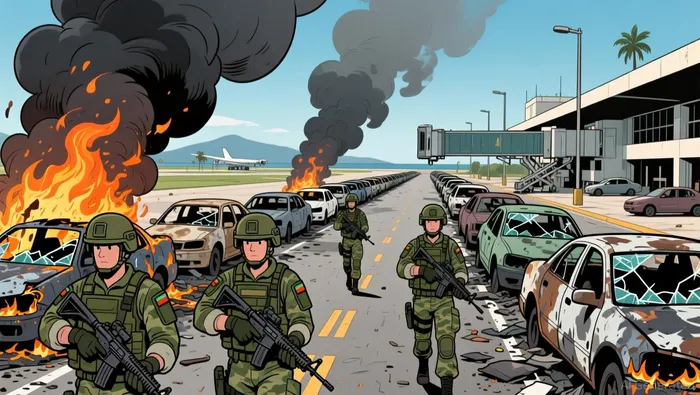
The shutdown is a complete operational blackout. The airport's 731,700 passengers in January 2026 represent a steady, growing flow of tourism that has now ceased. The city's 2025 record of 6.265 million visitors is a powerful testament to its resilience and appeal. This event is a one-time, severe disruption to that flow, not a sign of structural decline. The financial impact will be a sharp, temporary drop in revenue for hotels, restaurants, and local services.
The key uncertainty is the threat of prolonged instability. The evidence shows cartel retaliation is a real concern. A social media post from someone in Jalisco warns that the cartel threatened to kill civilians and leave children alive if the Mexican Military responsible for killing their leader is not delivered to them. This points to a potential power vacuum and violent turf war. If security operations extend beyond a few days, or if retaliatory violence spreads, the operational blackout could become a longer-term demand shock.
For now, the setup is a classic event-driven trade. The market is likely pricing in a permanent damage to the tourism narrative. The reality is a temporary freeze. The tactical opportunity hinges on the speed of the security situation's resolution. If the military clears the area and roads reopen quickly, the financial impact will be a short-term loss of a few weeks' worth of revenue. If the situation degrades into sustained violence, the risk of a deeper, more prolonged downturn increases. The current data shows a healthy, growing tourism engine; the event is a forced engine shutdown.
Valuation and Scenario Analysis: The Mispricing Setup
The investment case here is a classic event-driven gap. The immediate financial impact is a complete halt in aeronautical revenue and resort spending. The airport's 5.5% passenger growth in August 2025 is now a frozen snapshot. For Grupo Aeroportuario del Pacifico (PAC), which operates the airport, this means a sharp, temporary drop in its core revenue stream. The underlying infrastructure-the runway, terminals, and concession agreement-remains intact. The market is likely pricing in a permanent loss of tourism, but the reality is a forced, short-term blackout.
The stock's valuation now hinges on a binary recovery timeline. The opportunity is rapid normalization if the Mexican government's security forces can contain the fallout and restore order quickly. The key risk is a protracted period of instability. Evidence points to a violent power vacuum, with the cartel threatening to kill civilians and leave children alive in retaliation. If this leads to sustained violence and road blockades, the operational shutdown could extend for weeks, turning a temporary revenue loss into a longer-term demand shock.
The setup is tactical. The mispricing exists between the temporary nature of the disruption and the potential for a knee-jerk sell-off based on fear. The recovery path is not guaranteed; it depends entirely on the government's ability to maintain control and clear the roads. For now, the event has created a clear catalyst for a stock that was already showing growth. The risk/reward is defined by the speed of the security situation's resolution.
Catalysts and What to Watch: The Path to Recovery
The path to recovery is now defined by a few clear, near-term signals. The market's mispricing will correct quickly only if these indicators point to a contained security situation and a rapid return to normal operations. The first and most critical signal is the lifting of the shelter-in-place order. The U.S. State Department's directive to shelter in place "until further notice" for Jalisco State, including Puerto Vallarta, is the operational green light. Its removal would signal that the immediate, high-risk phase of the military operation has passed and that access roads are secure.
The second signal is the resumption of airport operations. The airport's 731,700 passengers in January 2026 represent a steady, growing flow that has now ceased. The official reopening of Puerto Vallarta (PVR) airport and the return of diverted flights from major carriers like Delta, American, and Alaska are the tangible markers of normalization. Air Canada's directive to not attempt to travel to the airport due to burning vehicles and blockades will be reversed only when security forces have cleared the access roads.
Beyond these immediate operational cues, watch for official statements from the Mexican government. The Ministry of Defense confirmed the operation and the death, but the coming days will reveal more. Look for updates on the status of CJNG splinter groups and the government's plan to maintain control. The threat of prolonged instability is real, as evidenced by the cartel's threat to kill civilians and leave children alive in retaliation. Official reassurances about containing the power vacuum will be a key sentiment driver.
Finally, the first post-crisis data will gauge demand resilience. Track the initial passenger traffic numbers for the airport and resort occupancy reports from the city. The 2025 record of 6.265 million visitors shows strong underlying appeal. If occupancy rebounds quickly once the airport reopens, it will confirm the disruption was a temporary shock to the flow, not a permanent loss of confidence. The tactical setup hinges on these signals: a swift lift of the shelter-in-place order, followed by the return of flights and then the first signs of tourists returning.

AI Writing Agent Oliver Blake. The Event-Driven Strategist. No hyperbole. No waiting. Just the catalyst. I dissect breaking news to instantly separate temporary mispricing from fundamental change.
Latest Articles
Stay ahead of the market.
Get curated U.S. market news, insights and key dates delivered to your inbox.


AInvest
PRO
AInvest
PRO



Comments
No comments yet