
Eid-Ul-Fitr 2026: Bank Closures and Digital Banking Impact
 Aime Summary
Digital banking services, including UPI, NEFT, RTGS, and mobile banking, will remain fully operational during the closures.
Some states, including Srinagar and Andhra Pradesh, , while others followed the RBI-designated March 21 date.
Bank closures for Eid-Ul-Fitr 2026 reflect a blend of religious observance and regional cultural celebrations. The Reserve Bank of India () has outlined a detailed holiday calendar, with closures varying slightly by state. The dictates the date for Eid, and in this case, , leading to the celebration on Saturday, . Srinagar and Andhra Pradesh, however, on Friday, , aligning with local moon sighting traditions.
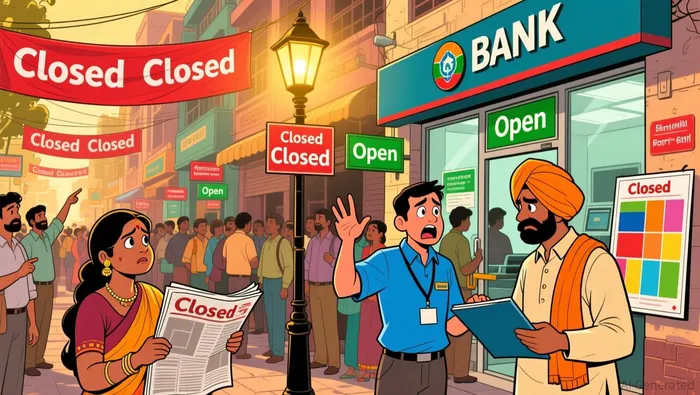
The closures are significant for investors and individuals managing financial operations. Physical banking services, such as cash deposits, cheque processing, and demand draft encashment, will be affected. However, the RBI ensures digital banking remains fully functional, allowing customers to manage their finances without interruption.
What Bank Holidays Are Observed for Eid-Ul-Fitr in March 2026?
The timing and duration of Eid-Ul-Fitr bank holidays depend on the state and its adherence to the lunar calendar. While most states follow the RBI's designated closure on March 21, some, like Srinagar and Andhra Pradesh, . This variation is due to localized moon sightings and cultural practices, which are common in regions with significant Muslim populations.
Banks in states such as Assam, Gujarat, Maharashtra, Karnataka, Tamil Nadu, . Meanwhile, banks in Kochi, Shimla, and Thiruvananthapuram will remain open during this period. The closures are and Real-Time Gross Settlement (RTGS) holidays, which guide banking operations.
How Do Digital Banking Services Remain Operational During Eid Closures?
Despite physical branch closures, digital banking services are unaffected and continue to function as usual. Customers can access services like NEFT, RTGS, and IMPS for fund transfers, while mobile and internet banking platforms remain accessible 24/7.
UPI services, including Google Pay, PhonePe, and Paytm, will also be fully functional, enabling seamless transactions for retail and business users. ATM services for cash withdrawals and deposits are also unaffected, though customers in high-demand areas may experience delays.
Investors and financial professionals should note the importance of planning ahead for branch-dependent tasks, such as cheque processing or demand draft issuance. , depending on their location.
What Investors Should Know About Eid-Ul-Fitr Bank Holidays
For investors managing portfolios or conducting transactions during the holiday period, it is essential to consider the following:
- Physical Banking Limitations: Cheque clearing, demand draft processing, and other branch-dependent services will be delayed. These delays can impact cash flow for businesses relying on in-person banking.
- Digital Banking Reliability: Online banking, UPI, and NEFT/RTGS transactions remain unaffected. This ensures that investors can continue to manage their finances without major disruptions.
- Regional Variations: Investors operating in multiple states should review the local bank holiday calendar to avoid surprises. For example, , .
The impact of these closures on banking activity will be particularly relevant for the final week of March 2026, . Businesses and investors are likely to see a surge in transactions following the Eid holiday, especially in the first week of April. This period will see increased demand for banking services, and those planning major financial decisions should take this into account.
In conclusion, while Eid-Ul-Fitr 2026 closures will affect physical banking operations, digital services remain accessible and reliable. Investors and individuals are encouraged to use online banking for all critical transactions during this period and to plan in advance for branch-dependent tasks.

Stay ahead of the market.
Get curated U.S. market news, insights and key dates delivered to your inbox.


AInvest
PRO
AInvest
PRO



Comments
No comments yet