
U.S. EIA Heating Oil Stockpiles Drop Sharply Below Expectations: Strategic Implications for Energy and Consumer Staples Investors
 Aime Summary
The U.S. Energy Information Administration (EIA) reported a seismic shift in the energy market during the week ending August 15, 2025, as heating oil stockpiles plummeted by 6.014 million barrels—far exceeding market expectations. This unprecedented drawdown, the largest in recent memory, triggered a 3% surge in heating oil prices, signaling a tightening supply-demand balance. The move was driven by unseasonal demand, constrained refinery operations, and robust global distillate exports, which reached 4.5 million barrels per day in June 2025. For investors, this data represents more than a weekly anomaly; it underscores a structural realignment in energy markets and offers asymmetric opportunities across sectors.
Energy Sector: Refiners and Midstream Operators Thrive
The sharp decline in heating oil inventories has amplified refining margins and infrastructure utilization, creating a tailwind for energy refiners and midstream operators. Companies like Valero (VLO) and Phillips 66 (PSX) have seen year-to-date refining margin expansions of over 22%, while midstream players such as Enterprise Products Partners (EPD) and Magellan Midstream Partners (MMP) have benefited from increased throughput at export terminals.
Energy equipment and services ETFs, including the VanEck Oil Services ETF (OIH) and Invesco Energy Equipment & Services ETF (IEZ), have outperformed the Consumer Staples Select Sector SPDR (XLP) by 3.2% in the weeks following the EIA report. This outperformance reflects the sector's ability to monetize infrastructure and commodity price volatility amid geopolitical tensions and inflationary pressures.
Consumer Staples: A Sector Under Pressure
Conversely, the Consumer Staples sector faces mounting headwinds. Historical data shows a 1.5% decline in sector revenue for every 10% rise in heating oil prices. As households reallocate budgets toward essential energy costs, discretionary spending on goods like packaged foods and household products declines. This dynamic has pressured companies such as Procter & Gamble (PG) and Unilever (UL), which rely on stable consumer demand.
While brand loyalty and cost-pass-through mechanisms have cushioned some of the blow, low-margin retailers and food producers remain vulnerable. Rising transportation and energy costs further erode profit margins, making the sector a defensive play at best.
Strategic Positioning for Investors
The EIA's August 2025 report highlights the importance of aligning portfolios with macroeconomic trends. For energy investors, the current environment offers a compelling case to overweight energy equipment and services ETFs (OIH, IEZ) and individual refiners (VLO, PSX). These positions capitalize on high refining margins, export-driven demand, and infrastructure utilization.
For Consumer Staples investors, hedging strategies such as short-term options or futures contracts can mitigate exposure to energy price shocks. Defensive plays like PG and UL may provide some insulation, but the sector's long-term outlook remains challenging due to persistent inflationary pressures.
Conclusion: A Clear Roadmap for Asymmetric Opportunities
The EIA's August 2025 heating oil stockpiles report is a barometer of broader energy market dynamics. As the U.S. heating season approaches and global distillate markets remain tight, the Energy Equipment/Services sector is poised for continued outperformance. Investors who recognize this asymmetric opportunity can position their portfolios to benefit from the energy sector's momentum while protecting against vulnerabilities in the Consumer Staples sector.
In a market defined by volatility and shifting fundamentals, data-driven strategic positioning is not just prudent—it is essential. The current data provides a clear roadmap for those willing to act decisively in response to these macroeconomic forces.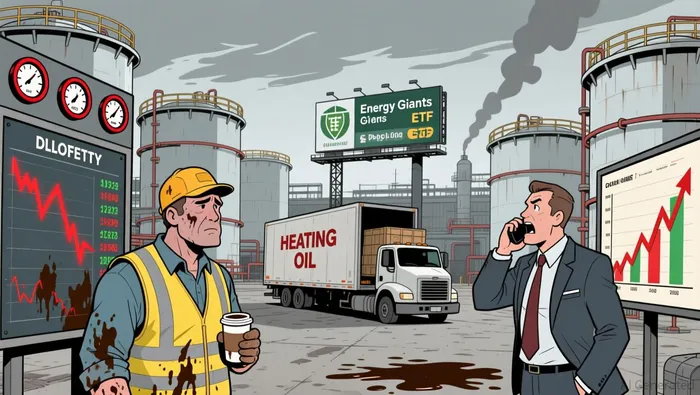

Sumérjase en el mundo de las finanzas mundiales con Epic Events Finance.
Latest Articles
Stay ahead of the market.
Get curated U.S. market news, insights and key dates delivered to your inbox.
AInvest
PRO
AInvest
PRO



Comments
No comments yet