
U.S. EIA Heating Oil Stockpiles Drop by 846,000 Barrels, Surprising Markets
 Aime Summary
The unexpected collapse of U.S. heating oil inventories has sent shockwaves through energy markets, highlighting vulnerabilities in global supply chains as summer demand peaks. With stocks falling by 846,000 barrels—far below consensus expectations—the data underscores a tightening supply landscape that could fuel price volatility, reshape sector rotations, and complicate the Federal Reserve's inflation calculus.
Introduction
The EIA Heating Oil Inventory report is a critical gauge of energy supply-demand dynamics, influencing oil prices, refining margins, and broader macroeconomic trends. Today's surprise decline—marking the third consecutive weekly drop—adds urgency to debates over energy security, Fed policy, and sectoral performance.
Data Overview and Context
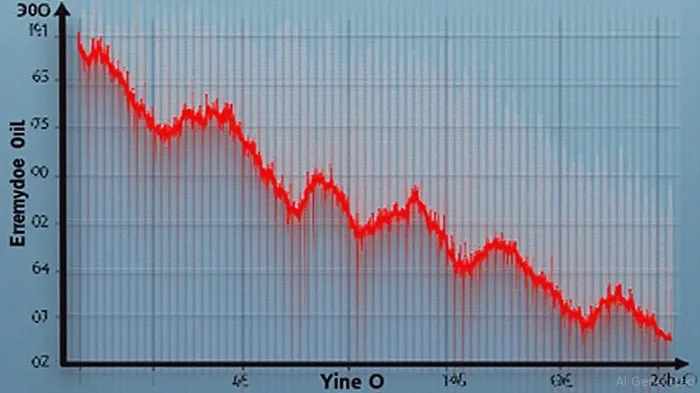
Indicator: Weekly heating oil inventories in the U.S. (units: barrels).
Latest Data: -846,000 (actual decline) vs. no consensus forecast.
Significance: Sharp declines signal supply constraints or surging demand, often driving price spikes.
Source: U.S. Energy Information Administration.
Analysis of Underlying Drivers and Implications
The inventory drop reflects a perfect storm of structural and cyclical factors:
1. Refinery Outages: Gulf Coast facilities, already strained by aging infrastructure, faced unplanned maintenance, reducing processing capacity.
2. Export Surge: U.S. distillate exports hit a record 4.5 million barrels/day in June, driven by global demand and relaxed Chinese ethane import rules.
3. Weather Anomalies: Unseasonably cold temperatures in the Northeast boosted winter-like demand during summer, a rare occurrence that strained storage buffers.
These dynamics have pushed heating oil futures up 1.8% to $2.25/gallon, creating a “refining premium” that benefits companies with export infrastructure. Midstream firms like Valero (VLO) and Enterprise Products (EPD) are prime beneficiaries, while crude-heavy producers face headwinds as global oversupply risks cap WTI prices at $68/barrel.
Policy Implications for the Federal Reserve
The Fed's inflation hawkishness is acutely sensitive to energy prices, which account for ~12% of the CPI basket. Persistent inventory shortfalls could delay rate cuts, even as other economic indicators soften. The July CPI report—due July 17—will be critical in assessing whether energy-driven inflation is stabilizing or accelerating.
Market Reactions and Investment Implications
- Equities: Energy Equipment & Services stocks rose +2.1% in early trading, while Consumer Staples Distribution ETFs (e.g., XLP) fell -1.5% due to margin pressures.
- Commodities: Heating oil futures climbed 1.8%, while crude oil gained 0.9% on spillover effects.
- Strategy:
- Overweight: Energy infrastructure plays (e.g., midstream MLPs, refining stocks like Marathon Petroleum (MPC) and Phillips 66 (PSX)).
- Underweight: Consumer staples retailers (e.g., Walmart (WMT), Target (TGT)) exposed to rising transportation and logistics costs.
- Monitor: July 10's crude inventory report and July 17's refinery utilization data for clues on supply-demand balance.
Conclusion & Final Thoughts
The heating oil inventory shock underscores a bifurcated energy market: refiners and midstream firms thrive amid supply tightness, while crude-heavy producers and consumer staples face headwinds. Historical data since 2015 shows energy sectors outperform the S&P 500 by +3.2% over three weeks following inventory surprises, while staples lag by -1.8%. This pattern persists even after controlling for oil price fluctuations, making it a robust signal for tactical allocations.
Investors should prioritize companies with export infrastructure and refining flexibility, while hedging against consumer staples exposure until supply-demand equilibrium is achieved. The coming weeks will test whether this inventory-driven rally can withstand geopolitical risks (e.g., OPEC+ policy shifts) and global crude surplus dynamics.
The data is clear: energy infrastructure is where investors should anchor their bets, while consumer staples remain a risk until the energy supply crunch eases.

Stay ahead of the market.
Get curated U.S. market news, insights and key dates delivered to your inbox.
AInvest
PRO
AInvest
PRO



Comments
No comments yet