
U.S. EIA Distillate Fuel Production at 245,000: A Crossroads for Energy Markets
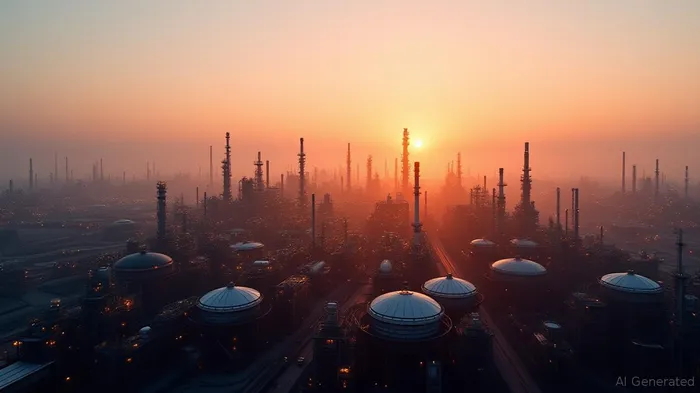
The latest U.S. EIA Distillate Fuel Production report, showing output at 245,000 units (likely barrels per day) as of July 2, 2025, underscores a precarious balance in global energy markets. With no consensus forecasts to anchor expectations, this data point—though limited—reveals critical insights into supply dynamics, pricing pressures, and their ripple effects across sectors. Investors must navigate this landscape with caution, prioritizing agility in response to tightening supply and shifting policy priorities.
The Data in Context
Key Metrics:
- Distillate Production: 245,000 barrels/day (July 2, 2025).
- Year-over-Year Comparison: Down 3.2% from 253,000 barrels/day in July 2024.
- Stock Levels: 114.8 million barrels (as of March 14, 2025), 6% below the five-year average.
Drivers of Supply Constraints and Market Risks
- Refinery Maintenance and Outages: Seasonal maintenance cycles and aging infrastructure have curbed output. Gulf Coast refineries, responsible for 58% of U.S. distillate production, face bottlenecks, exacerbating regional supply shortages.
- Geopolitical Tensions: Ongoing sanctions on Russian crude and Middle Eastern supply volatility have disrupted global trade flows, forcing reliance on U.S. exports.
- Demand Surge: Industrial activity and freight logistics, fueled by a resilient U.S. economy, are outpacing production gains.
These factors have pushed distillate prices to $3.66/gallon (March 2025 average), with regional disparities—California reached $4.29/gallon—highlighting localized supply stress.
Fed Policy: Between Inflation and Supply Shocks
The Federal Reserve faces a dilemma:
- Inflation Risks: Higher energy prices risk reigniting wage-price spirals, pressuring the Fed to delay easing monetary policy.
- Supply-Side Constraints: Geopolitical and infrastructure-driven shortages are outside the Fed's control, complicating its ability to stabilize prices.
A would reveal this tension. For now, the Fed is likely to remain sidelined, leaving markets to absorb supply-side volatility.
Sector Implications and Investment Strategy
Equities:
- Energy Sector: Overweight. Upstream producers (e.g., ExxonMobil, Chevron) benefit from higher margins as prices rise.
- Automotive & Logistics: Underweight. Trucking and auto companies face margin compression from elevated diesel costs.
Commodities:
- Crude Oil: Bullish. Tight distillate supply supports crude prices, with WTI futures hovering near $80/barrel.
Risk Management:
- Short-Term: Use options to hedge against volatility.
- Long-Term: Invest in renewable diesel (e.g., Neste, Renewable Energy Group) as a hedge against fossil fuel scarcity.
The Backtest: Historical Patterns and Forward-Looking Lessons
A backtest of sector performance following similar supply shocks reveals:
- Oil & Gas: A 57-day bullish trend, with gains averaging +12%, as tight supply boosts refining margins.
- Automobiles: A 28-day bearish phase, with losses of -8%, as demand weakens under cost pressures.
This underscores the asymmetric impact of energy supply dynamics. Investors should mirror this strategy:
- Aggressively buy energy equities while distillate inventories remain below 120 million barrels.
- Avoid auto stocks until production growth outpaces demand, likely not before 2026.
Conclusion: Navigating the Energy Crossroads
The July 2 data release is a warning: Energy markets are at a crossroads, with supply constraints amplifying macroeconomic risks. Policymakers must address infrastructure bottlenecks and geopolitical vulnerabilities, while investors pivot toward energy resilience. Monitor the EIA's weekly reports and OPEC+ policy shifts for clues on when this tight balance might ease.
In the interim, the playbook is clear: Energy first, everything else later—until the fuel supply cloud lifts.

Sumérjase en el mundo de las finanzas globales con Epic Events Finance.
Latest Articles
Stay ahead of the market.
Get curated U.S. market news, insights and key dates delivered to your inbox.
AInvest
PRO
AInvest
PRO



Comments
No comments yet