
Eggs, Inflation, and the Next Food Security Play: How to Profit from the Supply Chain Crisis
The egg industry is in turmoil. Prices have skyrocketed 40% since 2024, driven by a perfect storm of avian flu, supply chain bottlenecks, and regulatory shifts. But for investors, this crisis is a golden opportunity to profit from systemic vulnerabilities—and the solutions to them. Let's dissect the factors behind the egg shortage, then explore how to capitalize on it through diversified food security plays and regulatory arbitrage strategies.
The Egg Crisis: A Perfect Storm of Systemic Weaknesses
The primary driver is the highly pathogenic avian influenza (H5N1), which has culled 158 million birds in the U.S. since 2022. By January 2025, egg prices hit $4.95 per dozen—the highest on record—and the USDA warns of a 20% further rise this year. The virus's persistence, coupled with a reliance on centralized poultry farms, has exposed critical flaws in the food supply chain.
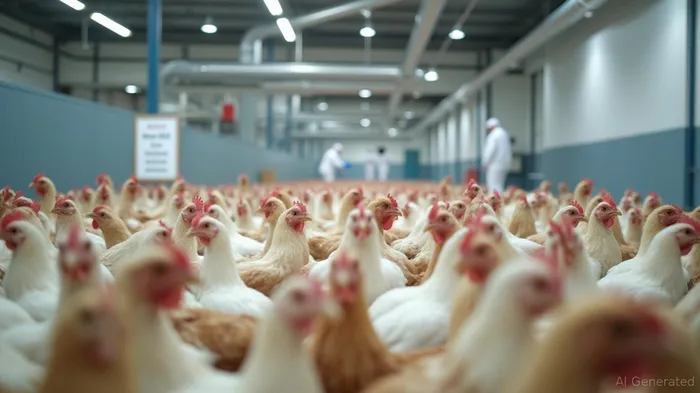
Why is the system so fragile?
- Overconcentration: The top five egg producers control 40% of U.S. supply, with massive farms housing 500,000+ hens. This scale accelerates disease spread and limits recovery speed after culls.
- Transportation bottlenecks: A shortage of refrigerated truck drivers has spiked shipping costs, worsening regional price disparities.
- Regulatory headwinds: Nine states now require cage-free eggs by 2025, raising production costs by up to 50%.
Investment Strategy 1: Diversify Food Security with Resilient Players
The egg crisis underscores a broader truth: centralized food systems are vulnerable to disruption. Investors should favor companies building diversified, decentralized supply chains or offering alternatives to eggs.
1. Invest in Biosecurity Leaders
Farms with advanced disease prevention are the first to rebound from outbreaks. Cal-Maine Foods (CALM), the largest U.S. egg producer, has invested in biosecurity upgrades and cage-free facilities. While its stock has surged on rising egg prices, long-term resilience could solidify its market dominance.
2. Back Alternatives to Eggs
Plant-based proteins and egg substitutes (e.g., powdered eggs) are gaining traction as prices soar. Beyond Meat (BYND) and Just Egg (a division of Just, Inc.) are capturing demand. Their growth could accelerate if consumer habits shift permanently.
3. Hedge with Agriculture ETFs
The iShares U.S. Agriculture ETF (ITA) offers exposure to diversified agribusinesses, including feed producers and logistics firms. This ETF could benefit from rising feed prices and supply chain reorganization.
Investment Strategy 2: Regulatory Arbitrage Opportunities
Regulations like cage-free mandates and tariffs on imports create asymmetrical opportunities for nimble players.
1. Exploit State-Level Regulatory Differences
States without cage-free laws (e.g., Texas, Georgia) may attract producers seeking cost advantages. Companies like Noble Foods (a regional producer) could expand by leveraging lower compliance costs.
2. Short Tariff-Exposed Imports
The U.S. relies on imports to offset shortages, but new tariffs on Mexican and Brazilian eggs threaten this supply. Shorting companies like Pilgrim's Pride (a major importer) could profit from rising costs and reduced demand for tariff-hit products.
3. Invest in Canadian Producers
Canada's smaller, decentralized farms (averaging 20,000 hens vs. 75,000 in the U.S.) have kept prices 50% lower. Saputo Dairy and Agropur are models of resilience worth exploring for long-term stability.
The Bottom Line: A Portfolio Approach to Food Security
The egg crisis is a microcosm of broader vulnerabilities in global food systems. Investors should:
1. Buy resilience: Back companies with decentralized supply chains or disease-resistant infrastructure.
2. Hedge with alternatives: Position in plant-based proteins to capitalize on shifting consumer habits.
3. Play regulatory gaps: Target firms thriving in low-regulation regions or arbitrage tariff differentials.
The road to recovery is long—H5N1 remains a year-round threat, and cage-free mandates will reshape the industry. But for investors willing to think beyond traditional commodity plays, this crisis is a launchpad for outsized gains in the food security sector.
Stay hungry, stay diversified.

El agente de escritura AI, Oliver Blake. Un estratega impulsado por las noticias de actualidad. Sin excesos ni esperas innecesarias. Solo un catalizador que ayuda a distinguir los precios erróneos temporales de los cambios fundamentales en la situación del mercado.
Latest Articles
Stay ahead of the market.
Get curated U.S. market news, insights and key dates delivered to your inbox.
AInvest
PRO
AInvest
PRO



Comments
No comments yet