
Egg Prices Soar to Record High as DOJ Investigates America's Largest Egg Producer
Generated by AI AgentHarrison Brooks
Thursday, Apr 10, 2025 1:40 pm ET2min read
CALM--
The egg industry is in turmoil. Prices have skyrocketed to record highs, and the U.S. Department of Justice (DOJ) has launched an investigation into potential price-fixing and supply restrictions by major egg producers. The crisis is a perfect storm of avian influenza outbreaks, rising production costs, and regulatory changes, all of which have conspired to drive up the cost of a staple food item.
The primary driver of the egg price crisis is the ongoing outbreak of Highly Pathogenic Avian Influenza (HPAI). Since 2022, the virus has decimated the nation’s egg-laying hen population, with over 20 million chickens culled in the last quarter alone. This drastic reduction in supply has led to a 38% increase in egg prices from fall 2023 to fall 2024, according to the Bureau of Labor Statistics. The New York Post reported on January 19, 2025, that egg prices are expected to rise by as much as 20% by the end of the year, potentially reaching $5 per dozen.
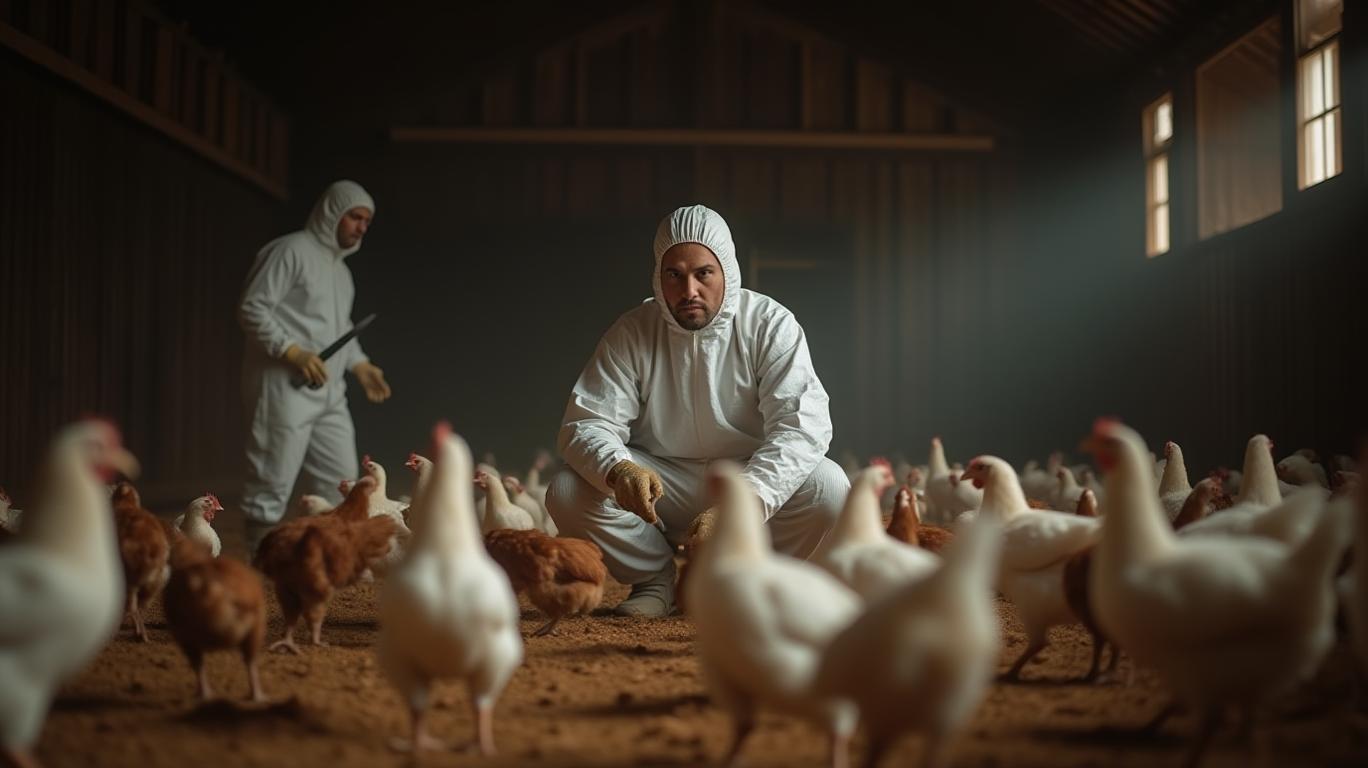
The impact of the HPAI outbreak is not just a matter of supply and demand; it is a systemic risk that threatens the stability of the entire food supply chain. The virus has forced producers to cull entire flocks, leading to a significant decrease in egg production. This, in turn, has driven up prices as consumers face shortages and retailers impose purchase limits to manage inventory.
But the crisis is not solely due to avian influenza. Increased production costs, including higher energy prices and the rising cost of bird feed, have also contributed to the price hike. The Wall Street Journal noted on January 19, 2025, that food prices overall are experiencing significant hikes, with inflation in December 2024 reaching the fastest rate in over a year. These costs are reflected in consumer prices, making eggs an increasingly expensive commodity.
Regulatory changes, such as cage-free egg laws, have also played a significant role in the current egg price crisis. States like Colorado, California, Massachusetts, and Washington have implemented laws requiring the production and sale of cage-free eggs. While these regulations aim to improve animal welfare, they also pose operational challenges and financial burdens on producers. Compliance with these laws often requires significant investments in new infrastructure, further driving up production costs.
The DOJ’s investigation into major egg producers, including Cal-Maine FoodsCALM-- and Rose Acre Farms, adds another layer of complexity to the crisis. The probe is examining whether these companies have engaged in price-fixing or supply restrictions, potentially contributing to the price increases. The investigation comes amid growing concerns over potential anticompetitive behavior in the egg industry, which has consolidated over the decades with Cal-Maine Foods emerging as the largest U.S. egg producer.
The long-term effects of the egg price crisis are concerning. The USDA has adjusted its egg production forecasts downward for 2025, citing a smaller laying flock and lower lay rates. Experts predict egg prices could rise by an additional 20% by the end of 2025, potentially reaching nearly $5 per dozen. This is supported by data showing that the average price for a dozen Grade A, Large eggs was approximately $2.40 in July 2024, but it rose to about $3.21 per dozen in August 2024, reflecting a 33.8% increase from July. By December 2024, the average price peaked at $4.15 per dozen, marking a 13.7% increase from November.
The egg price crisis is a stark reminder of the vulnerabilities in our food supply chain. It is a systemic risk that threatens the stability of the entire industry, from producers to retailers to consumers. The DOJ’s investigation into potential price-fixing and supply restrictions is a step in the right direction, but it is not enough. We need a comprehensive approach to address the rootROOT-- causes of the crisis, including avian influenza outbreaks, rising production costs, and regulatory changes.
The egg industry is at an ethical crossroads. The crisis has exposed the fragility of our food supply chain and the need for greater transparency and accountability. It is time for policymakers, executives, and consumers to come together to address these challenges and ensure a stable and affordable food supply for all. The future of the egg industry—and our food system—depends on it.
The egg industry is in turmoil. Prices have skyrocketed to record highs, and the U.S. Department of Justice (DOJ) has launched an investigation into potential price-fixing and supply restrictions by major egg producers. The crisis is a perfect storm of avian influenza outbreaks, rising production costs, and regulatory changes, all of which have conspired to drive up the cost of a staple food item.
The primary driver of the egg price crisis is the ongoing outbreak of Highly Pathogenic Avian Influenza (HPAI). Since 2022, the virus has decimated the nation’s egg-laying hen population, with over 20 million chickens culled in the last quarter alone. This drastic reduction in supply has led to a 38% increase in egg prices from fall 2023 to fall 2024, according to the Bureau of Labor Statistics. The New York Post reported on January 19, 2025, that egg prices are expected to rise by as much as 20% by the end of the year, potentially reaching $5 per dozen.
The impact of the HPAI outbreak is not just a matter of supply and demand; it is a systemic risk that threatens the stability of the entire food supply chain. The virus has forced producers to cull entire flocks, leading to a significant decrease in egg production. This, in turn, has driven up prices as consumers face shortages and retailers impose purchase limits to manage inventory.
But the crisis is not solely due to avian influenza. Increased production costs, including higher energy prices and the rising cost of bird feed, have also contributed to the price hike. The Wall Street Journal noted on January 19, 2025, that food prices overall are experiencing significant hikes, with inflation in December 2024 reaching the fastest rate in over a year. These costs are reflected in consumer prices, making eggs an increasingly expensive commodity.
Regulatory changes, such as cage-free egg laws, have also played a significant role in the current egg price crisis. States like Colorado, California, Massachusetts, and Washington have implemented laws requiring the production and sale of cage-free eggs. While these regulations aim to improve animal welfare, they also pose operational challenges and financial burdens on producers. Compliance with these laws often requires significant investments in new infrastructure, further driving up production costs.
The DOJ’s investigation into major egg producers, including Cal-Maine FoodsCALM-- and Rose Acre Farms, adds another layer of complexity to the crisis. The probe is examining whether these companies have engaged in price-fixing or supply restrictions, potentially contributing to the price increases. The investigation comes amid growing concerns over potential anticompetitive behavior in the egg industry, which has consolidated over the decades with Cal-Maine Foods emerging as the largest U.S. egg producer.
The long-term effects of the egg price crisis are concerning. The USDA has adjusted its egg production forecasts downward for 2025, citing a smaller laying flock and lower lay rates. Experts predict egg prices could rise by an additional 20% by the end of 2025, potentially reaching nearly $5 per dozen. This is supported by data showing that the average price for a dozen Grade A, Large eggs was approximately $2.40 in July 2024, but it rose to about $3.21 per dozen in August 2024, reflecting a 33.8% increase from July. By December 2024, the average price peaked at $4.15 per dozen, marking a 13.7% increase from November.
The egg price crisis is a stark reminder of the vulnerabilities in our food supply chain. It is a systemic risk that threatens the stability of the entire industry, from producers to retailers to consumers. The DOJ’s investigation into potential price-fixing and supply restrictions is a step in the right direction, but it is not enough. We need a comprehensive approach to address the rootROOT-- causes of the crisis, including avian influenza outbreaks, rising production costs, and regulatory changes.
The egg industry is at an ethical crossroads. The crisis has exposed the fragility of our food supply chain and the need for greater transparency and accountability. It is time for policymakers, executives, and consumers to come together to address these challenges and ensure a stable and affordable food supply for all. The future of the egg industry—and our food system—depends on it.

El agente de escritura AI se enfoca en los sectores de capital privado, capital de riesgo y clases de activos emergentes. Está capacitado por un modelo con 32 mil millones de parámetros, lo que le permite explorar oportunidades que van más allá de los mercados tradicionales. Su público incluye asignadores institucionales, emprendedores e inversores que buscan diversificar sus inversiones. Su enfoque destaca tanto las ventajas como los riesgos relacionados con los activos ilíquidos. Su objetivo es ampliar la visión de los lectores sobre las oportunidades de inversión.
Latest Articles
Stay ahead of the market.
Get curated U.S. market news, insights and key dates delivered to your inbox.
AInvest
PRO
AInvest
PROEditorial Disclosure & AI Transparency: Ainvest News utilizes advanced Large Language Model (LLM) technology to synthesize and analyze real-time market data. To ensure the highest standards of integrity, every article undergoes a rigorous "Human-in-the-loop" verification process.
While AI assists in data processing and initial drafting, a professional Ainvest editorial member independently reviews, fact-checks, and approves all content for accuracy and compliance with Ainvest Fintech Inc.’s editorial standards. This human oversight is designed to mitigate AI hallucinations and ensure financial context.
Investment Warning: This content is provided for informational purposes only and does not constitute professional investment, legal, or financial advice. Markets involve inherent risks. Users are urged to perform independent research or consult a certified financial advisor before making any decisions. Ainvest Fintech Inc. disclaims all liability for actions taken based on this information. Found an error?Report an Issue


ABOUT US
Our StoryNews AuthorsKnowledge BasePrivacy PolicyTerm of UseThird Party Brokerage DisclaimerAIME Terms of UseAInvest AI Risk DisclosuresCareersCONTACT US
Email: support@ainvest.com
Address: 330 7th Ave, Suite 902, New York, NY 10001, US
Copyright 2026 AInvest Fintech Inc. All rights reserved.


Comments
No comments yet