
EDGE Launches Token Burn and Buyback Strategy to Stabilize Tokenomics
 Aime Summary
- edgeX has launched a recurring token burn program, permanently destroying 2.52837 million EDGE tokens, with plans to continue the process every 24 hours.
- To address community concerns over airdrop fairness and token concentration, edgeX locked 14% of its total token supply in a one-year smart contract.
- The token has experienced extreme volatility, including a 46.6% price surge to an all-time high of $1.17, with concerns about speculative interest and market sustainability.
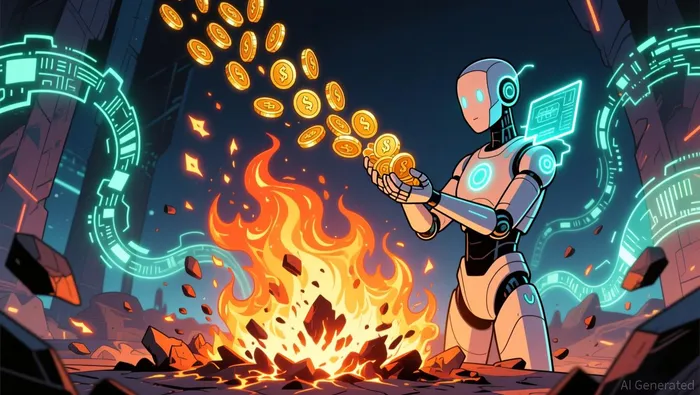
edgeX has initiated a recurring token burn program aimed at reducing the supply of its native $EDGE token to stabilize tokenomics and address community concerns. The platform has permanently burned 2.52837 million EDGE tokens obtained through buybacks and plans to continue this process every 24 hours. These actions are part of a broader effort to enhance transparency and reduce sell pressure by preventing token concentration and managing market expectations.
The token burn strategy is complemented by a smart contract lockup of 14% of the total token supply for one year, aiming to improve long-term investor confidence and rebuild trust following airdrop distribution controversies. This move was prompted by community backlash over allegations of unfair allocations to large wallets, with the tokens allocated as compensation to partners who provided critical initial liquidity according to reports.
The price of EdgeX has surged significantly, with a 46.6% increase to a new all-time high of $1.17. However, the volume-to-market cap ratio of 62.8% exceeds typical ranges for healthy rallies, raising concerns about sustainability. On-chain data indicates that 350 million of the 1 billion total tokens are currently in circulation, and the fully diluted valuation stands at $1.131 billion, nearly three times the current market cap according to data. This premium represents a significant overhang risk, as the eventual release of the remaining tokens could introduce substantial selling pressure.
What Drives EdgeX’s Token Burn and Lockup Initiatives?
The recurring token burn program is designed to create scarcity and potentially increase value for remaining token holders. By permanently destroying tokens obtained through buybacks, edgeX aims to reduce circulating supply and stabilize the token market. The platform also launched a buyback program funded by trading fee revenue, using audited smart contracts to repurchase tokens and improve market stability.
In response to community concerns over airdrop fairness, edgeX locked 14% of its total token supply in a one-year smart contract. This action followed criticism over disproportionate allocations to a small number of large wallets. The lockup was intended to demonstrate transparent governance and rebuild trust with the community. These initiatives reflect a broader trend in the DeFi space where token burns and lockups are used to maintain or increase token value by reducing supply and managing market expectations.
What Risks and Limitations Should Investors Consider?
Despite the positive intentions behind the token burn and lockup initiatives, investors should consider the risks associated with these strategies. The 14% token lockup and recurring burns may not be sufficient to counteract the potential sell pressure introduced by large token unlocks. For instance, a 30% supply unlock of Genesis and Pre-TGE allocations occurred on March 31, 2026, and an additional 25.5% will unlock on April 2, 2026. These events could lead to increased volatility if large holders coordinate selling.
Furthermore, the token’s market cap is significantly lower than its fully diluted valuation, which raises concerns about the long-term sustainability of the price action. The FDV-to-market cap ratio of 2.86x places EdgeX in high-risk territory, as historical data indicates that projects with ratios above 2.0 experience 40-60% corrections when major unlock events occur. Traders and investors should monitor key resistance levels and consider cautious investment strategies due to the token’s volatility and price swings.
How Does the Market Respond to EdgeX’s Initiatives?
The market has responded positively to edgeX’s token burn and lockup initiatives, with the token experiencing significant price surges. However, the unusual volume-to-market cap ratios and the high FDV-to-market cap ratio indicate that the price action may be driven by speculative interest rather than long-term value. The token’s trading volume on major exchanges like Bitget, HTX, and KuCoin has increased, contributing to its price volatility.
While the token burn and lockup initiatives aim to improve transparency and reduce sell pressure, the market’s response suggests that traders may be treating the token more as a speculative asset than a long-term investment. The current circulating supply of 350 million tokens, combined with the high trading volume, indicates that a significant portion of the holder base may consist of short-term speculators rather than long-term believers in the project’s fundamentals. Investors should remain cautious and monitor the token’s performance over the coming weeks and months to assess its long-term viability.
What Is the Broader Implication of EdgeX’s Initiatives for DeFi?
The token burn and lockup initiatives by edgeX reflect broader trends in the DeFi space, where projects are increasingly adopting supply management strategies to maintain or increase token value. These strategies include token burns, lockups, and buybacks, all of which aim to create scarcity and manage market expectations. The initiatives also highlight the importance of transparent governance in decentralized finance, as community trust is a critical factor in the success of DeFi projects.
The airdrop controversy and subsequent governance response demonstrate the challenges faced by DeFi projects in maintaining fairness and transparency. The lockup of 14% of the total token supply in a smart contract with transparency features was a decisive move to address community concerns and rebuild trust. These measures are part of edgeX’s broader effort to establish transparent governance while expanding its decentralized trading infrastructure.
Ultimately, the success of edgeX’s initiatives will depend on the continued adoption of its platform features and the growth of its network activity. The token’s long-term success will require a balance between market liquidity and supply reduction, as well as a commitment to transparent governance in the DeFi space.

Blending traditional trading wisdom with cutting-edge cryptocurrency insights.
Latest Articles
Stay ahead of the market.
Get curated U.S. market news, insights and key dates delivered to your inbox.


AInvest
PRO
AInvest
PRO



Comments
No comments yet