
EDGE Launches Token Burn and Buyback Strategy to Stabilize Tokenomics
 Aime Summary
edgeX has initiated a recurring token burn program, permanently destroying 2.52837 million EDGE tokens obtained through buybacks.
The platform also locked 140 million tokens (14% of total supply) in a smart contract for one year to address airdrop distribution concerns and reduce sell pressure.
Token burn events occur every 24 hours as part of a broader strategy to manage supply, reduce sell pressure, and stabilize the market.
edgeX has launched a token burn and buyback program to reduce the circulating supply of its native $EDGE token and stabilize its tokenomics. The initiative is part of the platform's broader strategy to address community concerns over token distribution practices and enhance transparency. The burn program is designed with daily limits and multi-signature requirements to ensure fairness and prevent manipulation.
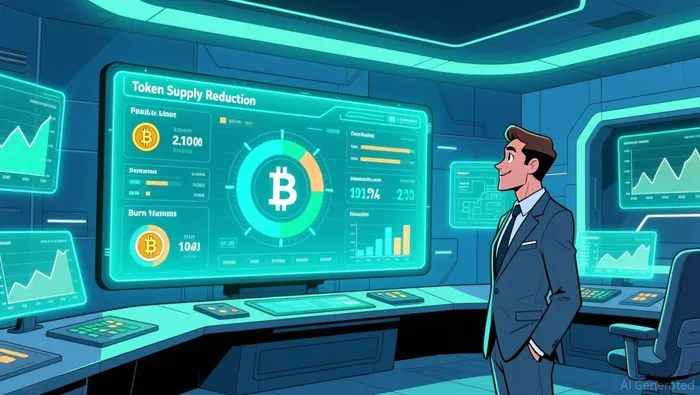
The burn involves tokens obtained through buybacks using trading fee revenue, with plans to continue this process every 24 hours. This recurring burn mechanism aims to reduce supply and potentially increase token value through scarcity, aligning with broader trends in token management within the DeFi space.
The platform also locked 14% of the total token supply in an audited smart contract for one year to address concerns about airdrop distribution and token concentration. This action is intended to improve long-term confidence in the platform.
What are the implications for market dynamics and investor confidence?
The token burn and lockup strategies are designed to influence supply and demand, manage market expectations, and stabilize the token value. These actions reflect edgeX's commitment to tokenomics management and transparency. Analysts suggest that these measures are likely to increase investor confidence by demonstrating the platform's long-term vision.
However, upcoming supply unlocks (30% on March 31, 2026, and 25.5% on April 2, 2026) pose volatility risks as large whale holdings enter the market. This could cause price instability and raise concerns about liquidity and demand.
What are the risks and limitations of this strategy?
While the token burn and buyback program aims to stabilize tokenomics, there are risks related to future token unlocks. The partially diluted supply structure, with only 35% of the total supply active, could create potential future selling pressure if the remaining 65% enters circulation without sufficient demand. This highlights the need for cautious strategies with tight stop-losses for investors.
Critics have also raised questions about the decentralized governance principles of the buyback program, suggesting that centralized controls might limit community input and transparency. The program's success will depend on its impact on price stability, token concentration, and overall community trust.
The high trading volumes and recent exchange listings have also raised concerns about wash trading and market manipulation. Analysts are monitoring the program's effectiveness in addressing these issues and maintaining a fair and transparent market.

Blending traditional trading wisdom with cutting-edge cryptocurrency insights.
Latest Articles
Stay ahead of the market.
Get curated U.S. market news, insights and key dates delivered to your inbox.


AInvest
PRO
AInvest
PRO



Comments
No comments yet