
Eddie Bauer Shuttering 200 Stores in Bankruptcy: Retailer Closing Strategy
 Aime Summary
- Eddie Bauer is preparing to file for Chapter 11 bankruptcy and will shutter approximately 200 North American retail stores.
- This filing will not impact its e-commerce, wholesale, and manufacturing operations, which are transitioning to a new licensee, Outdoor 5.
- Eddie Bauer has previously filed for bankruptcy in 2003 and 2009, and the current filing marks a strategic shift toward digital operations.
- The brand's physical presence in Japan remains unaffected by the Chapter 11 filing.
- Retail analysts highlight the ongoing shift in the retail industry toward e-commerce and away from traditional brick-and-mortar stores.
The latest Chapter 11 filing by Eddie Bauer marks a significant turning point in the brand's long history. While the shuttering of 200 North American stores is a dramatic move, the broader Catalyst Brands company and Eddie Bauer's e-commerce, wholesale, and manufacturing operations remain intact, transitioning to a new partner with expertise in the outdoor apparel sector. This filing reflects a broader trend in retail, where brands are adapting to digital-first strategies to remain competitive. For investors, the move raises questions about the future of legacy retail brands and the sustainability of physical store models in today's shifting marketplace.
Is Eddie Bauer's Chapter 11 Filing a Sign of Retail Decline?
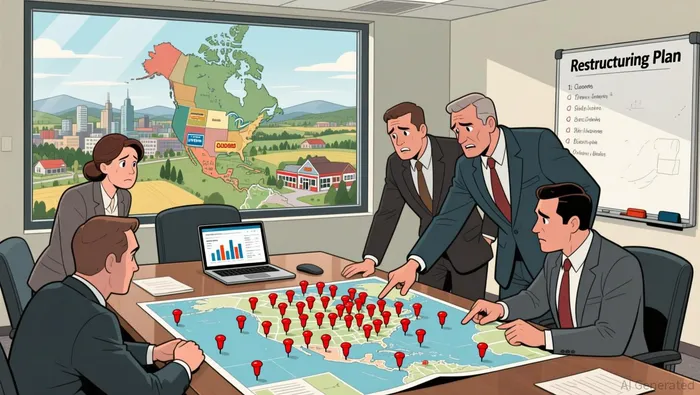
Eddie Bauer's decision to file for Chapter 11 bankruptcy is part of a broader shift in the retail landscape, where many traditional brands are struggling to keep pace with consumer demand for convenience and digital experiences. The company's move to shut down its North American stores while retaining its online presence is a strategic attempt to streamline operations and focus on what's working. This is not the first time Eddie Bauer has filed for bankruptcy; the brand has gone through similar restructurings in 2003 and 2009.
The key reason for the filing is the transition of key operations, including e-commerce and wholesale, to a new licensee, Outdoor 5. This shift is intended to strengthen Eddie Bauer's presence in the outdoor apparel market and allow it to compete more effectively in the digital space. However, the loss of 200 physical locations is a significant blow to the brand's footprint and may raise concerns for investors about the brand's long-term viability in a market where differentiation is key.
What Does Eddie Bauer's Bankruptcy Mean for Retailers and Investors?
For investors, Eddie Bauer's filing is another reminder of how quickly the retail landscape can shift. Many once-dominant brands have struggled to adapt to the rise of e-commerce and the changing expectations of modern consumers. The move to close stores while retaining e-commerce and manufacturing operations reflects a common strategy among retailers facing declining foot traffic. This is not unique to Eddie Bauer; in recent years, other iconic retailers like Sears, Kmart, and JCPenney have also filed for bankruptcy or closed their doors.
The broader implications for investors are that the retail industry is increasingly favoring brands that can scale efficiently in the digital space. Eddie Bauer's filing underscores the importance of agility, innovation, and customer experience in today's market. Retailers that fail to adapt risk being left behind, as demonstrated by the recent closures of other well-known names like Lord & Taylor and Stein Mart. While Eddie Bauer's brand may survive in the form of e-commerce and licensing, the physical store closures highlight the limitations of traditional retail models.
What to Watch Next for Eddie Bauer and the Retail Sector
The next few months will be critical for Eddie Bauer and its new partner, Outdoor 5. Investors will be watching closely to see how the transition of e-commerce and wholesale operations is handled and whether the brand can regain traction in the market. The success of Outdoor 5 in revitalizing Eddie Bauer will depend heavily on how well they can differentiate the brand and create a compelling customer experience online.
Additionally, the retail sector as a whole is at an inflection point. With more retailers shifting toward e-commerce and private-label partnerships, the traditional retail model is becoming increasingly obsolete. Eddie Bauer's filing is a case study in how even well-established brands must evolve to stay relevant. The broader market will likely continue to see more bankruptcies and restructurings as the retail industry adjusts to these changes.
For investors, the key takeaway is to remain attentive to how brands are adapting to the digital economy. Eddie Bauer's filing is not the end of the story—it's a signal of what's to come in the evolving retail landscape.

Stay ahead of the market.
Get curated U.S. market news, insights and key dates delivered to your inbox.






Comments
No comments yet