
Eddie Bauer Shuts 200 Stores in Chapter 11 Filing: Strategic Shift to E-Commerce and Licensing
 Aime Summary
Eddie Bauer is preparing to shut its 200 North American stores via a Chapter 11 filing by its operator, Catalyst Brands. The move will transition e-commerce, wholesale, and design operations to Outdoor 5, with no impact on the brand's Japan stores or intellectual property. The company has been restructuring its corporate and retail operations, including recent layoffs in Seattle and store closures nationwide.
In early February 2026, Eddie Bauer is preparing a major strategic shift that will see its 200 North American retail stores shutter via a Chapter 11 filing by Catalyst Brands, its store operator. This move is part of a broader transition of e-commerce, wholesale, and product development to Outdoor 5, a licensed brand development firm. The 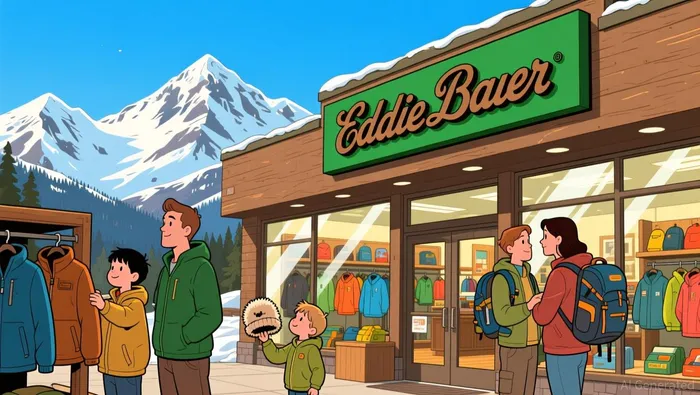 intellectual property remains under the control of Authentic Brands Group, and its physical presence in Japan remains unaffected.
Why Is Eddie Bauer Shutting Its Stores in a Chapter 11 Filing?
The decision to file for Chapter 11 bankruptcy is part of a broader strategy to restructure Eddie Bauer's retail presence and focus on digital and licensed operations. Catalyst Brands, the entity operating the stores, has been formed by major investors like Simon Property GroupSPG--, Brookfield Corp., and Authentic Brands Group. The company plans to transition its key operations—e-commerce, wholesale, and product development—to Outdoor 5, a firm with expertise in the outdoor space. The filing will not affect Catalyst's broader operations, such as its other licensed brands like Lucky Brand and JCPenney.
The Chapter 11 process is expected to allow for an orderly closure of the physical stores while protecting the brand's long-term viability. Eddie Bauer, founded in 1920, has a long legacy in the outdoor clothing and gear market. Its recent challenges reflect broader trends in the retail sector, where digital and e-commerce are taking center stage while traditional brick-and-mortar models face headwinds.
What Does Eddie Bauer's Store Closure Mean for Retail Investors?
Retail investors and observers are watching closely as the move signals a broader industry shift. Eddie Bauer's closure of its physical stores is consistent with trends seen among other major retailers, such as JCPenney and Aéropostale, which also faced significant store closures and rebranding efforts in recent years. For investors, the key takeaway is that the company is pivoting to a model that prioritizes digital sales and licensing partnerships over physical retail. This could reduce overhead costs and allow for a more scalable business model.
However, the move also raises questions about the brand's future in Seattle and other cities where it has a corporate presence. Eddie Bauer recently laid off its marketing and creative teams in Seattle, signaling a broader downsizing effort. These cuts reflect an ongoing restructuring and financial pressure that has affected the company's traditional retail operations.
What's Next for Eddie Bauer After the Chapter 11 Filing?
Eddie Bauer's future will largely depend on the success of its transition to digital and licensed operations. The partnership with Outdoor 5 is a key factor in that equation. Outdoor 5 brings expertise in the outdoor space, which could help the brand adapt to market trends and compete more effectively with rivals like The North Face and Patagonia. Meanwhile, Authentic Brands Group will retain control over the brand's intellectual property, ensuring that Eddie Bauer remains a recognized name in the outdoor industry.
For investors, the next steps to watch include the completion of the transition to Outdoor 5 and the timing of the Chapter 11 filing. The company has said the filing is expected to occur after the transition, which is set to begin on February 2. The broader implications of this restructuring—such as how it affects the brand's market share, customer loyalty, and profitability—will likely become clearer in the coming months as the new business model takes shape.
Retail investors should also be mindful of the broader implications of Eddie Bauer's strategic shift. The closure of physical stores and the move to digital reflect a trend seen across the retail sector, particularly among brands that have struggled with the rise of e-commerce and changing consumer habits. Eddie Bauer's ability to adapt to this new landscape will be key to its long-term sustainability.
What Are the Risks and Limitations of Eddie Bauer's Restructuring?
While the transition to digital and licensed operations may reduce costs and increase flexibility, it also carries risks. One potential limitation is the brand's ability to maintain its connection with its customer base as it moves away from physical retail. Stores have long served as a key touchpoint for brands in the outdoor industry, offering in-person experiences and customer service that digital channels may struggle to replicate.
Another risk is the uncertainty of the Chapter 11 process. While it can provide a framework for restructuring, it also adds complexity and regulatory oversight. Investors should monitor how the filing affects the company's balance sheet and its relationships with suppliers, vendors, and other stakeholders. Eddie Bauer's history includes a previous bankruptcy filing in 2009 under Spiegel Inc., so the company has prior experience with such processes, but the outcome is never guaranteed.
Despite these challenges, Eddie Bauer's restructuring represents a bold attempt to adapt to a changing retail landscape. For investors, the key will be to watch how the new business model performs and whether the brand can maintain its relevance in the outdoor apparel market.

Manténgase al tanto de las últimas noticias de Wall Street en tiempo real.
Latest Articles
Stay ahead of the market.
Get curated U.S. market news, insights and key dates delivered to your inbox.




Comments
No comments yet