
The New Economic Powerhouses: U.S. States Shaping Long-Term Growth Through Workforce Development
The U.S. labor market of 2025 is no longer defined by sheer employment numbers but by the quality of its workforce and the ecosystems that sustain it. States with robust education-career pipelines, talent retention strategies, and industry-specific advantages are emerging as magnets for investment. These regions are not just surviving economic shifts—they're leading them. Let's dissect which states are building the strongest foundations for long-term growth and where investors should look.
The Pillars of Labor Market Resilience
Three factors underpin a state's economic stability:
1. Education-to-Career Pipelines: Programs that align academic training with industry needs, reducing skills gaps.
2. Business-Friendly Policies: Tax structures, regulatory agility, and infrastructure investments that attract employers.
3. Sector-Specific Clusters: Geographies where industries like tech, healthcare, or manufacturing thrive due to talent density and innovation ecosystems.
States excelling in these areas are now top destinations for capital seeking stability and growth.
Tech and Innovation Hubs: Where Talent Meets Capital
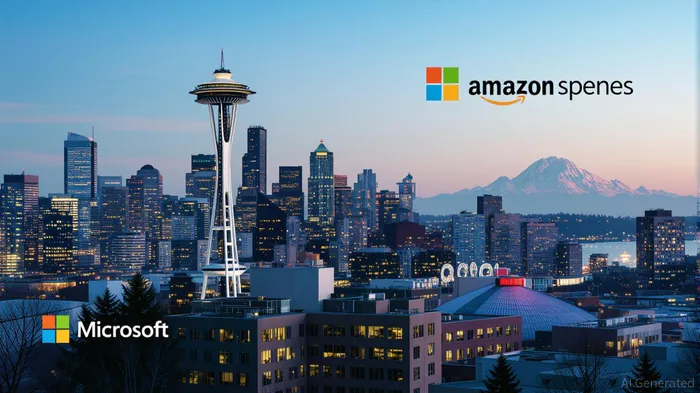
Washington: Seattle's tech corridor—anchored by AmazonAMZN--, MicrosoftMSFT--, and Boeing—boasts median tech salaries exceeding $135,000. The city's innovation ecosystem, bolstered by institutions like the University of Washington, ensures a steady pipeline of AI, cybersecurity, and cloud computing experts.
Investors should consider:
- Equities: Companies like Microsoft (MSFT) or Amazon (AMZN), which are expanding cloud and AI capabilities.
- Real Estate: Proximity to innovation hubs, such as suburban tech campuses in Redmond or Bothell, where housing costs are slightly lower than Seattle proper.
Massachusetts: Boston's $125,000+ median salaries in life sciences stem from its world-class institutions (Harvard, MIT) and firms like ModernaMRNA-- (MRNA) and BiogenBIIB--. The region's “knowledge economy” is further fueled by state-funded apprenticeships in biotech and cybersecurity.
Investment opportunities:
- Equities: Moderna (MRNA) or firms like Analog DevicesADI-- (ADI), which benefit from Boston's engineering talent.
- Real Estate: Mixed-use developments near R&D hubs, such as Kendall Square, to cater to remote-friendly hybrid work models.
Colorado: Denver's tech sector offers salaries of $90,000–$110,000 for software developers, with a cost-of-living advantage over coastal hubs. The state's flat income tax and outdoor lifestyle attract remote workers, creating a “quiet” talent boom.
Investors should target:
- Real Estate: Affordable office spaces in Denver's Tech Center or Boulder, paired with housing in suburban areas like Westminster.
Healthcare and Biotech: The Heartbeat of Growth
Texas: Houston's Texas Medical Center, the world's largest medical complex, drives healthtech and biomedical research. Median salaries here for roles like clinical data analysts hit $105,000–$130,000, attracting talent with Texas' no-income-tax advantage.
Investment angles:
- Equities: Healthtech startups in the Medical Center or established firms like HCA HealthcareHCA-- (HCA).
- Real Estate: Healthcare office spaces and lab facilities in Houston's Midtown.
Virginia: Northern Virginia's defense and cybersecurity sector, anchored by Amazon HQ2 and Booz Allen HamiltonBAH--, is a $105,000–$130,000 salary zone. The region's proximity to federal contracts and tech talent creates a unique hybrid of public and private sector demand.
Finance and Logistics: The Unsung Sectors
New Jersey: Proximity to NYC gives New Jersey a leg up in pharma (Merck, J&J) and finance. Median salaries in R&D roles hit $120,000, while suburban hubs like Princeton offer affordable living for NYC commuters.
Investments to watch:
- Equities: Pharmaceuticals like MerckMRK-- (MRK) or logistics firms like Expeditors (EXPD), leveraging New Jersey's port infrastructure.
- Real Estate: Mixed-use developments near major employers or transit lines like the NJ Transit Northeast Corridor.
North Carolina: The Research Triangle in Raleigh and Charlotte's fintech boom (Bank of America, Truist) make North Carolina a “sweet spot” for talent. With a 2.25% corporate tax rate and strong job readiness programs, it's ideal for relocating businesses.
The Smart Investor's Playbook
- Prioritize Education-Industry Synergy: States like Washington and Massachusetts invest in apprenticeships and STEM education, ensuring their workforces stay ahead of demand.
- Leverage Remote Work Trends: Invest in secondary cities (e.g., Salt Lake City, Denver) where talent is affordable and infrastructure is growing.
- Diversify by Sector: Pair tech-heavy states with healthcare or logistics plays to hedge against industry-specific downturns.
Conclusion: Building Resilience Through People
The states dominating 2025's economy are those that treat workforce development as a strategic asset. For investors, this means backing regions where talent is cultivated, retained, and leveraged across industries. Whether through equities in local champions or real estate near innovation hubs, the key is to align with ecosystems that are not just surviving but thriving—because in the end, economic resilience starts with human capital.

Stay ahead of the market.
Get curated U.S. market news, insights and key dates delivered to your inbox.




Comments
No comments yet