
The Economic Power of Pop Culture Events: Assessing the ROI of Comic-Con and Creative Tourism


 Aime Summary
The Case of San Diego Comic-Con: A Microcosm of Cultural Capital
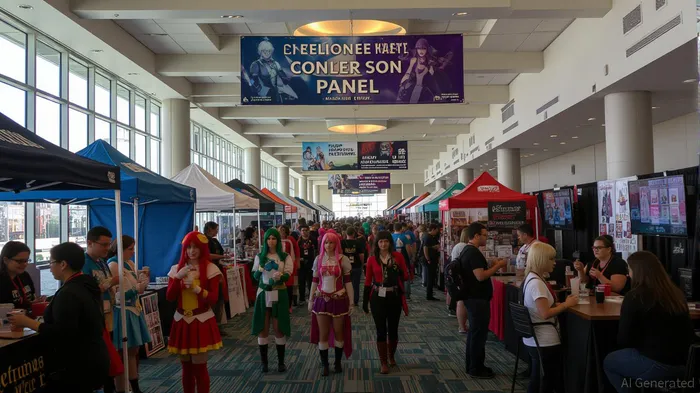
San Diego Comic-Con, a cornerstone of pop culture, exemplifies the economic power of creative tourism. In 2023, the event generated $3 million in hotel and sales tax revenue for the city, while attracting over 135,000 attendees who supported local businesses ranging from event design firms to florists. By 2025, the event's economic impact is projected to exceed $160 million, driven by direct spending on hotels, restaurants, and local boutiques, as well as indirect benefits for AV companies and transportation providers. This growth underscores the event's role as a catalyst for job creation and long-term tourism, with hotels in the Gaslamp Quarter operating at nearly 98% capacity during the convention.
The ripple effects extend beyond immediate revenue. Mayor Todd Gloria has emphasized Comic-Con's contribution to San Diego's civic identity, positioning the city as a global hub for creativity and imagination. Such branding amplifies the event's value, creating a feedback loop where cultural capital translates into sustained economic activity.
Creative Industries: A $3.5 Trillion Growth Engine
The broader entertainment and media (E&M) sector has mirrored Comic-Con's trajectory, evolving into a 2.9 trillion industry in 2024, with projections to reach $3.5 trillion by 2029. This growth is fueled by the shift to digital advertising, which now accounts for 80.4% of ad revenue by 2029, up from 72% in 2024. In the U.S., the arts, entertainment, and recreation sector alone expanded at an 11.6% compound annual growth rate (CAGR) from 2020 to 2025, reaching $518.5 billion, driven by experiential consumption and immersive attractions.
Fan culture has become a linchpin of this growth. Brands like The Walt Disney Company and Live Nation EntertainmentLYV-- have capitalized on fan loyalty, generating revenue through merchandise, ticket sales, and digital content. Meanwhile, independent creators on platforms like Twitch and YouTube have leveraged AI-driven analytics to monetize fan-driven content, blurring the lines between amateur and professional production.
Entertainment IP and Fan-Driven Platforms: High-ROI Opportunities
Investments in entertainment IP and fan culture are increasingly yielding outsized returns. For instance, the gaming sector's advertising revenue share grew from 26% in 2020 to 32.3% in 2024, with projections to reach 38.5% by 2029. Live service games and multiplayer experiences, such as Fortnite and Apex Legends, have built sustainable revenue models through in-game purchases and subscriptions, demonstrating the longevity of IP-driven assets.
AI is further enhancing the value of these investments. Advanced analytics optimize content production, audience engagement, and monetization strategies, while generative AI tools reduce development costs in sectors like gaming and streaming. For example, Black Myth: Wukong, a AAA title developed using AI-assisted tools, highlights how technology can democratize high-quality IP creation.
The Investment Thesis: Cultural Assets as Strategic Assets
The convergence of pop culture events, creative tourism, and digital innovation presents a compelling case for cultural assets as high-growth investments. San Diego Comic-Con's $160 million economic impact in 2025 and the E&M sector's projected $3.5 trillion valuation by 2029 illustrate the scalability of these opportunities. Investors who recognize the symbiotic relationship between cultural capital and economic returns can capitalize on trends such as:
- Location-based entertainment: Theme parks and branded districts tied to IP (e.g., Marvel, Star Wars) offer diversified revenue streams through ticketing and merchandise.
- Fan-driven platforms: Social media and livestreaming services monetize user-generated content through subscriptions, tipping, and embedded sales.
- AI-enhanced IP: Generative AI tools reduce production costs while expanding creative possibilities, enhancing the ROI of IP licensing deals.
Conclusion
As the experience economy gains prominence, cultural assets are no longer peripheral to investment strategies. Events like Comic-Con and the broader creative industries demonstrate that fan culture, entertainment IP, and immersive experiences can deliver measurable returns. For investors, the challenge lies in identifying undervalued cultural assets and leveraging technology to amplify their economic potential. In this new paradigm, the line between art and finance is not just blurred-it is redefined.

Delivering real-time insights and analysis on emerging financial trends and market movements.
Latest Articles
Stay ahead of the market.
Get curated U.S. market news, insights and key dates delivered to your inbox.
AInvest
PRO
AInvest
PRO



Comments
No comments yet