
The Economic Development Playbook: How Webster, NY is Positioning Itself for Real Estate and Industrial Growth


 Aime Summary
The FAST NY Grant: A Catalyst for Industrial Readiness
At the heart of Webster's transformation is the $9.8 million FAST NY grant, which targets the Northeast Area for Technology (NEAT) site-a former Xerox campus and brownfield property. This funding is allocated to critical infrastructure upgrades, including road reconstruction, sanitary sewer system enhancements, and electrical master planning. These improvements are not merely cosmetic; they are designed to create a "shovel-ready" site with 300 acres of developable land and over one million square feet of industrial space, positioning Webster as a magnet for advanced manufacturing and logistics firms.
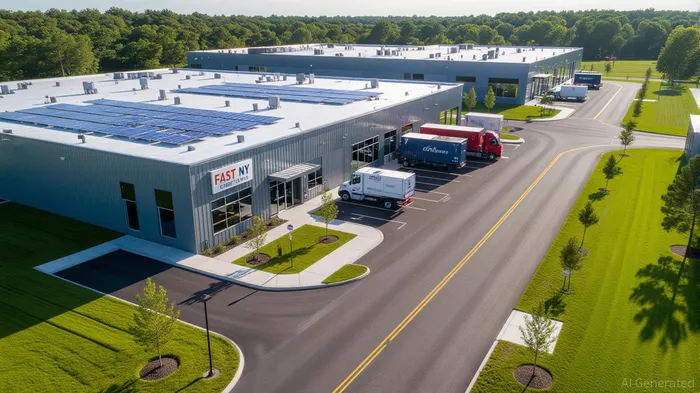
The economic impact of this initiative is already materializing. According to a report by Bitget, the town's industrial vacancy rates have plummeted to 2%, outpacing traditional manufacturing hubs, while median home prices have surged by 10.1% annually, driven by improved connectivity and state-backed revitalization projects. The NEAT site's transformation is also attracting niche industries such as food processing and semiconductor supply chains, which require robust infrastructure to operate efficiently.
Strategic Municipal Line Adjustments and Public-Private Partnerships
Webster's success is further amplified by its strategic municipal planning. The Reimagine Webster Master Plan has designated key areas as Brownfield Opportunity Areas, unlocking state funding for land remediation and development. This approach not only addresses environmental challenges but also aligns with New York State's broader goals to repurpose underutilized industrial sites.
Public-private partnerships have been instrumental in this effort. For instance, the $4.5 million NY Forward Program initiative is revitalizing the Village Central Business District with pedestrian-friendly infrastructure and commercial upgrades, fostering a mixed-use environment that appeals to both residents and businesses. Additionally, the town's collaboration with private developers is evident in the $650 million fairlife® production facility, a dairy processing plant under construction on the Xerox campus. This project alone is projected to generate 250 jobs and further solidify Webster's reputation as an industrial growth hub.
2026 Outlook: Infrastructure Equity and Regional Synergies
Looking ahead, Webster's 2026 budget emphasizes continued infrastructure investments, including modernizing the wastewater treatment plant and revitalizing the West Webster Hamlet. These projects are complemented by the town's 2027 Townwide Revaluation initiative, which aims to ensure equitable property assessments and maintain competitive tax rates for investors. Such measures are critical in sustaining Webster's momentum as a real estate and industrial hotspot.
The town's trajectory mirrors broader trends in Upstate New York. For example, Rochester is transitioning from a manufacturing-dependent economy to a diversified hub in healthcare, education, and technology, with median home prices significantly below the national average-offering strong equity opportunities for investors. Similarly, Buffalo's investments in clean energy and semiconductor manufacturing, supported by state and federal grants, are creating a parallel ecosystem for industrial growth. These regional hubs, like Webster, are leveraging infrastructure equity to attract high-growth sectors while balancing residential development.
Conclusion: A Blueprint for Sustainable Growth
Webster's economic development playbook underscores the power of municipal infrastructure and private-sector collaboration in driving long-term value. By prioritizing shovel-ready sites, brownfield remediation, and strategic partnerships, the town is not only revitalizing its industrial base but also enhancing residential real estate equity. For investors, the lessons from Webster-coupled with similar opportunities in Rochester, Buffalo, and other Upstate regions-highlight a clear path: infrastructure-driven growth, when aligned with market demand, can unlock substantial returns in 2026 and beyond.

Blending traditional trading wisdom with cutting-edge cryptocurrency insights.
Latest Articles
Stay ahead of the market.
Get curated U.S. market news, insights and key dates delivered to your inbox.
AInvest
PRO
AInvest
PRO



Comments
No comments yet