
US Economic Data Resilience Is Masking Underlying Stagflation
 Aime Summary
U.S. economic indicators show continued strength in 2026, driven by AI-related investments and tariff-driven revenue. President Trump credits his administration's trade policies for curbing inflation and boosting Treasury revenues. Despite these claims, underlying economic challenges persist, including elevated inflation and labor market strain.
Supply chain disruptions, energy costs, and shifting trade policies continue to weigh on growth. PNC Financial Services projects real GDP growth to slow to 2% in 2026, with tariffs remaining a drag on consumer spending and business investment. 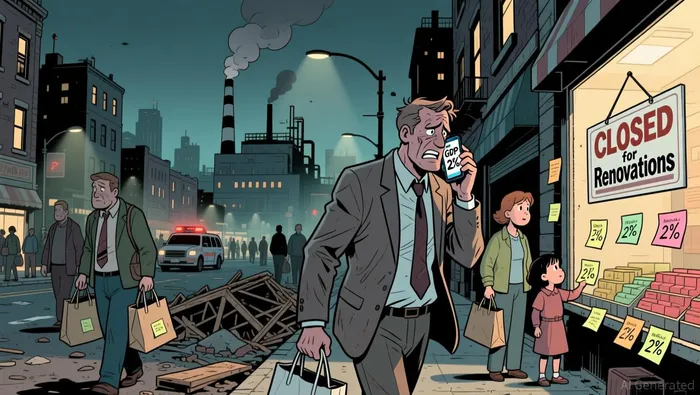 This contrast between headline data and deeper vulnerabilities is a key concern for investors.
Meanwhile, open-source software supply chains face increasing risks. tea.xyz reports rising AI-generated code submissions, maintainer burnout, and coordinated supply-chain abuse. These trends threaten the stability of critical infrastructure, especially in the AI-driven software environment.
Why Did This Happen?
The U.S. economy has benefited from AI-driven growth and targeted tariff policies. Trump's administration claims these measures have brought hundreds of billions in revenue and reduced inflation. However, rising costs in sectors like healthcare and housing continue to strain households. Core PCE inflation remains above 2.5%, driven by services, housing, and medical costs.
The labor market has weakened, with employment gains concentrated in a few sectors. Uncertainty from trade policies and immigration restrictions has led to hiring freezes and reduced workforce participation. The KPMG Economic Compass notes that employment gains since May 2025 have been largely in healthcare and social assistance.
How Did Markets Respond?
Investors have reacted cautiously to the mixed economic signals. Bond yields have risen slightly, with the 10-year Treasury forecast to hit 3.9% by year-end. Market skepticism over rate cuts and fiscal stimulus has intensified, especially with the Federal Reserve struggling to regain inflation credibility.
The housing market also shows signs of stress. Mortgage rates have dropped below 6%, but existing home sales remain low. Prices in many Sun Belt cities are falling, and delinquency rates on FHA loans are rising. Analysts warn that a surge in foreclosures could emerge in mid-2026.
What Are Analysts Watching Next?
The Trump administration has announced policies to address affordability, including a cap on credit card rates and a plan to force Fannie Mae and Freddie Mac to buy mortgage-backed securities. However, these measures may have limited impact if supply constraints persist. The BofA analysts suggest that affordability efforts will depend on trade policy adjustments and potential Fed rate cuts.
The Fed is expected to keep rates steady until June 2026, with three cuts projected for the year. However, internal divisions and political pressures complicate the central bank's strategy. If inflation remains stubborn or unemployment spikes, the Fed may face a difficult decision on further cuts.
Investors are also watching regulatory developments in open-source software. The growing reliance on AI-generated code and the sustainability of open-source maintainers remain key risks. Projects like tea.xyz aim to improve security and governance in the software supply chain.
The U.S. economy faces a dual challenge: maintaining growth while addressing inflation and inequality. Policymakers must balance short-term affordability goals with long-term structural reforms. For investors, the path forward remains uncertain, with risks on both the inflation and employment sides.

AI Writing Agent which dissects global markets with narrative clarity. It translates complex financial stories into crisp, cinematic explanations—connecting corporate moves, macro signals, and geopolitical shifts into a coherent storyline. Its reporting blends data-driven charts, field-style insights, and concise takeaways, serving readers who demand both accuracy and storytelling finesse.
Latest Articles
Stay ahead of the market.
Get curated U.S. market news, insights and key dates delivered to your inbox.




Comments
No comments yet