
The Economic Catalyst of Infrastructure Grants in Webster, NY


 Aime Summary
The FAST NY Grant and the Xerox Campus Reconfiguration
The FAST NY Shovel-Ready Grant Program, which allocates up to $400 million statewide, has positioned Webster as a focal point for industrial innovation. The $9.8 million awarded to the Xerox campus-a 300-acre brownfield site-is being used to upgrade critical infrastructure, including roads, sewer systems, and electrical networks according to the grant details. These improvements are projected to create over one million square feet of industrial space by 2025, aligning with Governor Kathy Hochul's vision of fostering sustainable economic expansion.
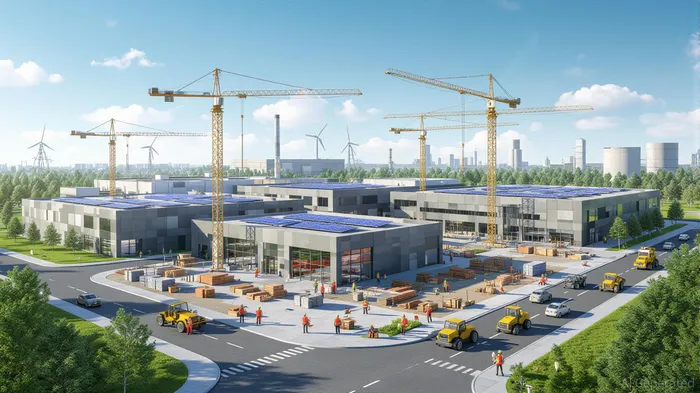 The Xerox campus redevelopment exemplifies how public funding can attract private investment. By modernizing the site, the grant has drawn interest from high-tech manufacturers and technology-based businesses, positioning Webster as a hub for advanced manufacturing. This aligns with broader state initiatives, such as energy efficiency assessments by NYSERDA, which further enhance the site's appeal. The project also reflects a "bluefield" model, integrating residential zones with industrial spaces to create mixed-use communities that balance economic growth with livability according to project analysis.
The 600 Ridge Road Case Study: From Blight to Revitalization
The 600 Ridge Road site, a key component of the West Webster Hamlet Revitalization Project, illustrates the transformative power of infrastructure grants. In August 2025, the town demolished a long-abandoned structure at this location, a blight on the neighborhood for over two decades. The site is now undergoing environmental testing, supported by a U.S. EPA brownfield assistance grant, to assess soil contamination before redevelopment.
This initiative is part of a $90,000 transportation planning effort aimed at creating a pedestrian-friendly environment with local amenities according to town planning documents. The 600 Ridge Road site's proximity to the Xerox campus-set to be fully upgraded by 2026-positions it as a strategic asset for mixed-use development, such as a coffee shop or essential services according to project updates. The synchronized timelines for infrastructure completion and site readiness (2025–2026) are creating a window for industrial and residential investment, with Webster's median home prices projected to rise by 10.1% annually.
Broader Implications for Upstate NY Industrial Investment
Webster's developments mirror broader trends in upstate New York's industrial real estate market. As of 2025, Western New York's industrial sector is characterized by a 2% vacancy rate-well below the national average of 4.8%-driven by high demand for warehouse and manufacturing spaces. However, challenges such as rising construction costs and cross-border traffic declines from Canada have introduced headwinds according to market analysis.
Despite these challenges, the region's strategic advantages-proximity to the U.S.-Canadian border, low-cost energy, and tax incentives-are attracting Canadian manufacturers seeking to avoid tariffs according to market reports. The FAST NY program's emphasis on utility improvements and environmental reviews has also reduced development timelines, making sites like Webster's Xerox campus more attractive to investors. For instance, the $650 million fairlife® production facility, which will create 250 jobs, underscores how public funding for site preparation can trigger significant private investment.
Conclusion: A Model for Future Development
Webster's experience demonstrates that infrastructure grants are not merely financial tools but catalysts for holistic economic transformation. By addressing brownfield remediation, enhancing transportation networks, and aligning with state sustainability goals, Webster is creating a blueprint for other municipalities. For investors, the synchronized timelines of infrastructure completion and site readiness in 2025–2026 present a unique opportunity to capitalize on upstate NY's industrial renaissance. As the region navigates macroeconomic pressures, Webster's strategic investments highlight the enduring value of public-private partnerships in driving long-term growth.

La combinación de la sabiduría tradicional en el comercio con las perspectivas más avanzadas sobre las criptomonedas.
Latest Articles
Stay ahead of the market.
Get curated U.S. market news, insights and key dates delivered to your inbox.




Comments
No comments yet