
Economic Blackout: Consumer Protests Cast Shadow on U.S. Spending and Growth Prospects
The Federal Reserve's preferred measure of inflation, the Personal Consumption Expenditures (PCE) price index, has come in line with expectations, providing some reassurance amidst a backdrop of steep tariffs under Trump’s administration. However, concerns linger as consumer spending, a key pillar of economic growth, shows signs of weakening.
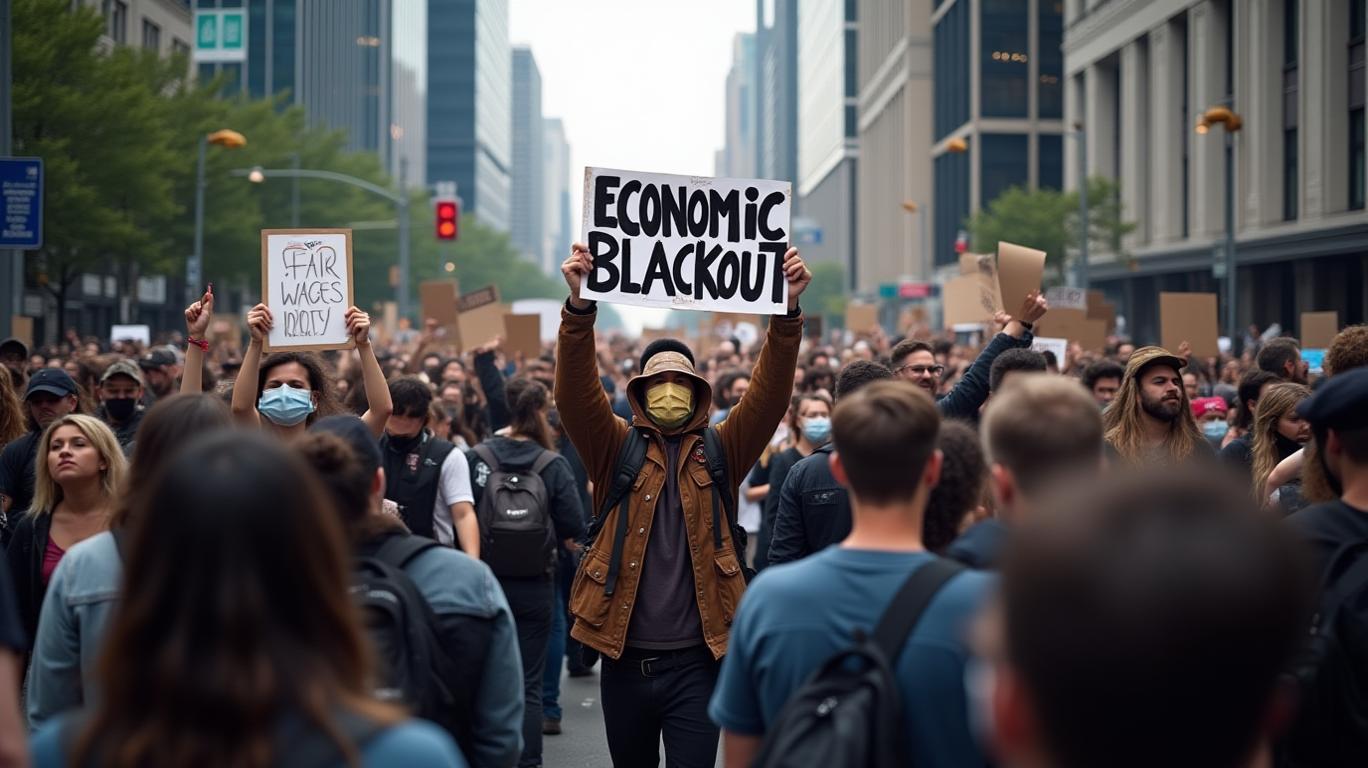
The concurrent decline in consumer expenditure, amid efforts such as the "economic blackout" protest, raises red flags regarding economic momentum. This movement, which calls for a 24-hour halt in consumer activity, highlights growing public discontent over persistently high prices and economic uncertainties.
Discontent over inflation has led many consumers to participate in protests, further exacerbating fears over the U.S. economic outlook. The "economic blackout" effort mirrors widespread unease as consumer sentiment continues to dwindle, showing a collective worry over lasting high prices.
While consumer spending accounts for approximately 70% of the GDP, its recent downturn, evidenced by January's retail sales drop, signals potential trouble ahead. The question remains whether this protest will significantly impact retail giants like AmazonAMZN-- and WalmartWMT-- or merely result in a transient shift in shopping patterns.
Some analyses suggest that the immediate impact of such protests could be significant, especially in liberal urban centers, though overall effects might be limited if consumers merely delay purchases. Retail consultants predict a temporary sales dip, with long-run effects being more challenging to sustain.
Overall, despite the current inflation metric providing a degree of certainty, it juxtaposes the specter of fading consumer spending and public unrest. This scenario could complicate the Federal Reserve's future monetary policy decisions amidst already high economic stakes.

Stay ahead of the market.
Get curated U.S. market news, insights and key dates delivered to your inbox.




Comments
No comments yet