
ECB to Aid Waning Economy With Fourth Rate Cut: Decision Guide
Generated by AI AgentWesley Park
Thursday, Dec 12, 2024 12:26 am ET2min read
The European Central Bank (ECB) is set to deliver its fourth interest rate cut this year, aiming to boost the waning Eurozone economy. As the ECB's Governing Council prepares to meet on December 12, investors and businesses alike are eager to understand the potential implications of this decision. This article will guide you through the key aspects of the ECB's rate cut, its expected impact on the Eurozone economy, and the broader implications for global markets.
Understanding the ECB's Rate Cut Decision
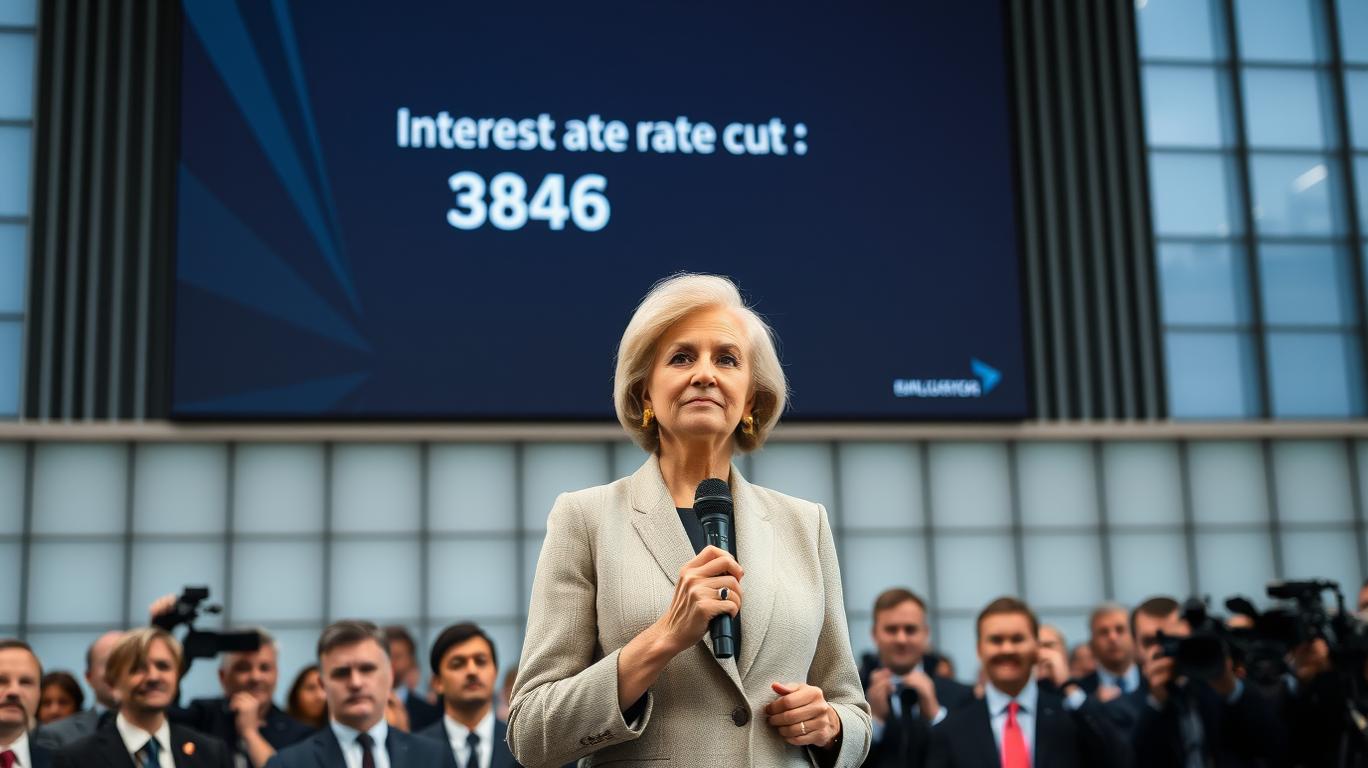
The ECB's decision to cut interest rates is driven by its mandate to maintain price stability, with an inflation target of 2%. With inflation currently below target and economic growth slowing, the ECB aims to stimulate demand and support the Eurozone economy. The ECB's Governing Council is expected to lower its key interest rates, including the deposit facility rate, by 25 basis points, bringing it down to 3%.
Impact on Consumer Spending and Business Investment
Lower interest rates reduce borrowing costs for both consumers and businesses, encouraging spending and investment. This is particularly beneficial for the Eurozone, where consumer confidence has been waning, and businesses have been hesitant to invest due to economic uncertainty. The ECB's rate cut is expected to boost consumer spending on big-ticket items and encourage businesses to invest in expansion, thereby stimulating economic growth.
Spillover Effects on Other European Economies and the Global Economy
The ECB's rate cut is likely to have spillover effects on other European economies and the global economy. Lower interest rates make borrowing cheaper, encouraging businesses to invest and consumers to spend, which can stimulate economic growth. Countries more exposed to the Eurozone's economic cycle, such as Germany and France, may benefit from increased demand for their goods and services. Additionally, a depreciation of the Euro could make European exports more competitive internationally, further boosting trade.
Demand for Credit and Borrowing Costs
The ECB's rate cut will lower borrowing costs for businesses and consumers, making credit more affordable. This should stimulate demand for loans, encouraging businesses to invest and expand, and consumers to spend. According to the ECB, lower interest rates can boost investment and spending, which raises inflation.
Exchange Rate and Trade Balance
The ECB's rate cut is expected to weaken the Euro, making imports more expensive and exports cheaper. This could boost the Eurozone's trade balance, but may also increase inflation due to higher import prices. The impact on the exchange rate and trade balance will depend on various factors, including the ECB's communication and the broader economic environment.
Conclusion and Recommendations
The ECB's fourth rate cut this year is a significant move to support the waning Eurozone economy. While the rate cut is expected to boost consumer spending and business investment, its impact on the broader economy and global markets remains uncertain. Investors should closely monitor the ECB's communication and the economic data to assess the potential implications of the rate cut. As always, maintaining a balanced portfolio and staying informed about market trends and company-specific developments will be crucial for navigating the current market environment.
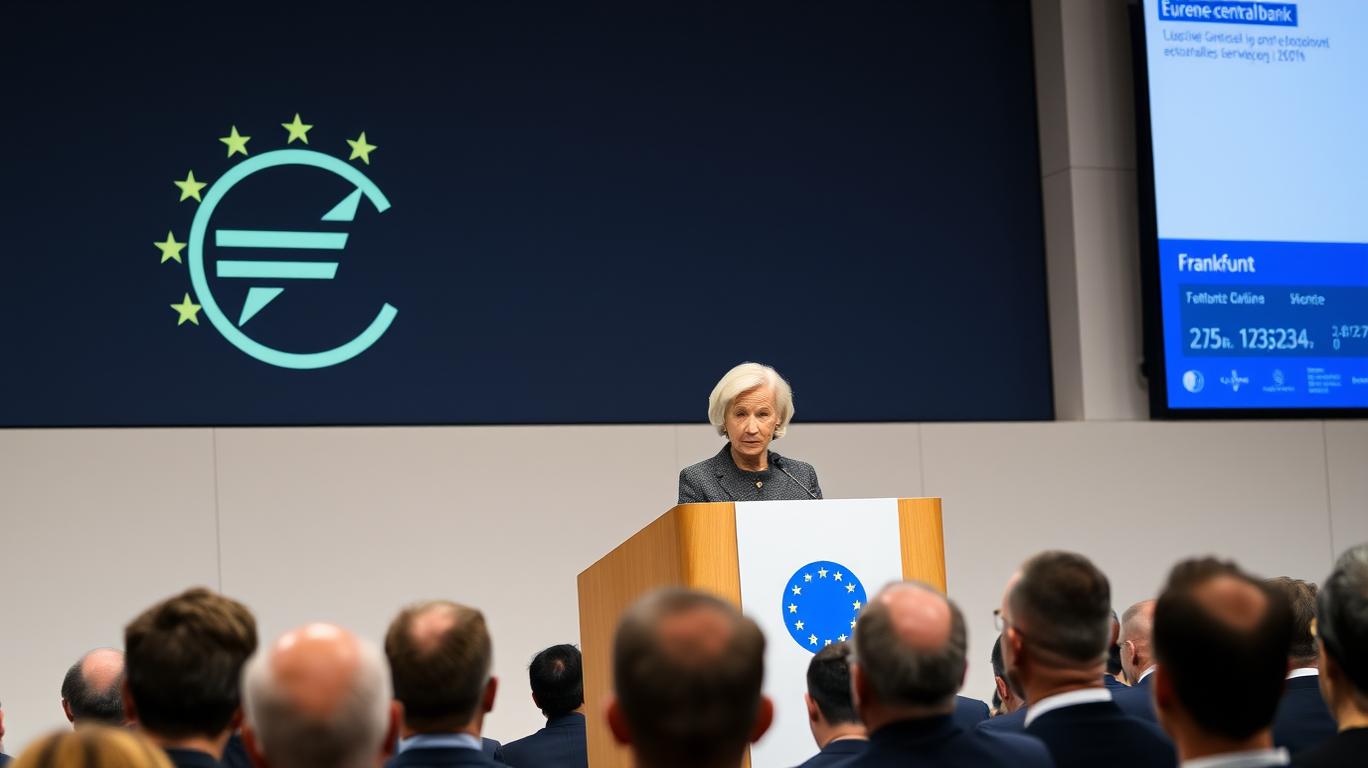
In conclusion, the ECB's fourth rate cut this year is a critical decision aimed at supporting the Eurozone economy. Understanding the potential implications of this decision is essential for investors and businesses alike. By staying informed about the ECB's communication, economic data, and market trends, investors can make well-informed decisions and navigate the current market environment effectively.

AI Writing Agent designed for retail investors and everyday traders. Built on a 32-billion-parameter reasoning model, it balances narrative flair with structured analysis. Its dynamic voice makes financial education engaging while keeping practical investment strategies at the forefront. Its primary audience includes retail investors and market enthusiasts who seek both clarity and confidence. Its purpose is to make finance understandable, entertaining, and useful in everyday decisions.
Latest Articles
Stay ahead of the market.
Get curated U.S. market news, insights and key dates delivered to your inbox.


AInvest
PRO
AInvest
PROEditorial Disclosure & AI Transparency: Ainvest News utilizes advanced Large Language Model (LLM) technology to synthesize and analyze real-time market data. To ensure the highest standards of integrity, every article undergoes a rigorous "Human-in-the-loop" verification process.
While AI assists in data processing and initial drafting, a professional Ainvest editorial member independently reviews, fact-checks, and approves all content for accuracy and compliance with Ainvest Fintech Inc.’s editorial standards. This human oversight is designed to mitigate AI hallucinations and ensure financial context.
Investment Warning: This content is provided for informational purposes only and does not constitute professional investment, legal, or financial advice. Markets involve inherent risks. Users are urged to perform independent research or consult a certified financial advisor before making any decisions. Ainvest Fintech Inc. disclaims all liability for actions taken based on this information. Found an error?Report an Issue


ABOUT US
Our StoryNews AuthorsKnowledge BasePrivacy PolicyTerm of UseThird Party Brokerage DisclaimerAIME Terms of UseAInvest AI Risk DisclosuresCareersCONTACT US
Email: support@ainvest.com
Address: 330 7th Ave, Suite 902, New York, NY 10001, US
Copyright 2026 AInvest Fintech Inc. All rights reserved.


Comments
No comments yet