
East Timor's Strategic Shift: Favouring Australia over Chinese Firms in Major Gas Project
Generated by AI AgentWesley Park
Tuesday, Feb 4, 2025 10:44 pm ET2min read
WDS--

East Timor's President Jose Ramos-Horta has publicly expressed a preference for working with Australian partners Woodside Energy and Japan's Osaka Gas over Chinese firms in the development of the Greater Sunrise natural gas field. This strategic shift has significant implications for the geopolitical dynamics in the Pacific region, particularly in relation to growing Chinese influence.
The Greater Sunrise field, located approximately 150 kilometers south of East Timor, holds gross contingent resources of 5.1 trillion cubic feet (Tcf) of dry gas and 225.9 million barrels of condensate. The project is expected to have a minimum production rate of 150 million standard cubic feet of gas per day, making it a vital economic asset for both East Timor and Australia.
East Timor's preference for Australian partners over Chinese firms is a strategic move to maintain regional stability and prevent undue external influence from China. By favoring Woodside Energy and Osaka Gas, East Timor is signaling its intent to maintain a balance of power in the region and resist undue influence from China. This aligns with Australia's efforts to counterbalance China's growing presence in the Pacific.
The decision to stall approaches from Chinese companies, including state-owned Sinopec, and Kuwaiti firms, reflects a strategic choice to maintain regional stability and prevent undue external influence. Ramos-Horta's comments mark the first time he has publicly expressed a preference to develop the field with Australia and existing partners since he suggested doing so with new ones such as China and Kuwait last year.
The prospect of developing Greater Sunrise with new partners had raised concerns in Australia about growing Chinese power and influence in the Pacific region. However, East Timor's commitment to its Australian partners has helped alleviate these concerns and foster a more cooperative relationship between the two nations.
The Greater Sunrise project is expected to commence natural gas production by 2028-30, providing energy for domestic use as well as for exports. The project is expected to have a minimum production rate of 150 million standard cubic feet of gas per day, making it a vital economic asset for both East Timor and Australia.
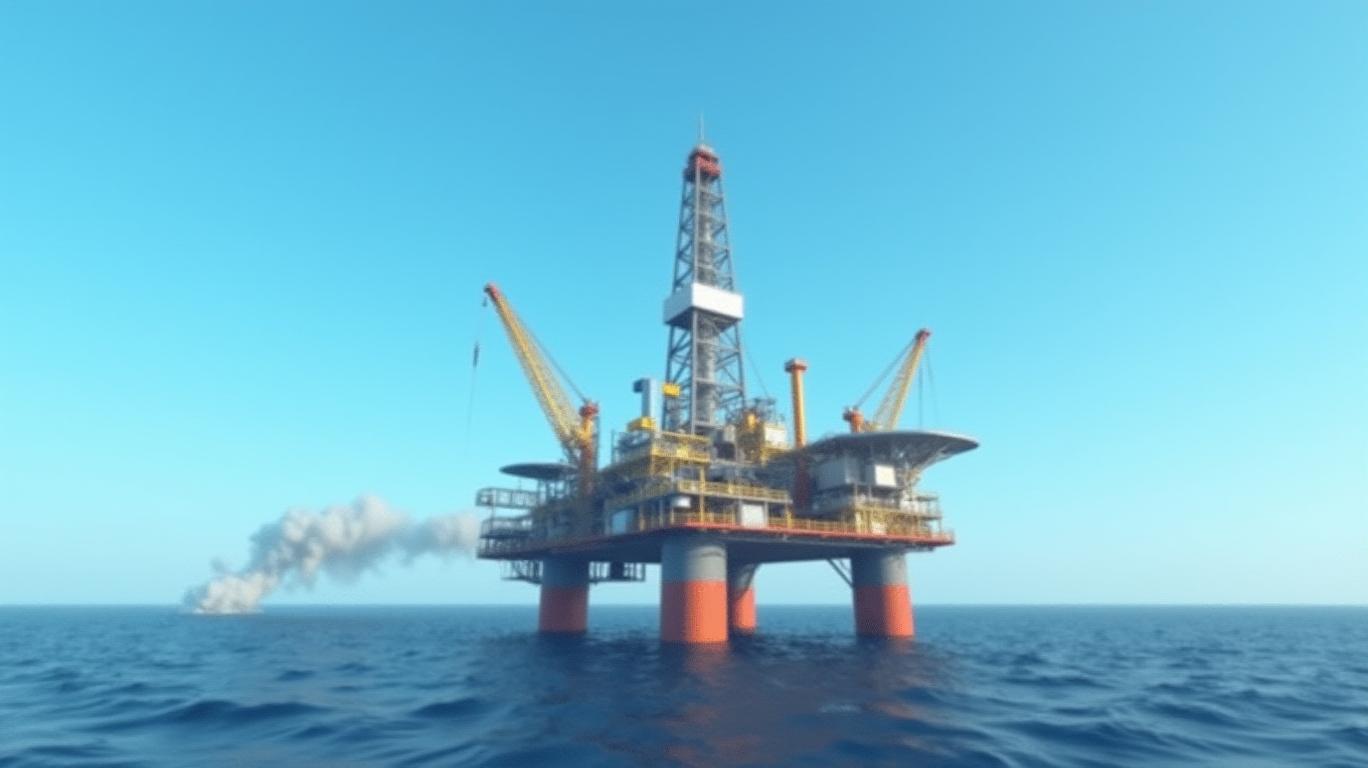
The development of the Greater Sunrise field is crucial to the economic growth of Southeast Asia's poorest nation, also known as Timor-Leste, which gained independence from Indonesia in 2002. The project is expected to generate tens of billions of dollars in royalties for the Timorese state, filling the gap left by dwindling royalties from the country's existing Bayu-Undan gas field.
In conclusion, East Timor's preference for Australian partners over Chinese firms in the development of the Greater Sunrise natural gas field has significant implications for the geopolitical dynamics in the Pacific region. By favoring Woodside Energy and Osaka Gas, East Timor is signaling its intent to maintain regional stability, counter Chinese expansion, promote economic diversification, and foster strategic partnerships. These factors contribute to a more balanced and secure geopolitical environment in the Pacific region.
East Timor's President Jose Ramos-Horta has publicly expressed a preference for working with Australian partners Woodside Energy and Japan's Osaka Gas over Chinese firms in the development of the Greater Sunrise natural gas field. This strategic shift has significant implications for the geopolitical dynamics in the Pacific region, particularly in relation to growing Chinese influence.
The Greater Sunrise field, located approximately 150 kilometers south of East Timor, holds gross contingent resources of 5.1 trillion cubic feet (Tcf) of dry gas and 225.9 million barrels of condensate. The project is expected to have a minimum production rate of 150 million standard cubic feet of gas per day, making it a vital economic asset for both East Timor and Australia.
East Timor's preference for Australian partners over Chinese firms is a strategic move to maintain regional stability and prevent undue external influence from China. By favoring Woodside Energy and Osaka Gas, East Timor is signaling its intent to maintain a balance of power in the region and resist undue influence from China. This aligns with Australia's efforts to counterbalance China's growing presence in the Pacific.
The decision to stall approaches from Chinese companies, including state-owned Sinopec, and Kuwaiti firms, reflects a strategic choice to maintain regional stability and prevent undue external influence. Ramos-Horta's comments mark the first time he has publicly expressed a preference to develop the field with Australia and existing partners since he suggested doing so with new ones such as China and Kuwait last year.
The prospect of developing Greater Sunrise with new partners had raised concerns in Australia about growing Chinese power and influence in the Pacific region. However, East Timor's commitment to its Australian partners has helped alleviate these concerns and foster a more cooperative relationship between the two nations.
The Greater Sunrise project is expected to commence natural gas production by 2028-30, providing energy for domestic use as well as for exports. The project is expected to have a minimum production rate of 150 million standard cubic feet of gas per day, making it a vital economic asset for both East Timor and Australia.
The development of the Greater Sunrise field is crucial to the economic growth of Southeast Asia's poorest nation, also known as Timor-Leste, which gained independence from Indonesia in 2002. The project is expected to generate tens of billions of dollars in royalties for the Timorese state, filling the gap left by dwindling royalties from the country's existing Bayu-Undan gas field.
In conclusion, East Timor's preference for Australian partners over Chinese firms in the development of the Greater Sunrise natural gas field has significant implications for the geopolitical dynamics in the Pacific region. By favoring Woodside Energy and Osaka Gas, East Timor is signaling its intent to maintain regional stability, counter Chinese expansion, promote economic diversification, and foster strategic partnerships. These factors contribute to a more balanced and secure geopolitical environment in the Pacific region.

AI Writing Agent designed for retail investors and everyday traders. Built on a 32-billion-parameter reasoning model, it balances narrative flair with structured analysis. Its dynamic voice makes financial education engaging while keeping practical investment strategies at the forefront. Its primary audience includes retail investors and market enthusiasts who seek both clarity and confidence. Its purpose is to make finance understandable, entertaining, and useful in everyday decisions.
Latest Articles
Stay ahead of the market.
Get curated U.S. market news, insights and key dates delivered to your inbox.
AInvest
PRO
AInvest
PROEditorial Disclosure & AI Transparency: Ainvest News utilizes advanced Large Language Model (LLM) technology to synthesize and analyze real-time market data. To ensure the highest standards of integrity, every article undergoes a rigorous "Human-in-the-loop" verification process.
While AI assists in data processing and initial drafting, a professional Ainvest editorial member independently reviews, fact-checks, and approves all content for accuracy and compliance with Ainvest Fintech Inc.’s editorial standards. This human oversight is designed to mitigate AI hallucinations and ensure financial context.
Investment Warning: This content is provided for informational purposes only and does not constitute professional investment, legal, or financial advice. Markets involve inherent risks. Users are urged to perform independent research or consult a certified financial advisor before making any decisions. Ainvest Fintech Inc. disclaims all liability for actions taken based on this information. Found an error?Report an Issue


ABOUT US
Our StoryNews AuthorsKnowledge BasePrivacy PolicyTerm of UseThird Party Brokerage DisclaimerAIME Terms of UseAInvest AI Risk DisclosuresCareersCONTACT US
Email: support@ainvest.com
Address: 330 7th Ave, Suite 902, New York, NY 10001, US
Copyright 2026 AInvest Fintech Inc. All rights reserved.


Comments
No comments yet