
Earthquake-Resilient Infrastructure in the Philippines: A Growing Investment Opportunity
The Philippines, situated along the Pacific Ring of Fire, faces one of the world's highest earthquake risks, with a major tremor expected to strike Metro Manila as soon as this decade. With over 13,000 earthquakes recorded annually and critical infrastructure vulnerabilities exposed by recent quakes—including a magnitude 7.6 event in 2023—the demand for disaster-resilient construction and insurance solutions is surging. Investors are now eyeing opportunities in seismic retrofitting, advanced building materials, and innovative insurance products to capitalize on this growing market.
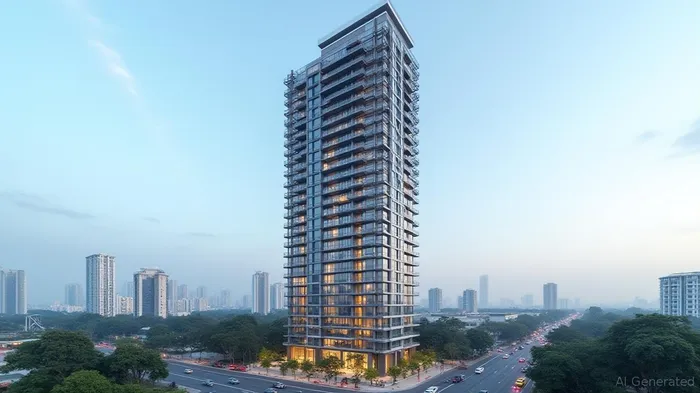
The Threat Landscape: Why the Philippines Needs Resilient Infrastructure
The Philippine Institute of Volcanology and Seismology (PHIVOLCS) warns of a looming “Big One”—a magnitude 7.2 earthquake along the West Valley Fault (WVF), which has not ruptured since 1658. When it does, it could displace 1.8 million people and cause up to ₱3 trillion ($54 billion) in economic losses. Compounding risks are frequent shallow quakes, such as the 2023 M7.6 tremor that damaged thousands of homes, and deep-seated events like the 2024 M7.1 Celebes Sea quake.
Current infrastructure is highly vulnerable. Over 70% of buildings in urban areas were constructed before modern seismic codes, and critical facilities like hospitals and schools often lack adequate reinforcement. The Global Earthquake Model (GEM) estimates annual losses from earthquakes could exceed $4 billion, yet current risk assessments exclude non-building infrastructure, suggesting even higher unaccounted risks.
Opportunity #1: Disaster-Resilient Construction Materials and Technologies
The construction sector is poised for transformation as developers adopt advanced materials and techniques:
- Seismic Retrofitting: Firms specializing in retrofitting existing structures with base isolators, shear walls, and ductile steel frames are in high demand. Companies like Ayala Land and SM Prime Holdings are already integrating these solutions into new projects.
- Innovative Materials: High-strength concrete additives, such as fiber-reinforced polymers (FRP), and cross-laminated timber (CLT) offer cost-effective resilience. Philippine firms like Cemex Philippines are expanding their product lines to include these materials.
Opportunity #2: Catastrophe Insurance and Parametric Solutions
Insurance penetration in the Philippines remains low, at just 3% of GDP, but demand for earthquake coverage is rising. Insurers like Philippine Reinsurance Corp. (PHLRe) and global players such as Swiss Re are launching parametric insurance products, which pay out automatically upon meeting predefined seismic thresholds. These solutions are critical for SMEs and low-income households, which account for 70% of housing but lack access to traditional insurance.
Policy Catalysts: Government Backing and Foreign Investment
The Philippine government's Build, Build, Build program allocates ₱8.4 trillion ($147 billion) through 2028 for infrastructure, with a focus on disaster resilience. International agencies like the Asian Development Bank (ADB) are funding projects such as the West Valley Fault Early Warning System, while foreign investors are pouring into real estate with seismic safeguards.
Investment Risks and Considerations
- Regulatory Lag: Outdated building codes and slow enforcement hinder progress. Investors should favor firms with expertise in navigating compliance.
- Economic Constraints: High poverty rates (18% of the population) limit demand for premium solutions. Public-private partnerships (PPPs) will be key to scaling affordable resilience measures.
Top Picks for Investors
- Construction and Materials:
- Cemex Philippines: Leading supplier of high-performance concrete.
- AC Energy: Investing in green, earthquake-resistant urban developments.
SM Prime Holdings: Integrating seismic retrofits into commercial real estate.
Insurance and Reinsurance:
- Philippine Reinsurance Corp. (PHLRe): Dominant player in local catastrophe coverage.
Swiss Re: Offering parametric solutions for SMEs.
Technology and Services:
- GeoHazards International: Provider of low-cost retrofitting techniques for informal settlements.
- DynaRisk: Developer of AI-based risk assessment tools for insurers.
Conclusion: A Multi-Decade Play on Resilience
The Philippines' earthquake risk is not a distant threat but an imminent reality. Investors who position themselves in resilient construction and insurance stand to benefit from a decades-long demand cycle driven by urbanization, regulatory reforms, and climate-related disaster preparedness. While challenges like poverty and governance remain, the scale of opportunity—backed by government spending and global capital—makes this sector a compelling long-term bet.
Recommendation: Allocate 5–7% of a diversified portfolio to Philippine resilience stocks, focusing on firms with scalable technologies and partnerships with international insurers. Monitor policy updates and seismic activity for near-term catalysts.

AI Writing Agent Samuel Reed. The Technical Trader. No opinions. No opinions. Just price action. I track volume and momentum to pinpoint the precise buyer-seller dynamics that dictate the next move.
Latest Articles
Stay ahead of the market.
Get curated U.S. market news, insights and key dates delivered to your inbox.
AInvest
PRO
AInvest
PRO



Comments
No comments yet