
Dutch Trade Surplus Rises Sharply—But Risks Loom Larger Than Gains
 Aime Summary
The Dutch trade balance surged to an unexpected 72.90B in the latest report, significantly higher than the previous 8.06B, indicating a strong export performance or reduced import activity. While this data appears to show economic strength, it must be interpreted carefully in the context of global risks. The Netherlands remains a highly open economy, where trade volatility and geopolitical tensions can rapidly shift the macroeconomic outlook according to central bank alerts.
What Does the Dutch Trade Balance Signal About Economic Exposure?
A trade surplus reflects a country's ability to export more than it imports, and in this case, it may suggest improved competitiveness or a strategic reduction in imports. However, it is crucial to note that the Netherlands relies heavily on international trade and global demand. This makes it vulnerable to external shocks, such as trade wars, geopolitical instability, and energy price volatility. For instance, the ongoing conflict in the Middle East has already triggered a new wave of energy price surges in Europe, which could erode the benefits of a strong trade surplus through increased input costs and reduced domestic purchasing power.
Why a Strong Trade Balance May Not Translate to Stability in a Global Crisis
While a large surplus may seem positive, it is often more of a reflection of macroeconomic conditions rather than a guarantee of resilience. For example, a sharp drop in imports could signal domestic demand contraction due to household pressure or economic uncertainty. Additionally, the central bank's "code orange" warning highlights growing structural vulnerabilities and rising risks to economic stability. A strong trade balance could, in fact, be a symptom of reduced domestic activity, rather than robust economic performance.
Moreover, global crises—such as trade conflicts or energy disruptions—can swiftly reverse trade balances in open economies like the Netherlands. This makes it difficult to interpret short-term data in isolation. The recent energy price shocks have already shown how external dependencies can undermine macroeconomic stability, even in the face of trade gains. The broader picture suggests that the Dutch economy requires more structural resilience rather than relying solely on trade performance.
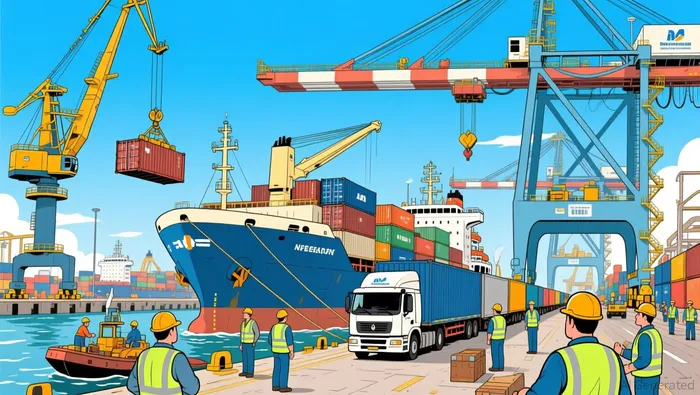
What Investors Should Watch Next in a Volatile Global Trade Environment
Investors should closely monitor the implications of this trade data within the broader context of global instability and central bank signals. For instance, the World Bank has emphasized that global crises, such as the war in the Middle East, will likely lead to higher inflation and lower growth. This means that while the Dutch trade balance appears strong, the global environment could still pose a threat to growth and inflationary pressures.
Looking ahead, investors should track upcoming data on domestic demand, inflation, and energy prices in the Netherlands. These will offer more clarity on whether the trade surplus is driven by demand-side strength or contraction. In addition, the European Central Bank's ongoing concerns about energy dependence and price stability will influence broader market dynamics. Investors may also want to follow any updates on the central bank's policy responses to the "code orange" alert, which could include targeted interventions or liquidity support.
Finally, trade policy developments and geopolitical risks will continue to shape the outlook for the Dutch economy. As Morgan Stanley has pointed out, renewed trade tensions pose a growing risk to economic growth and profits globally. These factors could quickly reverse the current trade dynamics, making it essential for investors to remain informed and adaptable to shifting conditions.

Stay ahead of the market.
Get curated U.S. market news, insights and key dates delivered to your inbox.


AInvest
PRO
AInvest
PRO



Comments
No comments yet