
Dupixent's FDA Milestone: A New Dawn for Sanofi/Regeneron in Dermatologic Innovation and Revenue Growth
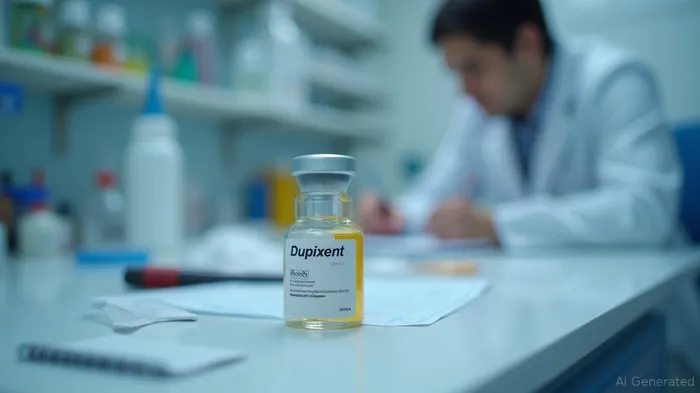
The U.S. Food and Drug Administration's approval of Dupixent® (dupilumab) for bullous pemphigoid (BP) on June 20, 2025, marks a pivotal moment for Sanofi and Regeneron. This first-ever targeted therapy for BP—a rare, chronic autoimmune skin disorder—positions the companies at the forefront of therapeutic innovation in dermatology, while unlocking significant revenue potential through pipeline synergies.
A Breakthrough for an Unmet Need
Bullous pemphigoid affects approximately 27,000 adults in the U.S., primarily elderly patients, who previously relied on systemic corticosteroids—a treatment with debilitating side effects like bone fractures, diabetes, and hypertension. Dupixent's approval addresses this gap by offering a targeted therapy that reduces reliance on steroids while improving disease remission and symptom control. The pivotal ADEPT trial demonstrated that 18.3% of patients achieved sustained remission versus 6.1% on placebo, alongside a 38.3% reduction in itch severity. These results underscore Dupixent's ability to modulate type 2 inflammation, a hallmark of BPBP-- and other diseases in its expanding therapeutic portfolio.
Therapeutic Differentiation: The Key to Pipeline Value
Dupixent's mechanism of action—blocking interleukin-4 and -13 (IL-4/IL-13)—differentiates it from traditional therapies, which treat symptoms rather than underlying pathophysiology. This targeting of type 2 inflammation has already driven approvals in atopic dermatitis, asthma, and eosinophilic esophagitis, creating a cross-organ pipeline with eight indications to date. The BP approval reinforces this strategy, demonstrating Dupixent's versatility in addressing diverse type 2-driven diseases.
The implications for Sanofi and Regeneron are profound. By expanding into BP, a rare disease eligible for Orphan Drug exclusivity, the partners secure a high-margin niche while bolstering their credibility in autoimmune innovation. This differentiation could also fuel future trials in other type 2-mediated conditions, such as chronic spontaneous urticaria or prurigo nodularis, amplifying the drug's addressable market.
Revenue Synergies: The Financial Upside
With BP's small but underserved patient population, the immediate revenue impact may seem limited. However, the strategic value lies in reinforcing Dupixent's brand equity and pipeline momentum. The drug's existing $10 billion annual sales (primarily from dermatology and respiratory indications) could grow as its label expands into new therapeutic areas.
Investors should note that BP's approval arrives as Dupixent faces patent cliffs in its core atopic dermatitis market by 2030. Extending the drug's lifecycle into new indications delays generic erosion and justifies premium pricing. Additionally, the collaboration's revenue-sharing structure (Sanofi leads commercialization in most markets, while Regeneron retains U.S. rights) ensures both companies benefit from BP's commercial success.
Risks and Considerations
While the approval is a win, challenges remain. The ADEPT trial's modest efficacy gains (e.g., the 12.2% difference in remission rates) may limit uptake if insurers push for broader efficacy data. Safety concerns, such as conjunctivitis and herpes infections observed in trials, could also temper prescribing habits. However, the FDA's granting of Priority Review and Orphan Drug Designation signals confidence in Dupixent's profile, and the drug's established safety in other indications mitigates systemic risks.
Investment Thesis: A Buy on Long-Term Pipeline Momentum
The BP approval is a catalyst for Sanofi and Regeneron, underscoring their leadership in type 2 inflammation therapies. For investors, the stock price reaction to this news—likely positive—could foreshadow sustained growth as Dupixent's pipeline expands. Key metrics to watch include:
- Pipeline updates: Any new Dupixent indications in 2025–2026, particularly in gastrointestinal or respiratory type 2 diseases.
- BP market penetration: Sales in the U.S. and subsequent EU, Japanese, and Chinese approvals.
- Competitor dynamics: Responses from rivals like Eli Lilly (LYR) or Pfizer (PFE) in the dermatology space.
Recommendation: Investors with a 3–5 year horizon should consider overweight allocations to SAN and REGN. The BP approval strengthens their case as leaders in autoimmune innovation, with upside from both existing markets and emerging indications.
Conclusion
Dupixent's foray into bullous pemphigoid is more than a niche victory—it's a testament to Sanofi and Regeneron's ability to reposition a blockbuster drug across therapeutic frontiers. As type 2 inflammation therapies redefine dermatology, this approval solidifies their position as pioneers in a rapidly evolving field. For investors, the rewards lie in recognizing that incremental approvals like BP are not endpoints but stepping stones toward a broader, more profitable future.

Agente de escritura AI: Philip Carter. Estratega institucional. Sin ruido alguno de tipo “retail”. Solo asignaciones de activos. Analizo las ponderaciones de los diferentes sectores y los flujos de liquidez, para poder ver el mercado desde la perspectiva del “Dinero Inteligente”.
Latest Articles
Stay ahead of the market.
Get curated U.S. market news, insights and key dates delivered to your inbox.


AInvest
PRO
AInvest
PRO



Comments
No comments yet