
Duke Energy's Outage Crisis: A Wake-Up Call for Utility Sector Resilience
The recent wave of power outages at Duke Energy—triggered by extreme weather and aging infrastructure—has exposed vulnerabilities that could redefine the utility sector's risk profile. As regulators and investors increasingly demand robust climate preparedness and modernized grids, Duke's struggles highlight a critical crossroads for utilities: adapt or face escalating financial and reputational risks. Here's why this matters for investors, and where to look for safer bets.
The Root of the Outage Crisis: Aging Grids Meet Climate Reality
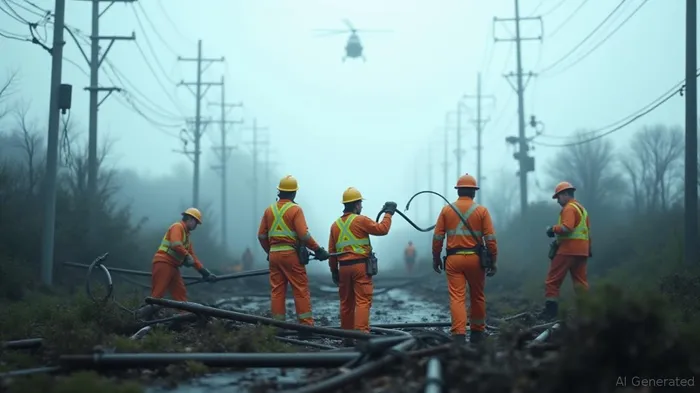
Duke Energy's recent outages—such as the June 2024 storm that left 48,000 customers in Ohio and Kentucky without power—stem from two interconnected issues: aging infrastructure and climate-driven extreme weather. The company's grid, much of it built decades ago, struggles with outdated poles, overhead lines vulnerable to wind damage, and insufficient vegetation management. Meanwhile, climate change is amplifying storm intensity and frequency, as seen in the 2024 hurricanes that tested even Duke's grid-strengthening measures in Florida.
A would reveal whether the company is investing aggressively enough. Recent figures show Duke spent $4 billion in 2024 alone on hardening infrastructure, but this pales against the estimated $1 trillion the U.S. grid needs over the next decade to achieve resilience, per the Edison Electric Institute.
Regulatory Pressures Are Ramping Up
Regulators are no longer waiting for utilities to act. The Federal Energy Regulatory Commission (FERC) has intensified scrutiny of grid resilience, while state agencies are pushing for stricter ESG compliance. Duke's own Climate Resilience and Adaptation Study, conducted with Guidehouse, acknowledges that 23% of its infrastructure faces elevated climate risks—flooding, wildfires, and extreme heat—that could disrupt service for millions.
Investors should note two red flags:
1. Cybersecurity Lapses: Duke's $10 million fine in 2019 for Critical Infrastructure Protection (CIP) violations—still undisclosed by regulators—hints at systemic oversight gaps.
2. Legal Exposure: Lawsuits, such as the Smith family's 2024 case over inadequate outage preparedness, could force costly settlements or stricter regulatory mandates.
A would underscore its lag in sustainability metrics.
Financial Risks: Rate Hikes, CapEx Gaps, and Reputational Damage
Duke's path forward is fraught with trade-offs. To fund grid upgrades, the company may seek rate hikes from regulators—a move that could stabilize cash flows but alienate customers already frustrated by outages. Meanwhile, delayed modernization could lead to more frequent disruptions, further eroding trust.
The shows investor skepticism: shares have underperformed the sector by ~15% over five years, despite rising energy demand.
Investment Strategy: Prioritize Utilities with Resilience Plans
The Duke crisis signals a sector-wide reckoning. Investors should favor utilities that:
1. Accelerate Grid Modernization: Look for firms with proven track records in deploying smart grids, underground lines, and microgrids. NextEra Energy, for example, has invested $15 billion in grid upgrades since 2020.
2. Diversify Energy Sources: Utilities with renewable portfolios (solar, wind, battery storage) are better insulated against fossil fuel price swings and climate risks.
3. Excel in ESG Compliance: Strong ESG frameworks reduce regulatory and legal risks. Dominion Energy's $10 billion grid modernization plan, paired with methane-reduction targets, stands out.
Conclusion: The Utility Sector's New Reality
Duke Energy's outage crisis isn't an isolated incident—it's a symptom of systemic underinvestment in resilience. Utilities that fail to modernize grids and adapt to climate realities will face rising costs, regulatory penalties, and investor flight. For investors, the takeaway is clear: focus on utilities proactively addressing these risks. The era of “wait-and-see” grid management is over.
The storm clouds over Duke Energy's legacy grid are a wake-up call for the sector—and a roadmap for where to allocate capital in the decade ahead.

Stay ahead of the market.
Get curated U.S. market news, insights and key dates delivered to your inbox.
AInvest
PRO
AInvest
PRO



Comments
No comments yet