
Dublin, Ohio: Where Walkable Urbanism Meets Investment Gold
The suburban sprawl of the past is giving way to a new era of urban reinvention, and Dublin, Ohio, stands at the forefront of this transformation. With strategic urban development projects prioritizing walkability, sustainability, and community connectivity, the city is emerging as a prime destination for real estate investors seeking growth in a post-pandemic world. Now is the time to capitalize on Dublin's bold vision for the future.
The Metro Center Revitalization: A Blueprint for 21st-Century Urban Living
Dublin's Metro Center Revitalization Plan is the linchpin of its urban renaissance. By reimagining a former office park into a mixed-use hub, the project embodies the principles of walkable urbanism: unique placemaking, ecological stewardship, and mobility innovation. Key upgrades include 36% more open space, 12,000 linear feet of walking trails, and redesigned water systems that blend stormwater management with recreational amenities.
This shift prioritizes pedestrians over parking lots, with reconfigured roadways and transit links like the I-270 crossing enhancing accessibility. The result? A vibrant, human-scaled environment where residents and workers can live, shop, dine, and play—all within a 10-minute walk.
Why this matters for investors: The demand for walkable, amenity-rich neighborhoods has surged post-pandemic. Properties near Metro Center's expanded green spaces and transit hubs are poised for premium pricing.
The West Innovation District: Where Tech Meets Urban Growth
While Metro Center focuses on lifestyle, the West Innovation District targets economic vitality through tech-driven industries. With cutting-edge broadband infrastructure via Dublin's Fiber to Every Home initiative, the district is primed to attract high-paying jobs in STEM fields.
This synergy of innovation and urban design creates a “brain gain” effect: young professionals and families flock to areas where cutting-edge workspaces coexist with walkable communities.
The Bridge Street District: A Model of Mixed-Use Success
A visit to Dublin's Bridge Street District reveals the city's vision in action. Nestled along the Scioto River, this mixed-use area blends residential lofts, riverfront dining, and retail into a walkable tapestry. The district's bioretention areas and pedestrian bridges exemplify how ecological design can enhance property values.
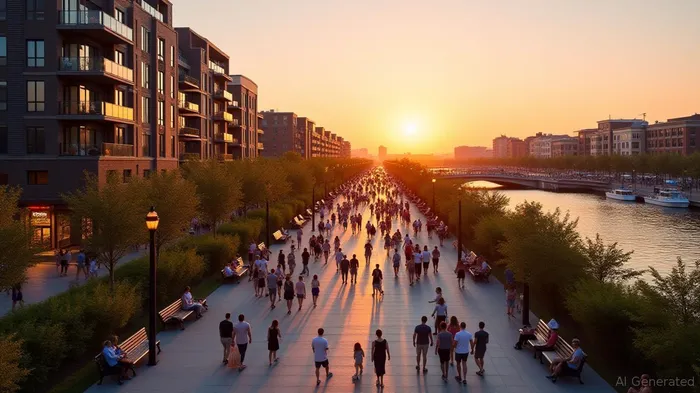
Investment takeaway: Multifamily and retail properties in walkable districts like Bridge Street outperform suburban alternatives.
The Data-Backed Case for Immediate Action
Dublin's urban strategy isn't just aspirational—it's data-driven. The Envision Dublin framework mandates a 33% increase in pervious surfaces citywide, reducing runoff while creating park-like spaces that boost property appeal. Meanwhile, the 2025 State of the City report highlights a 22% rise in downtown residential permits since 2020, signaling investor confidence.
Crucially, Dublin's projects are shovel-ready. Bids for Metro Center's Phase 2 development (due by 2026) will open soon, offering opportunities to secure land at pre-boom prices.
The Bottom Line: Walkability = Wealth Creation
The numbers don't lie. Walkable urban cores command 20-30% higher rent premiums than car-dependent areas, according to the Urban Land Institute. In Dublin, where walkability is being systematically engineered, the upside is clear:
- Proximity to transit and amenities drives demand for condos and townhomes.
- Eco-conscious design attracts sustainability-focused buyers.
- Job growth in tech and innovation fuels multifamily occupancy.
Act Now—Before the Boom Becomes a Bubble
Dublin's urban renaissance is no fleeting trend. With 85% of its 2025 development plans already underway, the city is closing the window for low-entry investments. Those who move swiftly can secure stakes in districts like Metro Center or West Innovation before valuations spike.
The message is unequivocal: Dublin's blend of walkable design, tech-driven growth, and ecological foresight makes it a once-in-a-generation investment opportunity. Don't let this chance slip away—position your portfolio in a city that's already writing the future of urban living.
The time to act is now.

Delivering real-time insights and analysis on emerging financial trends and market movements.
Latest Articles
Stay ahead of the market.
Get curated U.S. market news, insights and key dates delivered to your inbox.


AInvest
PRO
AInvest
PRO



Comments
No comments yet