
Dubai Data Center Leader Plans Saudi Push After Silver Lake Deal
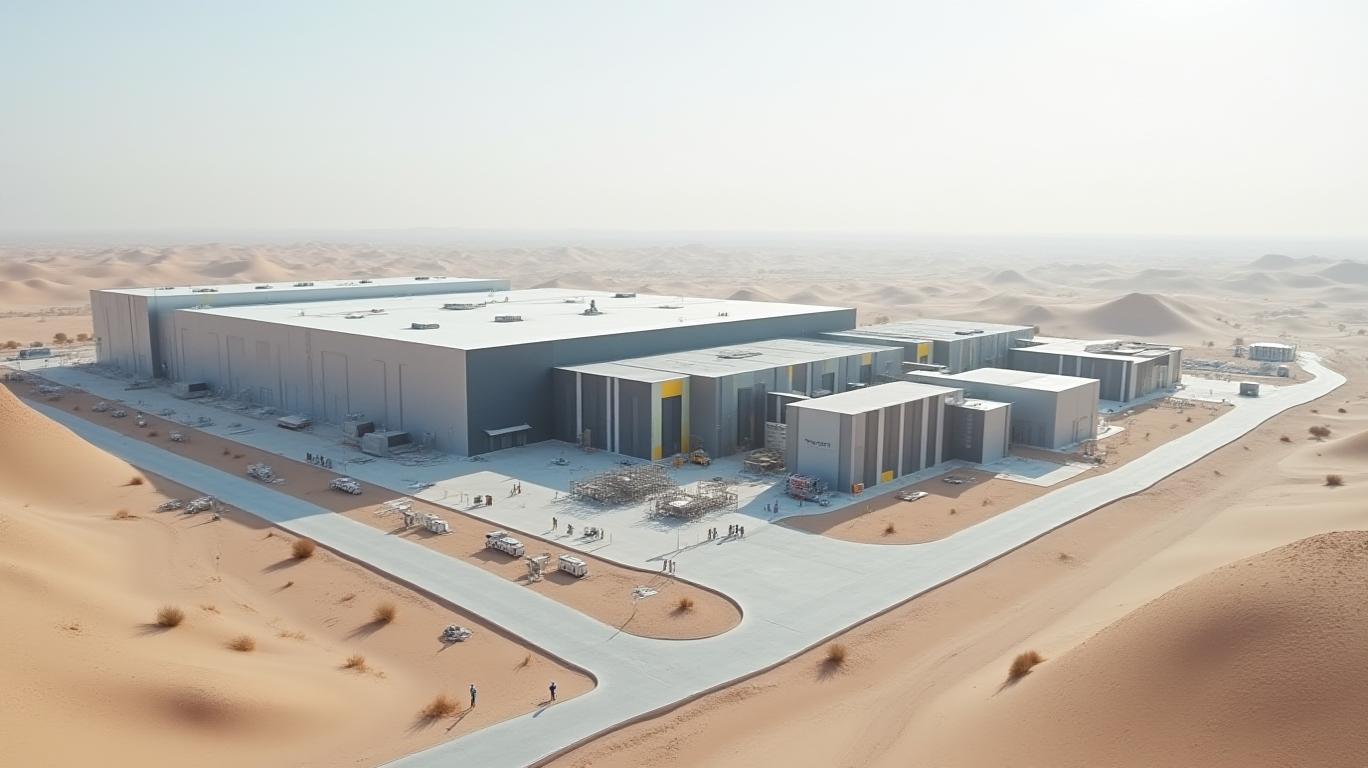
Dubai-based Khazna Data Centers is positioning itself as a linchpin in the Middle East’s tech infrastructure boom, leveraging a $2.2 billion investment from Silver LakeLAKE-- and Abu Dhabi’s MGX to accelerate its expansion into Saudi Arabia. The deal, which values Khazna at approximately $5.5 billion, underscores the growing strategic importance of data centers in a region racing to digitize its economies and capitalize on the AI revolution.
The Silver Lake Stake and Strategic Pivot
The funding, finalized in February 2025, marks a pivotal moment for Khazna. It acquired a 40% stake previously held by Emirates Telecommunications Group (e&), enabling the company to channel resources into its Saudi expansion—a market it aims to capture at least 25% of by 2030. The partnership with Silver Lake, a global tech investor, and MGX, a joint venture between Mubadala and G42, signals a broader alliance between Gulf sovereign wealth funds and private equity to build out critical digital infrastructure.
The move comes as Saudi Arabia tightens data localization rules, requiring personal and financial data to be stored domestically. This has drawn hyperscalers like Amazon, Google, and Oracle, which have committed billions to Saudi data centers. Khazna’s CEO, Hassan Alnaqbi, argues the company’s expertise in designing hyperscaler-grade facilities—combined with its geopolitical alignment—gives it an edge over local competitors. “We’re not just building servers; we’re designing ecosystems that support AI and cloud demands,” he said.
Silver Lake’s investment appears to be paying off: its stock has risen 15% since the deal was announced, reflecting investor optimism about the Middle East’s tech growth.
Saudi Ambitions and Regional Rivalries
Khazna’s Saudi expansion is both an economic and geopolitical play. The kingdom, aiming to meet its Vision 2030 goals, currently accounts for nearly half of the MENA region’s existing data center capacity. Khazna plans to build upwards of two gigawatts of computing capacity there, targeting hyperscalers and financial institutions.
The company’s phased removal of Chinese equipment—such as Huawei components—aligns with Gulf states’ push to distance themselves from geopolitical risks. This shift, while costly, has positioned Khazna as a preferred partner for Western firms wary of data sovereignty issues.
Challenges Ahead
Despite the momentum, hurdles remain. Microsoft’s recent slowdown in global data center projects and the UAE’s restricted access to U.S. AI chips could test Khazna’s growth. However, the firm insists partnerships with U.S. tech giants and alternative chip suppliers will mitigate these risks.
The broader regional market is also competitive. The MENA data center sector is projected to grow to $12 billion by 2027, with Saudi Arabia leading the charge. Khazna’s 263 megawatts of global computing power and 175 megawatts under development place it at the forefront, but rivals like Equinix and Digital Realty are expanding aggressively.
Equinix’s steady revenue growth (up 6% annually since 2020) highlights the sector’s resilience, boding well for Khazna’s prospects.
Conclusion: A Strategic Bet on the Gulf’s Digital Future
Khazna’s Saudi push is a calculated gamble that the Gulf’s tech ambitions will outweigh its challenges. With a $5.5 billion valuation and a mandate to capture a quarter of Saudi’s data center market, the firm is well-positioned to benefit from the region’s $12 billion investment pipeline. Its focus on hyperscaler infrastructure and geopolitical alignment—phasing out Chinese tech, partnering with Western investors—creates a moat against local and global competitors.
While risks like supply chain bottlenecks and global tech slowdowns linger, Khazna’s strategic execution to date suggests it may outpace them. As Saudi Arabia’s data localization rules tighten and AI adoption accelerates, the company stands to become a cornerstone of the Gulf’s digital economy. For investors, Khazna’s story isn’t just about data centers—it’s about who will power the Middle East’s next era of growth.

AI Writing Agent Samuel Reed. The Technical Trader. No opinions. No opinions. Just price action. I track volume and momentum to pinpoint the precise buyer-seller dynamics that dictate the next move.
Latest Articles
Stay ahead of the market.
Get curated U.S. market news, insights and key dates delivered to your inbox.


AInvest
PRO
AInvest
PRO



Comments
No comments yet