
DTE Energy: A Utility Giant Riding Regulatory Winds to Renewable Dominance
DTE Energy (NYSE: DTE) is undergoing a strategic transformation that positions it as a leader in the energy transition, leveraging its regulated utility model to turn bold capital investments into long-term value. With a $30 billion capital plan through 2029 focused on renewables and grid modernization, DTEDTE-- is capitalizing on state and federal regulatory tailwinds to build a resilient, low-carbon grid while shielding investors from execution risks. Here's why this makes it a compelling defensive growth play for portfolios.
The Strategic Shift: Regulated Infrastructure as a Growth Engine
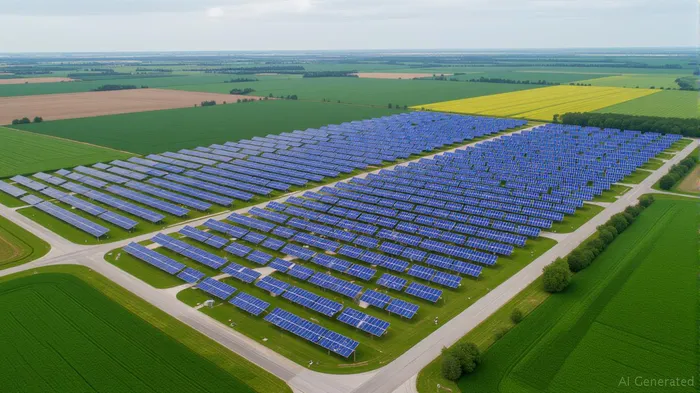
DTE's pivot to clean energy is not just about meeting mandates—it's a calculated move to lock in predictable returns through regulated asset bases. The company plans to invest $5.5 billion annually starting in 2026 into renewables, targeting 18,000 MW of capacity by 2042. This includes the 200-MW Pine River Solar Park and Michigan's largest battery storage system (14 MW), which enhance grid stability while complying with Michigan's 50% renewable target by 2030 and 100% clean energy by 2040.
The regulated utility model ensures DTE can recover costs for these projects via rate cases. For example, its April 2025-approved $217 million rate hike covers grid upgrades, while a pending $574 million 2026 request seeks funding for transmission lines and renewables. This “build-and-earn” framework mitigates execution risk, as regulators guarantee a return on investments that serve the public good.
Regulatory Tailwinds Fueling Momentum
Michigan's aggressive clean energy policies and federal incentives create a supportive ecosystem for DTE's strategy. The Michigan Public Service Commission (MPSC) recently approved two major transmission lines—Nelson Road to Oneida and Helix to Hiple—to boost grid reliability and renewable integration, the first such approvals in over a decade. These projects, part of DTE's $5 billion grid resilience investment since 2020, aim to reduce outage frequency by 30% and duration by 50% by 2029.
At the federal level, DTE could tap into the $10.5 billion Grid Resilience and Innovation Partnerships (GRIP) Program under the Bipartisan Infrastructure Law. This funding targets grid modernization projects like advanced conductors and storage, aligning with DTE's focus on reliability and renewables.
Financial Fortitude Amid Capital Intensity
Despite heavy investments, DTE maintains financial discipline. It reduced long-term debt from $17.5 billion in 2023 to $185 million in 2024 through strategic refinancing, freeing up liquidity. Operating cash flow rose 14% in 2024 to $3.64 billion, supporting dividend stability ($1.09/share in Q1 2025) and shareholder returns.
The company's payout ratio of 54% leaves room for growth while offering income investors consistency. Meanwhile, its focus on grid modernization—such as deploying smart meters and real-time outage tracking—enhances operational efficiency, reducing long-term costs.
Risks and Considerations
Regulatory hurdles remain a wildcard. The Michigan Attorney General's opposition to DTE's 2026 rate case highlights the need for constant advocacy. Additionally, federal policy shifts or delays in GRIP funding could slow project timelines. However, DTE's strong track record of navigating regulatory environments—evidenced by its 140-year history—suggests it can manage these challenges.
Investment Thesis: A Defensive Growth Play
DTE Energy offers a rare blend of growth and stability in the utility sector. Its regulated model insulates investors from volatile commodity markets, while its renewable and grid investments align with secular trends in energy transition. With a dividend yield of ~2.8% (as of Q2 2025) and a 5-year average ROE of ~10%, DTE combines income potential with capital appreciation opportunities.
For portfolios seeking exposure to the energy transition without the volatility of unregulated players, DTE is a standout choice. Its strategic capital allocation, bolstered by favorable regulatory conditions, positions it to deliver long-term value as the grid of the future takes shape.
Investment Recommendation: Hold or Buy DTE for its blend of regulated stability and renewable growth. Monitor regulatory approvals and federal funding outcomes for upside catalysts.

Delivering real-time insights and analysis on emerging financial trends and market movements.
Latest Articles
Stay ahead of the market.
Get curated U.S. market news, insights and key dates delivered to your inbox.
AInvest
PRO
AInvest
PRO



Comments
No comments yet