
DTE Energy: Navigating Analyst Crosswinds in a High-Stakes Utility Landscape
The utility sector has long been a bastion of stability, but DTE EnergyDTE-- (NYSE:DTE) is proving that even staid industries can spark heated debate. As Wall Street analysts clash over its valuation and growth trajectory, investors are faced with a compelling dilemma: Is DTE a conservative dividend stalwart or a risky bet on regulatory headwinds? Let's dissect the numbers behind the growing divide.
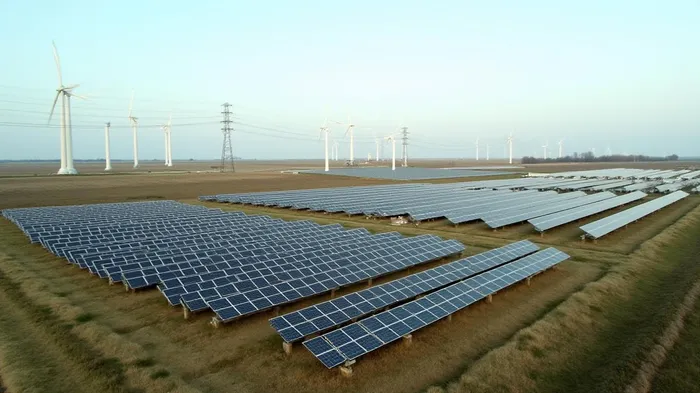
Analyst Sentiment: A "Moderate Buy" With Sharp Divisions
The consensus rating of "Moderate Buy" from 13 analysts masks stark differences in outlook. While 9 analysts recommend a Buy, 4 hold Hold ratings—a cautious undercurrent reflecting sector-specific risks. The most notable split lies in price targets:
- Bullish Case: Scotiabank's $154 target (11% upside from May 23's $136.32 close) hinges on flawless execution of its $30B capital plan, including 800MW/year renewable projects.
- Bearish Concerns: Guggenheim's $111 target (18% downside) highlights geographic concentration risks in Michigan and regulatory uncertainty.
The average target of $143.73 suggests a 5% near-term upside, but the range—from $111 to $154—reveals deepening analyst polarization.
Financial Fortitude in a Volatile Quarter
DTE's Q1 2025 results underscore its dual identity as both a reliable utility and a growth-oriented energy player:
- Gas & Non-Utility Triumphs:
- Gas segment earnings surged 46% YoY to $206M, driven by rate hikes and infrastructure upgrades.
The Vantage segment (renewables and energy trading) grew 31% to $39M, fueled by rising demand for green energy.
Electric Division Struggles:
- Earnings dropped 24% to $147M, pressured by flat residential demand and regulatory delays.
This mixed performance mirrors broader sector trends: utilities with diversified revenue streams (like DTE's gas and renewables) are outperforming single-product peers.
The Catalysts Driving Bullish Analysts
- Renewable Expansion:
- DTE's pledge to invest $6B annually in renewables through 2027 positions it to capitalize on federal tax incentives under the Inflation Reduction Act.
Dividend Resilience:
The $4.36/share dividend (3.4% yield) has grown steadily for 16 years, supported by a 91% payout ratio—comfortably sustainable even under downside scenarios.
Regulatory Tailwinds:
- Michigan's updated “Safe Harbor” rules allow faster cost recovery for grid modernization projects, reducing execution risk.
Bear Case: When the Michigan Bubble Bursts
The skeptics aren't wrong to worry:
- Geographic Risk: 90% of revenue comes from Michigan. A recession or regulatory misstep in this concentrated market could trigger a sharp earnings drop.
- Regulatory Whiplash: Federal changes to tax credit eligibility or tariffs on solar panels could derail its renewable ambitions.
- Debt Loads: While manageable at $33.7B, rising rates could increase refinancing costs for its $207M share count.
Valuation: A Stock for Patience, Not Impulse
- Current P/E: 19x vs. 17x for the Utilities Select Sector SPDR Fund (XLU).
- Growth Premium: Justified if renewables hit 20% of revenue by 2027—but this hinges on flawless execution.
At $136/share, DTE trades at a 5% premium to its 5-year average. Bulls argue this is cheap for a company with 6% EPS growth visibility; bears counter that risks aren't adequately discounted.
Final Analysis: A Buy for the Long Game
DTE Energy is a classic value vs. growth battleground. While bears focus on Michigan's economic fragility and regulatory risks, bulls see a compound growth machine fueled by renewables and grid modernization.
Actionable Takeaway:
- Buy: If you can stomach short-term volatility for a 5–7% annualized return through 2027.
- Hold: For investors seeking pure income stability—opt for peers like NextEra Energy (NEE) until DTE's electric division stabilizes.
The stock's $143 average target suggests 5% upside within 12 months, but the real prize lies in its $154 bull case, achievable if renewables hit targets and Michigan regulators remain cooperative. This is a stock to watch closely as Q2 earnings approach—regulatory news could swing sentiment decisively.
In a sector where “boring” is a compliment, DTE is anything but. Its duality as a conservative utility and aggressive renewable player makes it a must-follow story in the energy transition era. The question isn't whether to invest—but whether you're ready to bet on its ability to navigate crosswinds.

Delivering real-time insights and analysis on emerging financial trends and market movements.
Latest Articles
Stay ahead of the market.
Get curated U.S. market news, insights and key dates delivered to your inbox.




Comments
No comments yet