
A DRW Market Maker Moved $9.4M Into PONS While It Fell 46% — That's Not the Signal It Looks Like
 Aime Summary
$PONS is down about 46% from its all-time high, trading near $0.52, and a wallet tied to Cumberland — the crypto arm of Chicago's DRW, one of the oldest market makers in the industry — just pulled roughly 16.55 million tokens, worth around $9.37 million, off the Gate exchange over about ten days. That is the setup the crypto group chat is already calling institutional smart money buying the dip.
Check the ledger first, because the headline reads backward for the firm doing the buying.
PONS is the native token of Pons, a launchpad on Robinhood Chain (an Ethereum layer-2 built on Arbitrum, not an official Robinhood product) where anyone can mint a tradable token for about a dollar. The business is real and unusually big: on a single day in early September roughly 25,000 tokens were launched, generating about $544 million in daily trading volume and protocol fees that briefly ranked the platform fourth among all protocols, behind the stablecoin giants. A 1% fee is split 70/30 between the token creator and the protocol, and about 80% of the protocol's share is used to buy back and burn PONS on the secondary market. Roughly 29% of the 1 billion-token supply has been destroyed since July, which is the engine of the 13,000% rally that carried it from pennies to a record of about $0.97 by late August.
Inside that profitable flywheel sits the fact everyone is confusing for a buy signal.
Park the numbers from the "Cumberland accumulates PONS" headlines for a moment and ask what art of the business Cumberland is in. Cumberland is a market maker: it earns its spread by quoting two-sided prices and standing ready to buy and sell. Its balance sheet holds inventory, not conviction. When a custody wallet starts pulling tokens off an exchange day after day, the neutral reading is that it is repositioning inventory to quote liquidity somewhere else — a new pool, a perp venue — not that a trillion-dollar-desk executive is quietly betting on a $1 PONS. Blockchain analytics firm Arkham has suggested rival market maker Wintermute may in fact be handling market making for the token. Two legacy houses jockeying to provide liquidity is not the same evidence as a whale accumulating a position it cannot hedge.
The flow itself is real and worth watching. The wallet's pace was methodical — roughly 3.5 million tokens worth $2.78 million by September 8, building to about 8.5 million tokens worth $6.55 million by September 10, then 11.2 million tokens worth $6.76 million by September 11. The running on-chain tally then reached about 16.55 million tokens, roughly $9.37 million, across ten days. Note what that math implies: the early buys averaged near $0.80, while the full stack averages closer to $0.57 — meaning the wallet kept buying as the price fell through it, into a token now trading below its own average cost. That is what persistence looks like, whether it is inventory or conviction.
Here is the dollar translation if you believe the bullish reading. At $0.52, a $1,000 stake buys roughly 1,923 PONS. A return to the $0.97 record is about $1,865 gross, or roughly $865 of profit. The honest failure condition sits next to it: this is a meme-tied token 46% off its high, and the same stake can sink with it. The wallet itself is roughly eight percent underwater right now, which is the cleanest illustration that a market makerMKR-- buying below its cost proves nothing about where price goes next.
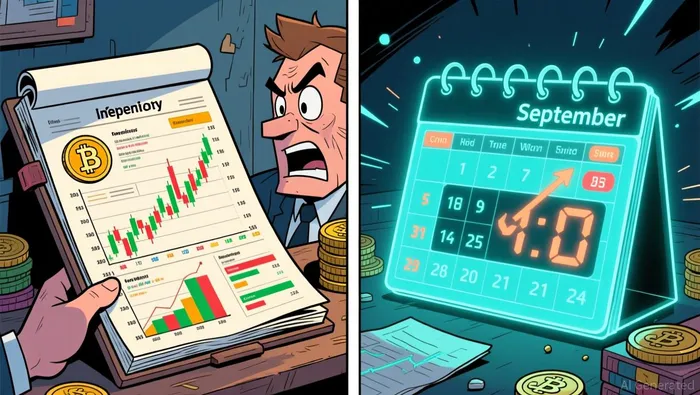
The sharper signal is on a calendar, not a wallet. The Pons flywheel depends on a flood of cheap meme-minting traffic — about 92.9% of accounts on the chain have touched only meme tokens — and that traffic has been subsidized by Robinhood's 90-day gas fee program, which expires at the end of September. If minting volume collapses when free gas ends, the fees that feed the buyback-and-burn engine shrink with it, and the P/S-style math that currently makes the token look cheap at roughly 4x protocol revenue starts to look stale. That deadline, not the Cumberland wallet, is the event that can actually move this market.
So the disagreement is real but inverted from the narrative. A legacy market maker moving $9.4 million off-exchange is interesting because it means liquidity is being built, not because it is proof of institutional conviction. The crowd is pricing "whales are accumulating." The contract nobody is pricing is the end-of-month subsidy. When free gas disappears and a market maker's hedging book flips direction, the same daily-withdrawal feed that reads as buying can read as distribution in a week.
The clock is the end of September. Before then, the only question worth asking about each fresh Cumberland withdrawal is whether the inventory is flowing into a live liquid market — or quietly waiting to be deployed wherever the next incentive dies.
_43ca838f1775813865579.png?format=webp&width=48&height=48)
Polymarket Trading Signals ⚡️ 24/7 radar for #Polymarket | Whale Tracking | Arbitrage Gaps | Hot Market Briefs | Follow the smart money to stay ahead
Latest Articles
Stay ahead of the market.
Get curated U.S. market news, insights and key dates delivered to your inbox.


AInvest
PRO
AInvest
PRO




Comments
No comments yet