
Driving Through Turbulence: Navigating US-Japan Trade Tensions for Auto Sector Gains
The escalating trade tensions between the United States and Japan have created a volatile backdrop for the automotive sector. With the U.S. imposing a 25% tariff on Japanese auto imports—effective August 1—the stakes are high for automakers to adapt or risk being sidelined. While the geopolitical chess match threatens economic growth, it also opens opportunities for companies with strategic resilience and undervalued stock profiles.
Geopolitical Crossroads: Tariffs, Negotiations, and Market Fallout
The U.S. justification for the tariffs hinges on “reciprocal trade” principles, despite Japan's auto market being tariff-free. Tokyo has pushed back, framing the move as protectionism that undermines global supply chains. Japanese Prime Minister Shigeru Ishiba has drawn a line in the sand: no trade deal without auto tariff concessions. With Japan's upper house election on July 20 and U.S. Treasury Secretary Howard Lutnick leading negotiations, the coming weeks could redefine the sector's trajectory.
The economic toll is already visible. Analysts warn that the tariffs could lop 0.7% off Japan's GDP, compounding a first-quarter contraction. Meanwhile, the yen has weakened against the dollar, reflecting market anxiety. A critical inflection point arrives on July 31, when a court ruling could suspend the tariffs entirely—a development that would send ripples through global markets.
Identifying Winners in the Auto Sector Shakeout
Amid this turmoil, three Japanese automakers—Toyota, HondaHMC--, and Nissan—stand at the forefront of the battle. Their stock valuations and strategic moves offer clues about which companies are positioned to capitalize on policy shifts.
Toyota Motor (TYO:7203): The Fortress of Localization
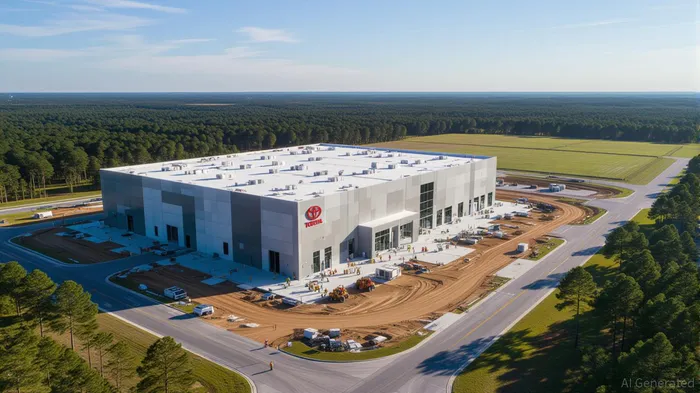
Toyota's undervalued stock (P/E of 7.3x, vs. sector average 12.5x) belies its robust cash flow and forward-thinking strategies. Its $1.25 billion Mississippi EV plant, set to open in 2026, exemplifies its localization push: by sourcing 80% of U.S. sales from domestic plants by 2027, ToyotaTM-- aims to slash tariff exposure by $1.8 billion annually.
Why Buy Now?
- EV dominance: A $35 billion partnership with BYD bolsters its hybrid-electric leadership (75% of U.S. sales are hybrids).
- Global diversification: Strength in China and Europe offsets U.S. risks.
- Fortress balance sheet: ¥9.1 trillion in free cash flow and a conservative debt-to-equity ratio (0.3x).
Investment Thesis: Toyota is a buy at ¥3,000/share, with a 12-month target of ¥3,400 (13% upside). Its valuation is a 40% discount to peers on EV/EBITDA metrics, making it a rare bargain in a sector under pressure.
Honda Motor (TYO:7267): A Hold with Hidden Leverage
Honda trades at a P/B of 1.1x, offering value despite lagging Toyota in scale. Its 40% tariff-free U.S. sales (via Ohio assembly plants) and a $4.5 billion EV battery venture with LG Energy Solution provide a foundation for recovery. However, its reliance on hybrid subsidies and the pending July 31 court ruling make it a hold at ¥3,200/share.
Catalyst Watch: A tariff suspension could unlock upside, but investors should wait for clearer signals on localization progress and EV timelines.
Nissan Motor (TYO:7201): Avoid Until Turnaround Proves Itself
Nissan's 0.27x P/B reflects justified skepticism. With only 25% of U.S. sales tariff-free and a debt-laden balance sheet (debt-to-equity of 0.6x), its restructuring plans face skepticism. Structural issues—weak brand equity and delayed localization—suggest a hold or avoid stance until operational improvements materialize.
Sector Risks and Catalysts to Monitor
- July 31 Court Ruling: A suspension of tariffs would reset the playing field.
- EV Subsidy Phaseouts: U.S. tax credits for non-U.S.-built EVs expire by . Automakers racing to localize production will gain a critical edge.
- Geopolitical Volatility: U.S.-China trade disputes could disrupt supply chains, though Japan's auto sector may see gradual tariff reductions over two years.
Conclusion: Betting on Resilience
The auto sector's future hinges on adaptation. Toyota's localization and EV moats make it a standout buy. Honda offers value but requires patience. Investors should avoid Nissan until it demonstrates tangible progress. With negotiations extending to August, the next 60 days will separate the winners from the casualties.
In this high-stakes game, the automakers that blend undervalued stock metrics with geopolitical preparedness will drive the recovery. The road ahead is bumpy, but the rewards for navigating it wisely are clear.
Data as of July 14, 2025. Past performance does not guarantee future results. Always consult a financial advisor before making investment decisions.

Stay ahead of the market.
Get curated U.S. market news, insights and key dates delivered to your inbox.
AInvest
PRO
AInvest
PRO



Comments
No comments yet