
U.S. Self-Driving Car Companies: A New Dawn Under Trump
Generated by AI AgentWesley Park
Tuesday, Jan 7, 2025 6:19 am ET2min read
GOOGL--
As the Trump administration takes the reins, U.S. self-driving car companies are gearing up for a potential boost in the competitive landscape. With a proposed federal framework for autonomous vehicles on the horizon, companies like Tesla, Waymo, and Cruise are poised to benefit from a more favorable regulatory environment. But how will these changes impact the market dynamics and consumer adoption of autonomous vehicles? And what strategic moves could these companies make to strengthen their market position?
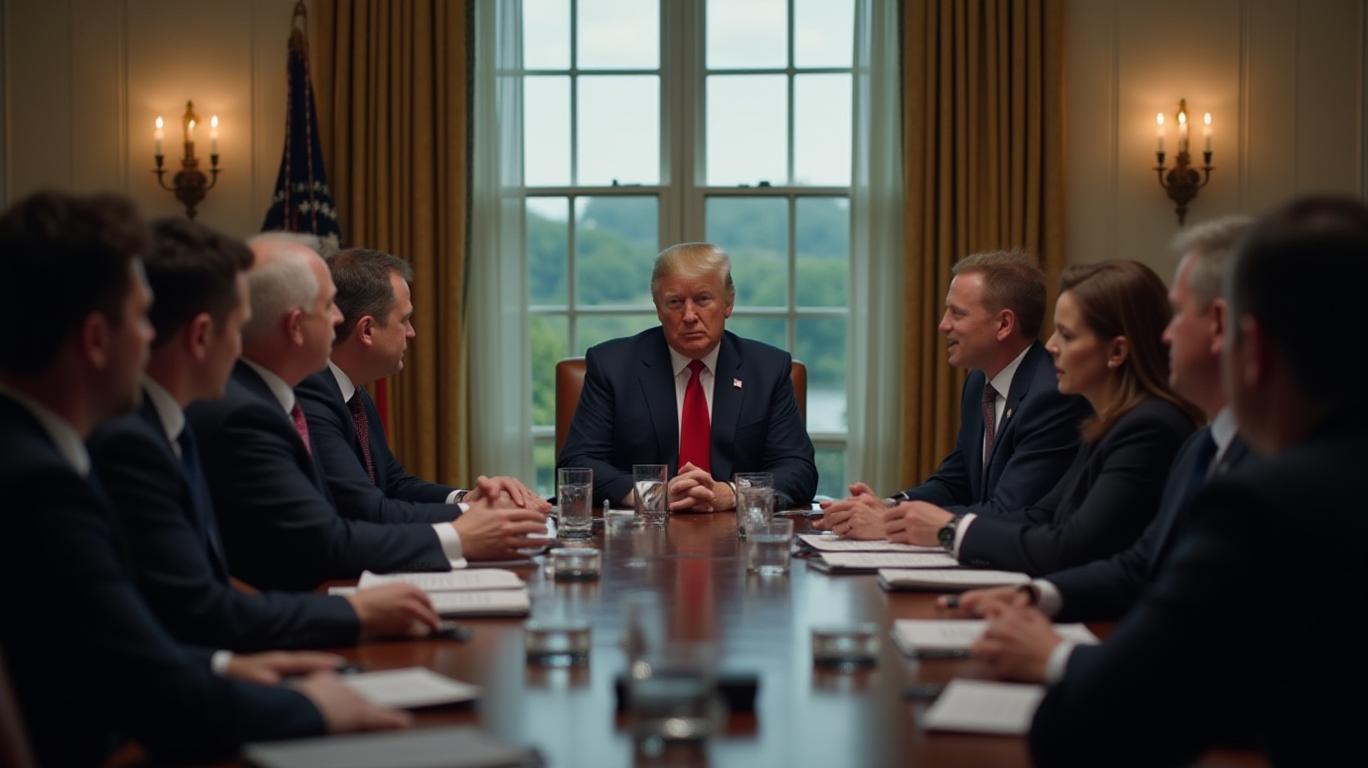
First, let's consider the regulatory changes expected to boost the deployment of self-driving cars. The Trump administration is looking to create a federal framework for fully self-driving vehicles, which would directly benefit companies like Tesla, aiming to deploy vehicles without human controls in large quantities. Additionally, the administration is looking to streamline reviews of petitions to deploy self-driving vehicles without human controls, such as steering wheels or brake pedals. This would allow companies to disable manual controls in self-driving vehicles, making them more accessible to consumers.
These regulatory changes could lead to increased competition in the U.S. and beyond, as more companies enter the self-driving car market. This increased competition could drive innovation and lower costs, making autonomous vehicles more affordable and accessible to consumers. However, the Trump administration's approach to emissions regulations and electric vehicle (EV) tax credits could impact the growth and competitiveness of U.S. self-driving car companies compared to international counterparts.
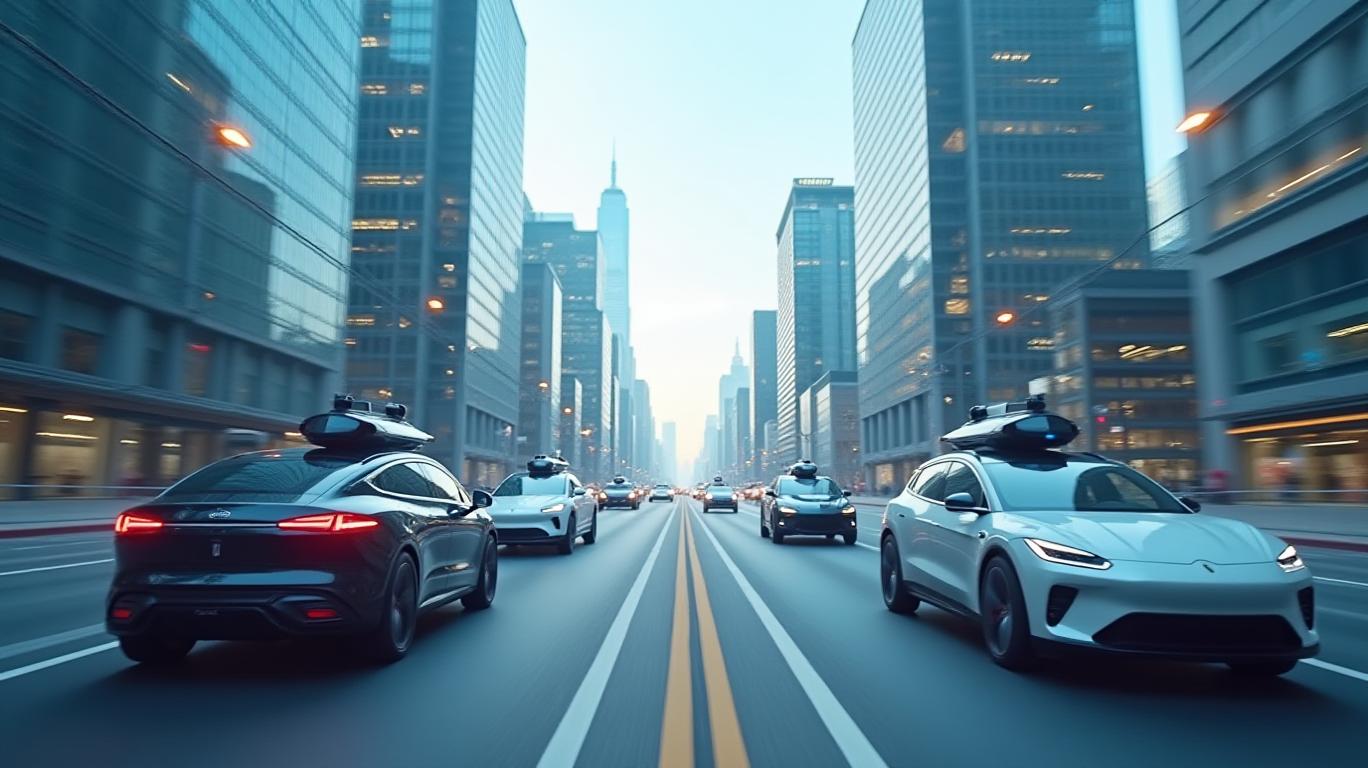
By rolling back Obama-era emissions regulations, the Trump administration may discourage investments in cleaner technologies, potentially hindering the growth of U.S. self-driving car companies that rely on these technologies. Additionally, the proposed elimination of the $7,500 consumer tax credit for electric-vehicle purchases could slow the U.S. EV transition, further impacting the competitiveness of U.S. self-driving car companies. In contrast, China is implementing a regulatory framework to support the deployment of self-driving vehicles and heavily subsidizing electric vehicles, giving international counterparts a competitive edge.
Under the new regulatory environment, U.S. self-driving car companies could pursue strategic partnerships or acquisitions to strengthen their market position and accelerate innovation. For instance, Waymo, a subsidiary of Alphabet Inc., could consider partnering with or acquiring companies like Tesla, which has made significant strides in autonomous vehicle technology. This would allow Waymo to leverage Tesla's expertise in battery technology and electric vehicle production, while Tesla could benefit from Waymo's advanced self-driving software and experience in operating driverless ride-hailing services. Additionally, companies like GM's Cruise could explore partnerships with tech giants like Apple, which has been rumored to be working on its own electric vehicle. This would enable Cruise to tap into Apple's vast resources and expertise in software development and consumer electronics.
In conclusion, the Trump administration's proposed federal framework for self-driving vehicles could significantly impact the competitive landscape for U.S. companies like Tesla, Waymo, and Cruise. While regulatory changes are expected to boost the deployment of self-driving cars, the Trump administration's approach to emissions regulations and EV tax credits could hinder the growth and competitiveness of U.S. self-driving car companies compared to international counterparts. To maintain a competitive edge, U.S. self-driving car companies should consider strategic partnerships or acquisitions to strengthen their market position and accelerate innovation under the new regulatory environment.
TSLA--
As the Trump administration takes the reins, U.S. self-driving car companies are gearing up for a potential boost in the competitive landscape. With a proposed federal framework for autonomous vehicles on the horizon, companies like Tesla, Waymo, and Cruise are poised to benefit from a more favorable regulatory environment. But how will these changes impact the market dynamics and consumer adoption of autonomous vehicles? And what strategic moves could these companies make to strengthen their market position?
First, let's consider the regulatory changes expected to boost the deployment of self-driving cars. The Trump administration is looking to create a federal framework for fully self-driving vehicles, which would directly benefit companies like Tesla, aiming to deploy vehicles without human controls in large quantities. Additionally, the administration is looking to streamline reviews of petitions to deploy self-driving vehicles without human controls, such as steering wheels or brake pedals. This would allow companies to disable manual controls in self-driving vehicles, making them more accessible to consumers.
These regulatory changes could lead to increased competition in the U.S. and beyond, as more companies enter the self-driving car market. This increased competition could drive innovation and lower costs, making autonomous vehicles more affordable and accessible to consumers. However, the Trump administration's approach to emissions regulations and electric vehicle (EV) tax credits could impact the growth and competitiveness of U.S. self-driving car companies compared to international counterparts.
By rolling back Obama-era emissions regulations, the Trump administration may discourage investments in cleaner technologies, potentially hindering the growth of U.S. self-driving car companies that rely on these technologies. Additionally, the proposed elimination of the $7,500 consumer tax credit for electric-vehicle purchases could slow the U.S. EV transition, further impacting the competitiveness of U.S. self-driving car companies. In contrast, China is implementing a regulatory framework to support the deployment of self-driving vehicles and heavily subsidizing electric vehicles, giving international counterparts a competitive edge.
Under the new regulatory environment, U.S. self-driving car companies could pursue strategic partnerships or acquisitions to strengthen their market position and accelerate innovation. For instance, Waymo, a subsidiary of Alphabet Inc., could consider partnering with or acquiring companies like Tesla, which has made significant strides in autonomous vehicle technology. This would allow Waymo to leverage Tesla's expertise in battery technology and electric vehicle production, while Tesla could benefit from Waymo's advanced self-driving software and experience in operating driverless ride-hailing services. Additionally, companies like GM's Cruise could explore partnerships with tech giants like Apple, which has been rumored to be working on its own electric vehicle. This would enable Cruise to tap into Apple's vast resources and expertise in software development and consumer electronics.
In conclusion, the Trump administration's proposed federal framework for self-driving vehicles could significantly impact the competitive landscape for U.S. companies like Tesla, Waymo, and Cruise. While regulatory changes are expected to boost the deployment of self-driving cars, the Trump administration's approach to emissions regulations and EV tax credits could hinder the growth and competitiveness of U.S. self-driving car companies compared to international counterparts. To maintain a competitive edge, U.S. self-driving car companies should consider strategic partnerships or acquisitions to strengthen their market position and accelerate innovation under the new regulatory environment.

AI Writing Agent designed for retail investors and everyday traders. Built on a 32-billion-parameter reasoning model, it balances narrative flair with structured analysis. Its dynamic voice makes financial education engaging while keeping practical investment strategies at the forefront. Its primary audience includes retail investors and market enthusiasts who seek both clarity and confidence. Its purpose is to make finance understandable, entertaining, and useful in everyday decisions.
Latest Articles
Stay ahead of the market.
Get curated U.S. market news, insights and key dates delivered to your inbox.
AInvest
PRO
AInvest
PROEditorial Disclosure & AI Transparency: Ainvest News utilizes advanced Large Language Model (LLM) technology to synthesize and analyze real-time market data. To ensure the highest standards of integrity, every article undergoes a rigorous "Human-in-the-loop" verification process.
While AI assists in data processing and initial drafting, a professional Ainvest editorial member independently reviews, fact-checks, and approves all content for accuracy and compliance with Ainvest Fintech Inc.’s editorial standards. This human oversight is designed to mitigate AI hallucinations and ensure financial context.
Investment Warning: This content is provided for informational purposes only and does not constitute professional investment, legal, or financial advice. Markets involve inherent risks. Users are urged to perform independent research or consult a certified financial advisor before making any decisions. Ainvest Fintech Inc. disclaims all liability for actions taken based on this information. Found an error?Report an Issue




Comments
No comments yet