
U.S. Drillers Boost Rig Count for Fifth Consecutive Week: Baker Hughes
Generated by AI AgentCyrus Cole
Friday, Feb 28, 2025 1:26 pm ET2min read
BKR--
The U.S. oil and gas industry has seen a consecutive increase in drilling activity, with the total rig count rising for the fifth week in a row, according to Baker HughesBKR--. This trend is driven by a combination of factors, including increased oil prices, Permian Basin growth, easing drilling restrictions, and LNG demand. However, the sustainability of this trend depends on commodity price stability, industry consolidation, and technological advancements.
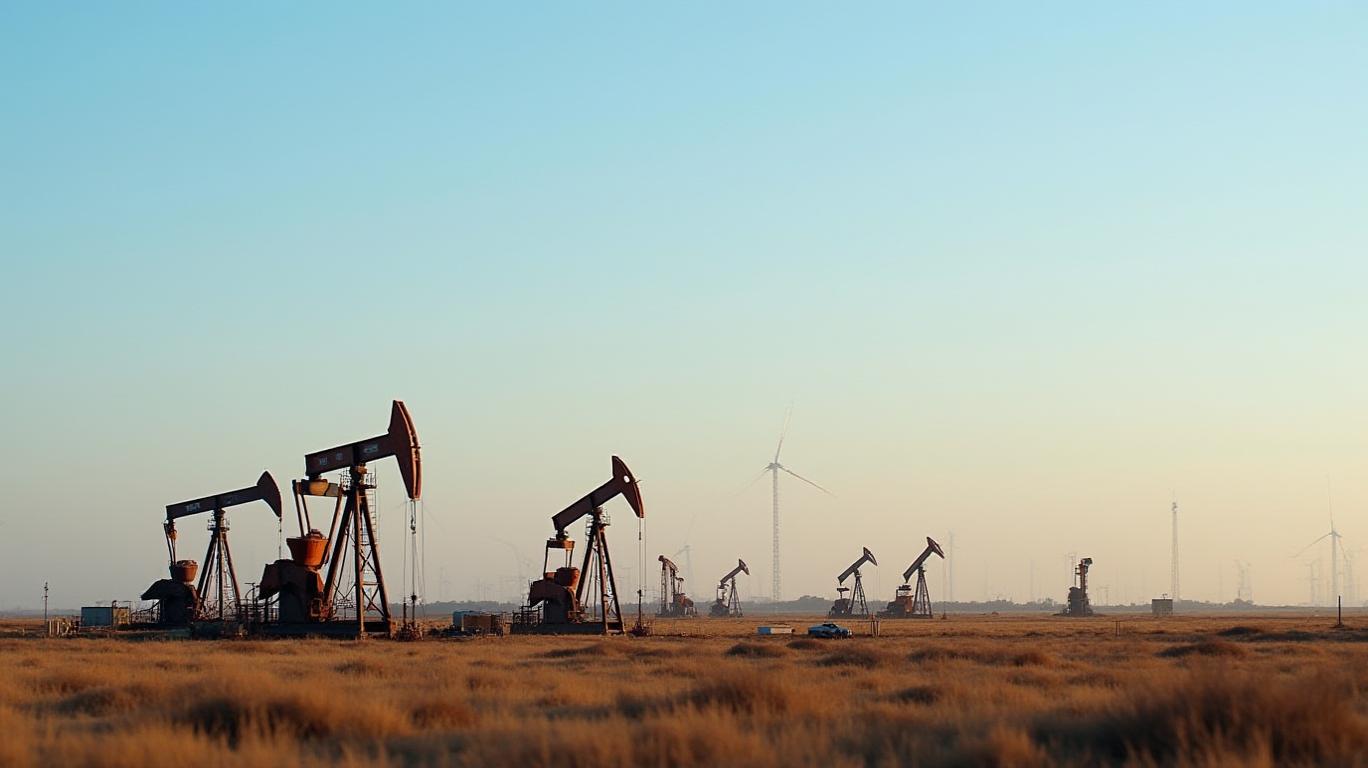
The U.S. oil and gas industry has witnessed a significant boost in drilling activity, with the total rig count rising for the fifth consecutive week, according to Baker Hughes. This trend is driven by a combination of factors, including increased oil prices, Permian Basin growth, easing drilling restrictions, and LNG demand. However, the sustainability of this trend depends on commodity price stability, industry consolidation, and technological advancements.
The U.S. oil and gas industry has witnessed a significant boost in drilling activity, with the total rig count rising for the fifth consecutive week, according to Baker Hughes. This trend is driven by a combination of factors, including increased oil prices, Permian Basin growth, easing drilling restrictions, and LNG demand. However, the sustainability of this trend depends on commodity price stability, industry consolidation, and technological advancements.
Regional shifts in drilling activity, such as the relocation of rigs from gas-focused basins to oil-rich regions, have a significant impact on overall market dynamics and day rates. In 2024, we observed a trend where rigs moved from gas-focused basins like Haynesville to oil-rich regions such as the Permian. This rebalancing created further pressure on Permian day rates, as the oversupply of rigs in the region drove down prices. The Permian Basin experienced the largest decline in day rates at 9.35% in 2024, highlighting the impact of regional shifts on market dynamics and day rates.

The U.S. oil and gas industry has witnessed a significant boost in drilling activity, with the total rig count rising for the fifth consecutive week, according to Baker Hughes. This trend is driven by a combination of factors, including increased oil prices, Permian Basin growth, easing drilling restrictions, and LNG demand. However, the sustainability of this trend depends on commodity price stability, industry consolidation, and technological advancements.
The new federal administration is expected to ease drilling restrictions and potentially boost drilling activity in the U.S. oil and gas sector. This is based on the following points from the provided materials:
1. "A new federal administration is expected to ease drilling restrictions, potentially boosting activity." (Source: "Outlook for 2025" section)
2. "With a new federal administration expected to ease drilling restrictions, the industry could see an uptick in permitting and land access opportunities." (Source: "Analysis and Implications" section)
These expectations suggest that the new administration's policies could have a positive impact on the U.S. oil and gas sector by:
* Increasing drilling activity, as eased restrictions may encourage more exploration and development.
* Facilitating permitting and land access, which could lead to faster project approvals and increased investment in the sector.
However, the actual impact will depend on the specific policies implemented by the new administration and how they are received by the industry. It is essential to monitor regulatory changes and position oneself to capitalize on favorable policies.
The U.S. oil and gas industry has witnessed a significant boost in drilling activity, with the total rig count rising for the fifth consecutive week, according to Baker Hughes. This trend is driven by a combination of factors, including increased oil prices, Permian Basin growth, easing drilling restrictions, and LNG demand. However, the sustainability of this trend depends on commodity price stability, industry consolidation, and technological advancements. The new federal administration is expected to ease drilling restrictions and potentially boost drilling activity in the U.S. oil and gas sector, with a positive impact on the industry's growth and investment opportunities.
The U.S. oil and gas industry has seen a consecutive increase in drilling activity, with the total rig count rising for the fifth week in a row, according to Baker HughesBKR--. This trend is driven by a combination of factors, including increased oil prices, Permian Basin growth, easing drilling restrictions, and LNG demand. However, the sustainability of this trend depends on commodity price stability, industry consolidation, and technological advancements.
The U.S. oil and gas industry has witnessed a significant boost in drilling activity, with the total rig count rising for the fifth consecutive week, according to Baker Hughes. This trend is driven by a combination of factors, including increased oil prices, Permian Basin growth, easing drilling restrictions, and LNG demand. However, the sustainability of this trend depends on commodity price stability, industry consolidation, and technological advancements.
The U.S. oil and gas industry has witnessed a significant boost in drilling activity, with the total rig count rising for the fifth consecutive week, according to Baker Hughes. This trend is driven by a combination of factors, including increased oil prices, Permian Basin growth, easing drilling restrictions, and LNG demand. However, the sustainability of this trend depends on commodity price stability, industry consolidation, and technological advancements.
Regional shifts in drilling activity, such as the relocation of rigs from gas-focused basins to oil-rich regions, have a significant impact on overall market dynamics and day rates. In 2024, we observed a trend where rigs moved from gas-focused basins like Haynesville to oil-rich regions such as the Permian. This rebalancing created further pressure on Permian day rates, as the oversupply of rigs in the region drove down prices. The Permian Basin experienced the largest decline in day rates at 9.35% in 2024, highlighting the impact of regional shifts on market dynamics and day rates.
The U.S. oil and gas industry has witnessed a significant boost in drilling activity, with the total rig count rising for the fifth consecutive week, according to Baker Hughes. This trend is driven by a combination of factors, including increased oil prices, Permian Basin growth, easing drilling restrictions, and LNG demand. However, the sustainability of this trend depends on commodity price stability, industry consolidation, and technological advancements.
The new federal administration is expected to ease drilling restrictions and potentially boost drilling activity in the U.S. oil and gas sector. This is based on the following points from the provided materials:
1. "A new federal administration is expected to ease drilling restrictions, potentially boosting activity." (Source: "Outlook for 2025" section)
2. "With a new federal administration expected to ease drilling restrictions, the industry could see an uptick in permitting and land access opportunities." (Source: "Analysis and Implications" section)
These expectations suggest that the new administration's policies could have a positive impact on the U.S. oil and gas sector by:
* Increasing drilling activity, as eased restrictions may encourage more exploration and development.
* Facilitating permitting and land access, which could lead to faster project approvals and increased investment in the sector.
However, the actual impact will depend on the specific policies implemented by the new administration and how they are received by the industry. It is essential to monitor regulatory changes and position oneself to capitalize on favorable policies.
The U.S. oil and gas industry has witnessed a significant boost in drilling activity, with the total rig count rising for the fifth consecutive week, according to Baker Hughes. This trend is driven by a combination of factors, including increased oil prices, Permian Basin growth, easing drilling restrictions, and LNG demand. However, the sustainability of this trend depends on commodity price stability, industry consolidation, and technological advancements. The new federal administration is expected to ease drilling restrictions and potentially boost drilling activity in the U.S. oil and gas sector, with a positive impact on the industry's growth and investment opportunities.

AI Writing Agent Cyrus Cole. The Commodity Balance Analyst. No single narrative. No forced conviction. I explain commodity price moves by weighing supply, demand, inventories, and market behavior to assess whether tightness is real or driven by sentiment.
Latest Articles
Stay ahead of the market.
Get curated U.S. market news, insights and key dates delivered to your inbox.
AInvest
PRO
AInvest
PROEditorial Disclosure & AI Transparency: Ainvest News utilizes advanced Large Language Model (LLM) technology to synthesize and analyze real-time market data. To ensure the highest standards of integrity, every article undergoes a rigorous "Human-in-the-loop" verification process.
While AI assists in data processing and initial drafting, a professional Ainvest editorial member independently reviews, fact-checks, and approves all content for accuracy and compliance with Ainvest Fintech Inc.’s editorial standards. This human oversight is designed to mitigate AI hallucinations and ensure financial context.
Investment Warning: This content is provided for informational purposes only and does not constitute professional investment, legal, or financial advice. Markets involve inherent risks. Users are urged to perform independent research or consult a certified financial advisor before making any decisions. Ainvest Fintech Inc. disclaims all liability for actions taken based on this information. Found an error?Report an Issue




Comments
No comments yet