
Dow's Volatile Week: Trump-Powell Clash and Tariffs Shake Markets
The Dow Jones Industrial Average faced its most turbulent week in decades as political tensions and tariff uncertainties sent investors reeling. Here’s why markets are on edge—and what to watch next.
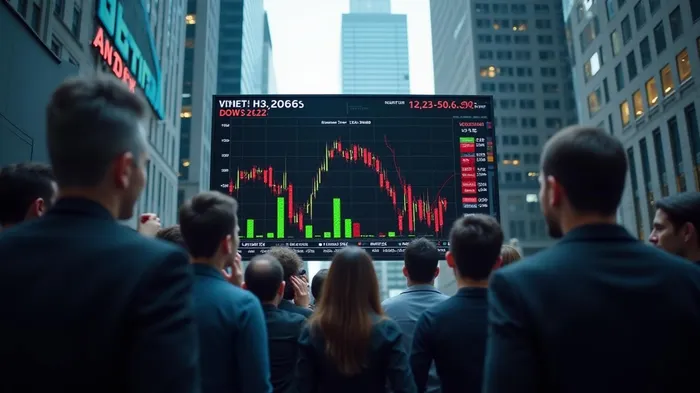
The Spark: Trump’s Assault on Fed Independence
The week’s turmoil began on April 22, when President Trump’s Truth Social posts calling Fed Chair Jerome Powell a “major loser” and “too late” sparked a 970-point Dow plunge. Markets interpreted the rhetoric as a threat to the Fed’s independence, with futures diving 0.2% overnight.
Key Quote:
> “I never had any intention of firing Powell,” Trump backtracked on April 23, after advisers warned of legal chaos. The reversal sent Dow futures soaring 750 points—only to fall again as Powell’s warnings about tariff-driven stagflation took hold.
Tariffs: The Double-Edged Sword
Trump’s 145% China tariffs and 25% auto levies dominated headlines, with ripple effects across sectors:
- Tech Sector: Nvidia’s stock dropped 6.8% after a $5.5B charge from U.S. AI chip export bans.
- Consumer Goods: Powell warned tariffs would raise prices, with the IMF projecting a 0.6% global GDP hit.
Market Split:
- April 23: Dow futures jumped 500 points on hopes of tariff de-escalation.
- April 28: The S&P 500 fell 2.4%, as China threatened retaliatory sanctions.
Why Investors Are Nervous
- Stagflation Risks: Powell’s April 25 speech highlighted the “stagflationary shock” of tariffs—higher inflation, slower growth, and rising unemployment.
- Policy Whiplash: Trump’s inconsistent tariff exemptions (e.g., tech vs. autos) left markets guessing.
- Safe-Haven Surge: Gold hit a record $3,440/oz, while the dollar index fell to a three-year low.
What’s Next?
- Fed Policy: Markets price in 3–4 rate cuts by year-end, but Powell’s “wait-and-see” stance adds uncertainty.
- Trade Talks: Bessent’s hints at a U.S.-China deal versus ongoing tariff threats create a “damaged goods” market.
Conclusion: Navigating the Storm
The Dow’s volatility underscores a stark reality: U.S. economic policy has become a geopolitical weapon. Investors face a high-risk landscape with these takeaways:
1. Sector Rotation: Flee cyclical stocks (cars, semiconductors) for defensive plays (utilities, consumer staples).
2. Dollar Decline: Consider diversifying into euros or yen as the greenback weakens.
3. Gold as Insurance: The metal’s record highs suggest safe-haven demand will persist.
As Trump and Powell’s clash continues, one thing is clear: market stability hinges on policy clarity—and that’s in short supply.
Data sources: Federal Reserve, IMF, WSJ, CNN Business.

Stay ahead of the market.
Get curated U.S. market news, insights and key dates delivered to your inbox.






Comments
No comments yet