
Dow Jones Tumbles as Tech Stocks Stumble: What Investors Need to Know
 Aime Summary
The U.S. stock market has entered a period of choppy waters. On Friday, December 12, 2025, the Dow Jones Industrial Average closed down 0.5% to 48,458.05, the S&P 500 fell 1.1%, and the Nasdaq Composite dropped 1.7%—its worst day in three weeks. Much of the pain came from tech-heavy names like BroadcomAVGO-- and OracleORCL--, which fell 11% and nearly 11%, respectively, despite strong earnings reports. For investors, the question is no longer just about whether the market is up or down, but 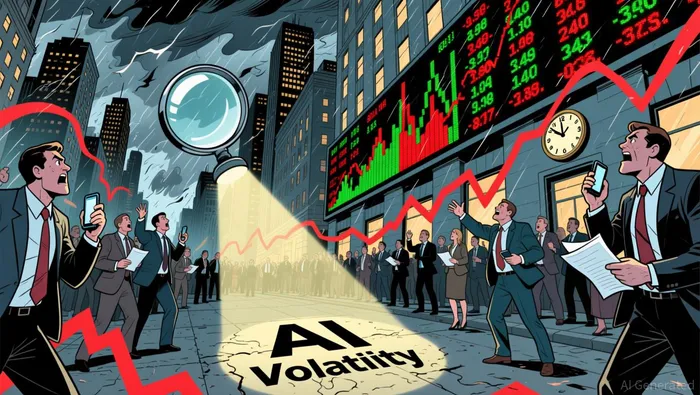 what this volatility means for the broader economy and future growth expectations.
What happened in the markets on December 12, 2025
The day's action was defined by a sharp correction in the tech sector, which had driven much of the market's gains earlier in the year. Broadcom (AVGO), a key component of both the S&P 500 and Nasdaq, fell more than 11% despite beating earnings expectations and offering strong guidance on AI chip sales. Oracle (ORCL) also dropped nearly 11%, dragging down the tech sector and triggering a broader selloff.
The Dow, in contrast, held up better. While it closed lower than the previous day's record high, it still edged closer to a new milestone. The index rose 0.26% to 48,829.03, signaling that not all sectors were suffering from the same headwinds.
The role of AI stocks in the decline
The tech selloff was largely driven by concerns around the sustainability of AI-driven growth. Broadcom and Oracle, both key names in AI infrastructure and cloud services, raised questions about whether the sector's optimism is justified. For instance, Broadcom's drop came even after it reported stronger-than-expected results and offered upbeat guidance. Yet, investors appeared to price in concerns over the timing and profitability of AI hardware sales.
Oracle's sharp drop was even more telling. The company had previously set expectations for robust AI and cloud growth, but its earnings report suggested that cloud demand may be cooling faster than anticipated. Analysts noted that Oracle's cloud sales came in below forecasts, reigniting fears that the AI spending boom may be slowing.
Broader market context: record highs and volatility
Just a day before the selloff, the market had hit record highs. On Thursday, the S&P 500 and Dow both closed at new all-time highs, with the Dow jumping 1.3% and the S&P 500 edging past its previous record according to reports. The Federal Reserve also played a role in the week's mixed performance, having cut its main interest rate for the third time in 2025, bringing the federal funds rate down to between 3.5% and 3.75% according to economic data.
This volatility reflects a broader theme in 2025: markets are increasingly sensitive to shifts in interest rate expectations and economic data. Inflation remains stubbornly close to 3%, and the labor market remains strong, with jobless claims rising unexpectedly to 236,000 in late December according to official figures. The result is a tug-of-war between optimism over rate cuts and concerns about whether the economy is overheating or cooling too quickly.
What this means for investors and the year ahead
For investors, the key takeaway is the importance of diversification. While tech stocks have driven much of the market's gains in recent years, the recent selloff suggests that overreliance on a single sector—particularly one as speculative as AI—can expose portfolios to significant risk. Some analysts recommend rotating into more defensive or cyclical sectors, such as financials and industrials, which saw gains on the same day according to market analysis.
Looking ahead, the market is now pricing in a 58% chance of additional rate cuts in 2026, according to current market expectations.
Conclusion: Looking forward with caution and clarity
The stock market in 2025 has been defined by both record highs and sudden selloffs. The events of December 12 underscore how quickly sentiment can shift, especially in tech-driven markets. While long-term trends like AI adoption and global digitization remain intact, investors are being reminded that short-term volatility is part of the landscape.
In the coming months, the focus will likely turn to earnings and whether companies can deliver on their AI-driven growth promises. For now, the message is clear: while the market has room to grow, it's important to stay grounded and avoid chasing hype without hard data to back it up.

Delivering real-time insights and analysis on emerging financial trends and market movements.
Latest Articles
Stay ahead of the market.
Get curated U.S. market news, insights and key dates delivered to your inbox.
AInvest
PRO
AInvest
PRO



Comments
No comments yet