
Dow Jones Stock Markets Deteriorate as Fed Holds Rates and Oil Prices Surge
 Aime Summary
, 2026, citing uncertainty from the U.S.-led war in the Middle East and its impact on inflation.
U.S. stocks declined sharply, , , , as investors reacted to the Fed's rate decision and rising oil prices.
, driven by the ongoing war with Iran, which has disrupted the Persian Gulf energy sector and increased inflationary pressures.
Market expectations for rate cuts in 2026 have weakened, , as uncertainty over inflation and geopolitical tensions grows.
Analysts warn that the Fed faces a delicate balancing act between maintaining inflation control and supporting the fragile labor market as it navigates the fallout from the Middle East conflict.
The U.S. stock market is reeling from a major shock as the Federal Reserve chose to keep interest rates unchanged, defying expectations that it would begin easing policy in 2026. The Fed cited uncertainty over the economic implications of the war with Iran and rising oil prices, which have driven inflation higher and complicated the central bank's dual mandate of price stability and full employment. The decision has sent shockwaves through Wall Street, with major indices like the S&P 500 and Nasdaq posting sharp declines.
The Fed's decision to hold rates steady means that investors will have to wait longer for relief in the form of lower borrowing costs, which have been a key driver of stock market performance in recent years. The central bank emphasized that it remains committed to its 2% inflation target and is closely monitoring developments in the Middle East, particularly as oil prices climb and the global economic outlook becomes increasingly uncertain. Fed Chair Jerome Powell underscored the importance of maintaining the current rate level until there is clearer evidence that inflation is coming under control and the labor market is stabilizing.
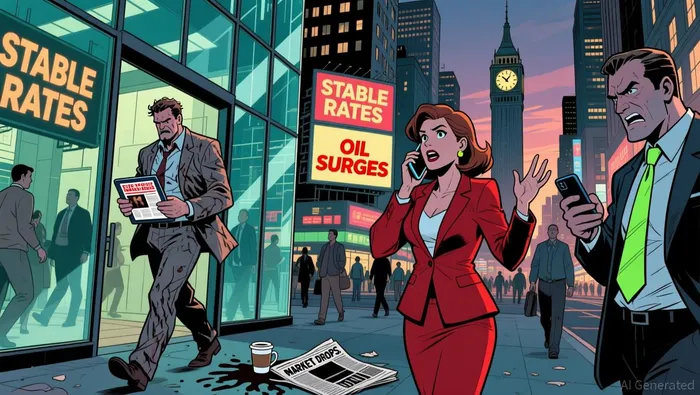
What Is Driving the Dow Jones Stock Markets Down Today?
The immediate culprit behind the sharp market sell-off is a combination of the Fed's decision to keep rates at 3.5% and surging oil prices linked to the U.S.-Iran conflict. The Fed's rate decision came amid a hotter-than-expected report, which showed inflationary pressures building before the war even intensified. This has led to a significant reduction in the likelihood of a rate cut in 2026, with until December.
Investors are also reacting to rising oil prices, which have spiked due to attacks on Persian Gulf energy infrastructure and broader regional instability. Brent and West Texas Intermediate crude prices have both climbed significantly, . This surge has added to concerns about inflation, . The increased cost of energy is also weighing on consumers and businesses, with gasoline prices in the U.S. , .
Why Is the Fed Holding Rates Steady in a Time of Rising Inflation and Geopolitical Tension?
The Fed's decision to maintain its interest rate range reflects its cautious approach to managing inflation in a complex economic environment. While the central bank acknowledged that the war with Iran is elevating short-term inflation, it remains optimistic that the economy will return to its long-term goals of price stability and full employment. Officials project one rate cut in 2026, .
The Fed also highlighted the fragility of the labor market, noting that job gains have remained low and the unemployment rate has been largely unchanged in recent months. This has led to concerns about the potential for a , particularly if the war in the Middle East persists and disrupts global supply chains. The central bank emphasized that it will continue to monitor inflation expectations and adjust its projections as necessary, but it is not ready to commit to rate cuts until there is clearer evidence of progress on both inflation and employment.
What Should Investors Watch for in the Coming Weeks?
As the Fed's dual mandate of price stability and full employment becomes increasingly difficult to balance, investors should keep a close eye on several key developments in the coming weeks. First, the central bank's upcoming meetings will provide insight into how it plans to respond to the evolving economic landscape, particularly as it relates to inflation and the labor market. While the Fed has indicated that it will not cut rates in the near term, it may begin to adjust its messaging if inflation shows signs of cooling or if the war in the Middle East subsides.
Second, investors should monitor the market's reaction to oil prices and the broader energy sector. As crude prices continue to rise, energy companies are likely to benefit, while sectors like retail and consumer discretionary may struggle with weaker demand. This divergence in sector performance could create opportunities for investors who are able to identify which industries are best positioned to weather the economic uncertainty. According to market analysis, this sector shift could present significant investment opportunities.
Finally, the Fed's decision to hold rates steady has also had a significant impact on the bond market. Treasury yields have climbed in response to the central bank's hawkish stance, which has in turn put downward pressure on gold prices. This shift in investor sentiment highlights the importance of diversifying portfolios and being prepared for a range of possible outcomes in the months ahead. Financial analysts note that this environment could lead to increased volatility across asset classes.

Stay ahead of the market.
Get curated U.S. market news, insights and key dates delivered to your inbox.


AInvest
PRO
AInvest
PRO



Comments
No comments yet