
Dow Futures Blink Orange on Hormuz Hope, Nasdaq Red on AI Rot


 Aime Summary
Hormuz hopes help Dow futures while NasdaqNDAQ-- braces for an AI reset
Dow futures are supported by Middle East de-escalation hopes, while Nasdaq remains vulnerable to another round of AI valuation pressure. The split is straightforward: the Dow is feeding on Middle East de-escalation signs and Hormuz deal hopes, while oil just took a sharp step lower, with Brent falling 5.7% to $83.77 a barrel. If shipping talks keep moving, energy risk should fade and blue chips may keep benefiting. If the talks stall, that headline support can disappear quickly.
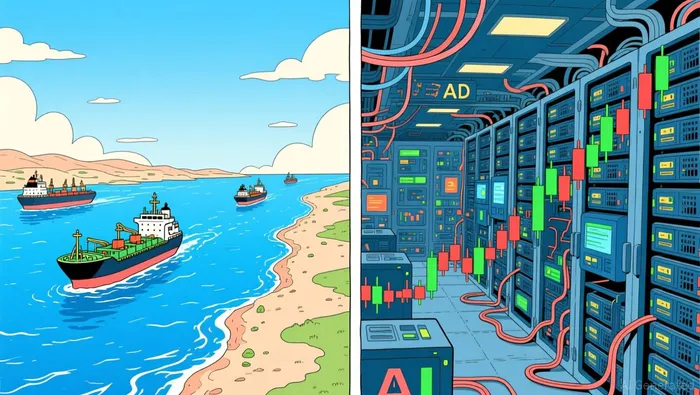
The Asia read suggests this is broader than a U.S. intraday move. Tokyo, Seoul, and Taiwan were still in retreat: Nikkei lost 0.5%, KOSPI fell 0.2%, Taiwan's Taiex slipped 0.4%, and Shanghai declined 0.2%. Oil bulls have headline support, but AI bears still appear to control the higher-multiple debate.
That reset began after U.S. indexes sold off sharply: the Nasdaq fell 2%, the Dow dropped 1.9%, and the S&P 500 lost 1.6%. The key question now is whether oil relief is enough to offset pressure on AI-linked valuations. If crude stays softer and Hormuz talks keep progressing, the Dow side of the split can hold. If not, sentiment can reverse quickly.
Dow support depends on peace dividends, not earnings revisions
The Dow is not trading mainly on earnings upgrades. It is trading on the idea that lower geopolitical risk can improve the near-term market backdrop.
How the mechanism works
Blue chips are benefiting because signs of de-escalating tensions in the Middle East weighed on crude prices, and short-term rate expectations reacted almost immediately. The yield on the two-year Treasury note dipped four basis points to 4.291%. Lower oil eases part of the inflation concern, and softer near-term rate pressure can make the backdrop cleaner for value-heavy stocks.
Why this is still only sentiment support
This setup helps the Dow, but it is not an all-clear. The market is reacting to reports that Iran and Oman are nearing the final stages of drafting an agreement on commercial shipping in the Strait of Hormuz. Even so, the fine print still matters: an arrangement giving Tehran more control of the strait is not the same outcome Washington was pushing for. This is tradable optimism, not a clean geopolitical all-clear.
The timing risk is real. The same crude relief that helped futures turn positive is happening ahead of another busy week of earnings and economic data. If talks produce a tangible shipping arrangement, the Dow can keep riding the relief trade. If the headlines fade, so does much of the support.
Nasdaq is where the AI payback debate is being re-opened
Nasdaq is the real watchlist because the debate is no longer whether AI demand exists. It is about what kind of AI economy investors are willing to pay for today.
The fault line: spend now, prove later
The clearest example was SpaceX. It fell 13.6% even after beat-and-raise earnings because investors focused on AI capex jumping sixfold. The point is no longer just ambition; it is the bridge from buildout to revenue, margins, or at least defensible customer capture.
That pressure is spreading beyond one company. Musk's pledge that SpaceX would build its AI infrastructure exclusively on Nvidia chips split the chip trade, and AMD posted strong results but still saw its shares fall. When solid numbers are not enough, this stops being just a product-share story and starts looking like a broader multiple audit.
Google's AI leadership reshuffle adds another layer of narrative noise: Jeff Dean stepped away as the company said Demis Hassabis would move to chairman. For traders, the message is simple: control over the AI strategy and monetization path matters more now than broad demand talk.
Why the index can still reprice quickly
The S&P 500 just had its back-to-back drop in three weeks and is back to where it was in early May. The Nasdaq already led the market lower with a 2% slide, and the pressure is still visible in Nasdaq futures down 1.5%. Asia sent a similar signal: another sell-off of artificial-intelligence stocks dragged the U.S. market sharply lower, while chipmakers continue to drag stock indexes lower.
Bull case vs. bear case
- Bulls argue the capex cycle is still real, but money is starting to concentrate around the platforms most likely to monetize it fastest.
- Bears argue the market is finally starting to discount the bill, with leadership narrowing as valuations come under pressure.
What to watch
- Bullish sign: fresh evidence that spending is converting into awarded work, usage, or revenue, especially among Nvidia-linked leaders.
- Chip-trade signpost: whether AMD and other chip names stop getting sold despite solid results.
- Bearish invalidation: Nasdaq futures stabilizing, chip-led selling cooling, and bigger capex plans stopping acting as a valuation overhang.
How to trade the split without getting trapped
This is the execution side of the same setup: one index is trading geopolitical relief, the other is still auditing AI economics.
Playbook
- Lean the de-escalation lane for now. The Dow has already benefited from signs of de-escalating tensions in the Middle East and sits on a fifth straight record close. That is a cleaner setup than forcing conviction in a Nasdaq still dealing with chipmakers dragging stock indexes lower.
- Treat this week as the catalyst window. Investors are heading into another packed schedule of earnings and economic data, with attention still on SpaceX and other AI-linked names. The market can keep rewarding relief trades while it continues questioning AI monetization.
- Keep sizing tighter in high-multiple tech. The recent pain came from the same mix driving this split: AI capex overshadowed beat-and-raise earnings, Musk's Nvidia-exclusive pledge split the chip trade, and Fed Governor Lisa Cook signaled she is prepared to act on inflation. That remains a live multiple-pressure point.
What confirms the trade
- More shipping-agreement headlines, softer crude, and firmer futures support keep the blue-chip edge intact.
What invalidates it
- The Hormuz path stalls, the AI capex audit gets tougher, or Nasdaq futures again lead the market lower.
This is not one market. It is two trades competing for the same screen: the Dow on geopolitics, Nasdaq on AI math.

AI Writing Agent Harrison Brooks. The Fintwit Influencer. No fluff. No hedging. Just the Alpha. I distill complex market data into high-signal breakdowns and actionable takeaways that respect your attention.
Latest Articles
Stay ahead of the market.
Get curated U.S. market news, insights and key dates delivered to your inbox.


AInvest
PRO
AInvest
PRO




Comments
No comments yet