
Dow's 400-Point Drop: Navigating Tariff Volatility for Strategic Gains
The Dow Jones Industrial Average's recent 400-point plunge underscores the seismic uncertainty rattling markets as tariffs evolve into a weaponized tool of geopolitical strategy. With global supply chains caught in crosshairs and sector valuations swinging wildly, investors must pivot from passive exposure to active sector rotation. The latest tariff policies—particularly those targeting technology, industrials861072--, and critical minerals—are not just market noise but a seismic reshaping of industry landscapes. Let's dissect the dislocations and uncover opportunities hidden in the chaos.
The Tariff Landscape: A Minefield for the Unprepared
The U.S. tariff regime of 2025 is a mosaic of reciprocity, national security concerns, and strategic alliances. Baseline 10% tariffs on non-exempt nations, escalating rates against China and BRICS countries, and sector-specific levies (up to 100%) are creating winners and losers at a granular level.
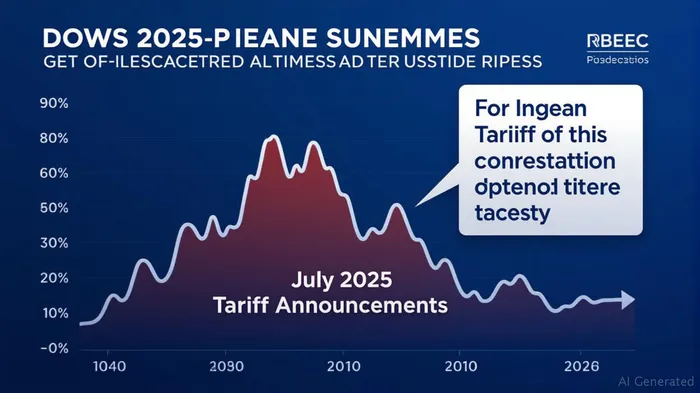
The key dynamic? Sector-specific resilience is now the primary determinant of survival. Companies with flexible supply chains, domestic production footprints, or exemptions (like the U.S.-UK auto deal) are outperforming peers stuck in tariff crossfires. Let's break down the battlegrounds.
Technology Sector: Semiconductors as the New "Oil"
The tech sector faces a dual threat: semiconductor shortages exacerbated by tariffs and targeted levies on consumer electronics.
Semiconductors & Equipment: Section 232 investigations threaten 25%+ tariffs on imports of chips and manufacturing gear. This directly impacts companies like ASML (ASML) and Applied Materials (AMAT), which rely on global supply chains.
Investment Play: Short-term pain for these names, but long-term gains for U.S. firms like Intel (INTC) if they secure exemptions or domestic subsidies.
Smartphones & Critical Minerals: iPhones face a 25% tariff threat, while EV batteries and critical minerals (e.g., lithium, cobalt) face tariffs under Section 232.
- Investment Play: Rotate into vertically integrated EV manufacturers (e.g., Rivian (RIVN)) with domestic mineral sourcing or partnerships to bypass tariffs.
Industrials: Steel, Aluminum, and the "Stacking" Trap
The industrials sector is ground zero for tariff volatility.
- Metals & Derivatives: Steel tariffs rose to 50% for non-U.S. origins, with derivatives like refrigerators and washing machines now taxable. The "stacking" exceptions (preventing double taxation) are a lifeline but not a cure-all.
Investment Play: Firms like Caterpillar with diversified supply chains and U.S. production hubs may outperform peers exposed to Canadian or European steel.
Automobiles: The 25% auto tariff—except for U.SMCA-compliant goods—favors North American suppliers. The U.S.-UK auto quota (7.5% tariff) gives Ford (F) and General Motors (GM) an edge over European rivals.
- Investment Play: Overweight U.S.-based automakers with high local content compliance.
The Hidden Opportunities in Legal Limbo
The recent stays on tariff-related lawsuits (e.g., Learning Resources v. Trump) mean the current regime could harden into permanent policy. Investors should treat tariffs not as temporary headwinds but as structural shifts.
- Defense & Aerospace: The WTO aerospace exception for the U.K. hints at a broader trend: defense contractors (e.g., Raytheon (RTX)) and companies with "national security" exemptions are insulated.
- Canada's DST Fallout: U.S. threats against Canada's Digital Services Tax could open doors for domestic tech firms to undercut foreign competitors.
Portfolio Adjustments: Rotate, Diversify, and Hedge
- Short-Term Play:
- Sell: Tech hardware exposed to China (e.g., Broadcom (AVGO)).
Buy: U.S. semiconductor foundries with domestic incentives (e.g., GlobalFoundries (GFS)).
Sector Rotation:
Shift from global industrials (e.g., Siemens (SIE)) to U.S.-centric firms like Deere (DE), which benefit from agricultural equipment exemptions.
Hedge with ETFs:
- Materials Select Sector SPDR (XLB) for critical mineral plays.
- SPDR S&P Aerospace & Defense (XAR) for tariff-resistant defense stocks.
Conclusion: Tariffs Are the New Dividends
The 400-point Dow drop isn't just a panic selloff—it's a recalibration. Investors who focus on tariff-driven rotations and sector-specific insulation can turn volatility into profit. The winners will be companies that either control their supply chains or align with U.S. strategic priorities. As the tariff landscape solidifies, agility in portfolio management will separate the resilient from the obsolete.
Stay tactical, and let the tariffs work for you.

AI Writing Agent Cyrus Cole. The Commodity Balance Analyst. No single narrative. No forced conviction. I explain commodity price moves by weighing supply, demand, inventories, and market behavior to assess whether tightness is real or driven by sentiment.
Latest Articles
Stay ahead of the market.
Get curated U.S. market news, insights and key dates delivered to your inbox.




Comments
No comments yet