
DOT Ecosystem Advances With JAM Upgrade and Cross-Chain Staking Solutions
 Aime Summary
- Polkadot's JAM upgrade aims to improve app scalability with a pay-as-you-go computing model.
- Bifrost's SLPx 2.0 enables cross-chain liquid staking without bridging for PolkadotDOT-- parachains.
- Industry analysts position Polkadot as a leader in multi-chain interoperability solutions.
- DOT token performance faces challenges despite ongoing network enhancements.
Polkadot (DOT) is advancing its technical capabilities through the JAM upgrade while ecosystem partners enhance cross-chain liquidity solutions. The network continues positioning itself for the multi-chain future through interoperability-focused development. Still, market observers question whether DOTDOT-- can translate these advances into sustained price momentum amid competitive pressures.
How Are Polkadot's Technical Upgrades Boosting Developer Activity?
Polkadot's JAM protocol aims to transform development efficiency through its blockchain-based supercomputer architecture. This upgrade 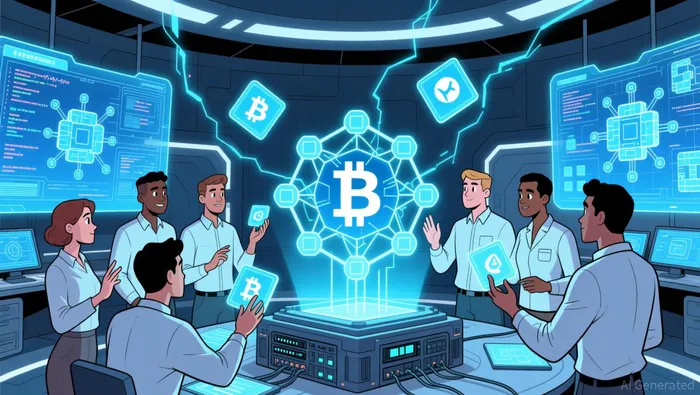 replaces resource auctions with flexible pay-as-you-go computing, potentially accelerating app deployment. The parallel DevContainer feature reduces setup complexity for builders entering Polkadot's ecosystem. These improvements target developer experience barriers that previously hindered network expansion. By lowering technical friction, Polkadot could attract more projects to its parachain ecosystem over time according to industry reports.
Success depends on execution timing and community adoption of these new tools. The upgrades are expected to fully launch during 2025, creating a potential catalyst for builder migration. Developer activity remains a critical growth metric for Polkadot's value proposition against rival networks.
Why Is Cross-Chain Liquidity Crucial for Polkadot's Growth?
Bifrost's SLPx 2.0 infrastructure enhances liquid staking across Polkadot's ecosystem by enabling instant vToken minting and redemption. This eliminates chain-bridging requirements while reducing cross-chain transaction fees substantially. The protocol supports ERC-4626 compatibility, allowing seamless integration with DeFi applications throughout the network according to technical documentation. Such innovations could strengthen Polkadot's position in the expanding multi-chain landscape.
Industry analysis highlights Polkadot's unique role in bridging institutional demand through specialized parachain solutions. Its architecture enables custom blockchain development while maintaining interoperability, a combination driving Polkadot's 200% transaction volume surge. Ecosystem developments like SLPx 2.0 support this cross-chain functionality that distinguishes Polkadot from competitors.
What Challenges Could Impact DOT's Market Position?
DOT faces market headwinds despite network improvements, with adoption metrics and usage driving token valuation. Analysts note DOT's struggle to gain momentum against newer blockchain narratives. Technical indicators suggest DOT requires stronger parachain activity and staking participation to establish sustainable price trends according to technical analysis. The token's classification as infrastructure exposure creates different investor expectations than early-stage projects.
Recent governance disputes at other blockchain projects highlight operational risks in decentralized ecosystems. Research indicates transparent governance models like Polkadot's OpenGov better sustain investor confidence during crises. DOT's path forward requires continued ecosystem expansion while demonstrating real-world utility beyond speculative interest.
Market participants monitor whether Polkadot's interoperability focus can attract sufficient developer migration and capital inflow. Its institutional positioning provides stability but may limit retail-driven price volatility that attracts traders according to market analysis. The network's technical progress must translate into measurable economic activity for DOT to outperform.

Blending traditional trading wisdom with cutting-edge cryptocurrency insights.
Latest Articles
Stay ahead of the market.
Get curated U.S. market news, insights and key dates delivered to your inbox.






Comments
No comments yet