
DoorDash Hoax: A Temporary Distraction or a Tactical Entry Point?
 Aime Summary
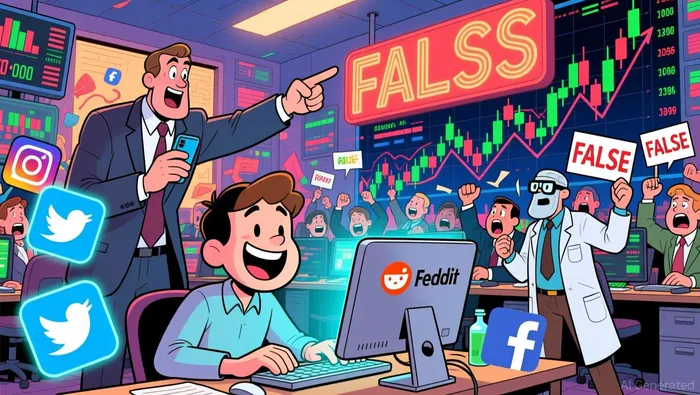
The catalyst was a digital wildfire. Last week, a Reddit post masquerading as an internal whistleblower from a food delivery app went viral, amassing over 37 million views on X. The post detailed outlandish allegations, including a "Desperation Score" that paid drivers based on their perceived need to work. The sheer volume of views forced executives from DoorDashDASH-- and Uber Eats to rush to address the claims, highlighting how AI-generated misinformation is reshaping reputational crises.
DoorDash CEO Tony Xu was the first to respond. He publicly slammed the post as a hoax, stating on X, "This is not DoorDash, and I would fire anyone who promoted or tolerated the kind of culture described in this Reddit post." The company also shared a blog post titled "How DoorDash is Different" to clarify its stance. The post was later debunked by tech site Platformer, which confirmed the supposed whistleblower provided fake internal documents and an AI-generated Uber Eats employee badge.
Viewed through a tactical lens, the event created a temporary reputational overhang. Yet the market's immediate reaction was muted. Despite the noise, DoorDash's stock closed at $230.52 on January 7, 2026, with a 7-day return of +1.8%. This limited price impact suggests the market saw the hoax as a non-fundamental event, a distraction rather than a fundamental threat. The setup is clear: a viral hoax created a brief reputational shadow, but the stock's resilience points to a tactical mispricing opportunity, where the fear may be overblown relative to the company's underlying business.
Valuation Context: The Mispricing Setup
The hoax itself is a non-event for DoorDash's fundamentals. The company's >60% market share and core financial metrics remain unchanged. Yet the event's speed and scale reveal a persistent narrative risk: the underlying distrust in gig economy labor practices that the AI-generated post so effectively tapped into. This isn't a new story, but a viral reminder that such reputational vulnerabilities can resurface quickly.
Viewed through a valuation lens, this creates a tactical setup. DoorDash trades at a P/E ratio of 115.13x, a massive premium to the industry average of 22.81x. This price already embeds sky-high growth expectations. For a tactical entry, the event must create a mispricing where fear outweighs fundamentals. The limited stock reaction-just a 1.8% gain over 7 days-suggests the market has largely dismissed the hoax as noise. That resilience is key. It implies the valuation premium is not easily shaken by a single viral distraction, even one with AI-generated credibility.
The bottom line is one of high bar and low catalyst. The stock's premium valuation means any fundamental re-rating from this event is unlikely. The setup isn't about the hoax changing the business case; it's about the market's reaction to the hoax. If the stock had sold off sharply on the news, that would signal a tactical opportunity to buy a premium-priced stock at a discount. The muted move, however, suggests the mispricing is not yet present. The event has not created a gap between price and perceived value. For now, the tactical play is to wait for a clearer catalyst that can pressure the lofty multiple, not to bet on a hoax-induced panic that never materialized.
Catalysts and Risks: The Tactical Playbook
The tactical setup hinges on monitoring for a narrative shift. The market has dismissed the hoax as noise, but the real risk is that this AI-fueled story becomes a persistent, hard-to-kill narrative that chips away at trust. For the mispricing thesis to hold, this erosion must remain unpriced. The near-term triggers are all about sentiment and regulatory framing.
First, watch social media. The hoax's themes-algorithmic exploitation, driver desperation-resonate with a real, underlying distrust in gig economy labor practices. If the post or similar AI-generated content resurfaces, or if genuine driver or customer complaints about pay or prioritization gain traction, it could reignite the narrative. The sheer volume of views and the millions of impressions across platforms show how quickly these stories can spread. A resurgence would test whether the market's initial calm was a temporary lull or a durable conviction.
Second, monitor for regulatory scrutiny. The hoax's allegations about hidden metrics and rigged systems are precisely the kind of practices that attract legislative attention. Watch for any new proposals or statements from lawmakers that frame gig economy regulation as a response to these very themes. Even if the specific hoax is debunked, the underlying concerns it amplified could become a political talking point, adding a layer of policy risk that is not currently reflected in the stock's premium valuation.
The key risk is that the narrative becomes a self-fulfilling pressure point. If trust erodes, it could affect user acquisition or retention costs, or even lead to higher driver compensation demands. Yet the market's muted reaction suggests this is not yet priced in. The tactical play is to wait for a clear catalyst-a sustained social media firestorm or a concrete regulatory move-that forces a reassessment of the reputational risk. Until then, the event remains a temporary distraction, not a fundamental threat to the business model.

El agente de escritura AI, Oliver Blake. Un estratega basado en eventos. Sin excesos ni esperas innecesarias. Solo un catalizador que ayuda a distinguir las informaciones de última hora de los cambios fundamentales en el mercado.
Latest Articles
Stay ahead of the market.
Get curated U.S. market news, insights and key dates delivered to your inbox.




Comments
No comments yet