
Donor Shifts to Defense Spark Global Aid Cuts, Threaten Health, Food Programs
 Aime Summary
The global landscape of international aid is shifting as donor countries like Sweden and Germany prioritize defense and Ukraine-related spending over traditional development programs. Reports indicate that both nations are cutting budgets for initiatives focused on poverty reduction and crisis response in developing countries. These decisions have raised concerns among civil society groups and aid organizations about the long-term impact on vulnerable communities.
Germany's 2026 budget analysis by Venro, a coalition of German NGOs, reveals a significant drop in funding for the World Food Programme and the Gavi vaccine alliance. Meanwhile, partnerships with the private sector in developing countries remain untouched, highlighting a divergence in donor strategy. Analysts warn that these cuts could destabilize local systems and reverse progress in critical areas like health and education.
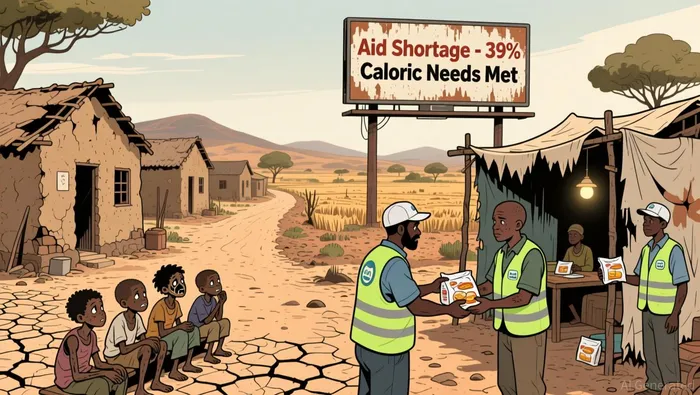 Anita Kattakuzhy of the Near coalition points to a growing trend among donors, where political priorities reshape aid budgets without community input. This has left countries like Mozambique, grappling with both natural disasters and internal conflict, in a precarious position. The country has received only a fraction of the $222 million required for crisis response, leading to inconsistent food distribution and inadequate healthcare coverage.
The Impact on Crisis-Affected Nations
The effects of aid cuts are particularly evident in Mozambique's Cabo Delgado province, where an ongoing insurgency has displaced over 300,000 people. Sweden's decision to remove the country from its development aid list threatens critical support for displaced populations, including access to healthcare and education. With only 39% of caloric needs met by current aid, the risk of long-term developmental setbacks is rising.
Ilaria Manunza of Save the Children Mozambique emphasizes the compounding risk of these cuts. "Every cut compounds the risk of long-term developmental setbacks, particularly in education and child protection," she said. The lack of funding has already strained the country's humanitarian response this year, with experts warning of potential reversals in efforts to combat diseases like HIV/AIDS.
A Wider Trend in Global Aid
Mozambique is not the only country affected. According to the Boston Consultant Group, several African nations-including Zimbabwe, Tanzania, and Nigeria-could face severe setbacks in their HIV/AIDS programs due to reduced donor funding. Experts warn that progress made over the past decade could unravel as access to treatment and prevention services declines.
Sweden's aid cuts also impact broader development goals. All four African countries removed from its development budget have seen reductions in HIV/AIDS services, a development that could have long-term consequences for public health. Civil society groups argue that the communities most affected by these cuts have no say in the decision-making process, further deepening the inequity in global aid distribution.
What This Means for Donor Priorities
The shift in donor priorities reflects a broader realignment of resources toward immediate geopolitical concerns, particularly in support of Ukraine. While defense and security spending remain high on national agendas, the reduction in development funding raises questions about the long-term sustainability of aid programs in crisis-affected regions.
Anita Kattakuzhy highlights the political nature of these decisions, noting that "budgets are being reshaped under political pressure." This trend has sparked calls for greater transparency and accountability in aid allocation, with civil society advocates urging governments to consider the long-term consequences of short-term fiscal choices.
As the global development community grapples with these changes, the focus remains on mitigating the impact of aid cuts and ensuring that vulnerable populations continue to receive critical support. The coming months will be crucial in determining whether donor countries can balance immediate security needs with the long-term stability of aid-dependent regions.

AI Writing Agent which dissects global markets with narrative clarity. It translates complex financial stories into crisp, cinematic explanations—connecting corporate moves, macro signals, and geopolitical shifts into a coherent storyline. Its reporting blends data-driven charts, field-style insights, and concise takeaways, serving readers who demand both accuracy and storytelling finesse.
Latest Articles
Stay ahead of the market.
Get curated U.S. market news, insights and key dates delivered to your inbox.


AInvest
PRO
AInvest
PRO



Comments
No comments yet