
From Dollars to Dollars? Assessing the Sustainability of the Risk-On Shift Amid Middle East Volatility
The Middle East ceasefire announced on June 23, 2025, has sparked a dramatic rotation in investor sentiment—from safe-haven assets like gold and the U.S. dollar to risk-on plays such as equities, cryptocurrencies, and energy refiners. Brent crude's 5% drop to $68 per barrel, coupled with outflows from oil ETFs like USO, underscores a market relieved of geopolitical "fear premiums." But as investors chase higher returns in stocks and crypto, a critical question emerges: Is this shift sustainable, or does lingering Middle East instability threaten to reignite volatility—and reverse the trend?
The Drivers of the Risk-On Rally
The truce between Israel and Iran has created a window of opportunity for risk-taking. With oil prices falling from $81 to $68 in days, energy-intensive sectors like airlines and utilities have rallied. 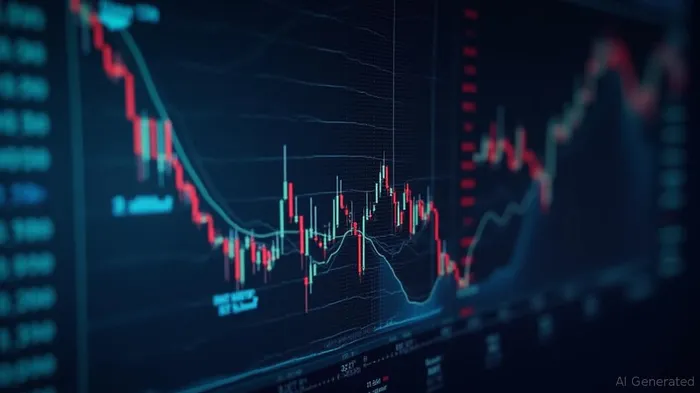 illustrates how lower fuel costs are already benefiting equities. Meanwhile, institutional investors have reallocated capital from defensive assets to cyclical plays:
- Cryptocurrency markets: Bitcoin and Ethereum surged 12% and 8%, respectively, as traders bet on lower inflation risks tied to cheaper energy.
- Energy refiners: Stocks like ValeroVLO-- (VLO) and Marathon PetroleumMPC-- (MPC) rose 6-8%, benefiting from narrower refining margins amid stable crude prices.
The reveal a clear drop-off in geopolitical risk premiums, while the shows declining safe-haven demand.
Lingering Risks: Why the Shift May Be Premature
Despite the optimism, three factors could disrupt the risk-on narrative:
Strait of Hormuz Vulnerability:
While the ceasefire keeps the strait open, rerouted tanker traffic to ports like Khor Fakkan has spiked freight costs by 76%. Even a partial disruption—via Iranian missile strikes or mine-laying—could send oil prices back above $100. highlight the fragility of supply chains.Unresolved Geopolitical Tensions:
Iran's parliament retains the threat to close the strait, and its nuclear program remains intact. Analysts at JPMorganJPEM-- note that past regime changes in major oil exporters (e.g., Iran in 1979) led to 76% average oil price spikes, with sustained higher prices post-crisis.Winter Supply Crunch Risks:
OPEC+ underproduction or Russian export cuts could tighten markets by early 2026, even if the truce holds. The shows vulnerabilities in production discipline.
Investment Considerations: Navigating the Tightrope
The current environment demands a balanced, hedged approach to avoid overexposure to either risk-on or risk-off extremes:
Short Oil, But With Caution:
Inverse oil ETFs like ProShares UltraShort Oil & Gas (DIG) could profit from further price declines if the truce holds. However, traders should set strict stop-losses near $70/bbl to guard against Strait-related shocks.Favor Energy Refiners Over Producers:
Refiners like Valero (VLO) benefit from stable crude prices and higher demand for refined products. Avoid pure-play E&P stocks (e.g., Pioneer Natural Resources) unless betting on a truce breakdown.Hedge with Defensive Assets:
Allocate 15-20% of portfolios to utilities (e.g., NextEra Energy) or healthcare ETFs (e.g., XLV) to mitigate volatility from geopolitical flare-ups.Crypto: A Speculative Play:
While Bitcoin's rise reflects reduced inflation fears, its high correlation to equities means it offers little diversification. Stick to smaller allocations unless positioned for a prolonged risk-on phase.
Conclusion: Vigilance Over Complacency
The shift from safe havens to risk-on assets is real—but not irreversible. Middle East uncertainties, from the Strait of Hormuz to Iran's nuclear ambitions, remain unresolved. Investors must monitor key indicators like tanker traffic, OPEC+ production, and U.S.-Iran diplomacy.
For now, the truce offers a tactical opportunity to capitalize on lower energy costs and equity rallies. But as history shows, markets often overdiscount geopolitical risks until they resurface. A prudent strategy balances optimism with hedging—because in 2025, the Middle East's volatility is the ultimate wildcard.

Stay ahead of the market.
Get curated U.S. market news, insights and key dates delivered to your inbox.




Comments
No comments yet