
Dollar Tree’s Store Closure Surge: A Necessary Retreat or Strategic Overreach?
The retail landscape is shifting dramatically, and discount giants are feeling the heat. Over the past week, Dollar Tree (DLTR) has announced sweeping closures of 1,000 Family Dollar stores, part of a restructuring plan to divest underperforming assets and focus on its core brand. This move, paired with a $1 billion sale of Family Dollar to private equity firms, signals a dramatic pivot—but at what cost?
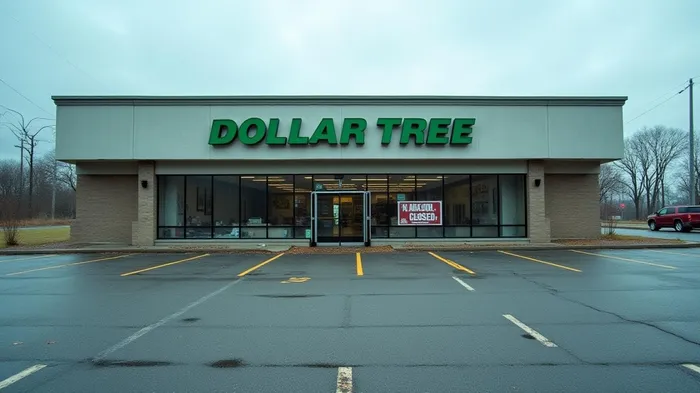
The Catalyst: Declining Sales and Regulatory Blows
The closures stem from years of operational struggles. Family Dollar, acquired by Dollar TreeDLTR-- in 2015 for $9 billion, has become a drag on profitability. A $41.6 million FDA fine in April 2025 for unsanitary warehouse conditions—rodent infestations, contaminated products—exposed systemic neglect. Meanwhile, declining foot traffic and competition from Walmart and Dollar General have eroded sales.
Key Data: By mid-2024, 600 Family Dollar stores had already closed, with another 370 closures planned through 2025. Texas alone hosts 709 Dollar Tree stores, but low-income communities in cities like Houston (51 locations) and San Antonio (54) face disproportionate loss of affordable goods access.
The Financial Gamble: Sale to Private Equity
Dollar Tree’s sale of Family Dollar to Brigade Capital Management and Macellum Capital Management for $1 billion—a 90% markdown from its purchase price—aims to cut losses and refocus resources. But critics argue this move underscores the 2015 acquisition’s failure.
Analyst Insight: “This is a desperate bid to salvage shareholder value, but Family Dollar’s tarnished reputation and outdated pricing model make a turnaround unlikely,” said retail strategist Emily Carter.
DLTR’s stock has fallen 18% since January 2025 amid restructuring uncertainty, compared to a 5% decline in the S&P 500.
The Human Cost: Communities and Employees in the Crossfire
The closures threaten access to essentials in underserved areas. Family Dollar’s $1.25 price point (now rising to $1.50) has long been a lifeline for low-income shoppers. Meanwhile, the sale’s impact on workers remains unclear.
Community Impact: In Ohio, 50+ Family Dollar locations face closure, leaving cities like Cincinnati and Cleveland with fewer discount retail options. A 2024 study by the National Low-Income Consumer Coalition found that 72% of Family Dollar shoppers rely on the chain for daily necessities.
The Path Forward: Can Dollar Tree Rebound?
Dollar Tree plans to raise prices further—eventually capping items at $10—to offset inflation and tariffs, which account for 40% of its imported inventory. Yet, analysts warn that shifting focus to middle-income consumers risks alienating its core demographic.
Executive Take: “This restructuring is about prioritizing stores that drive growth,” said Dollar Tree CEO Michael Witynski. “We’ll invest in modernizing Dollar Tree while letting Family Dollar find its own path under new ownership.”
Conclusion: A Risky Bet on a Diminished Discount
Dollar Tree’s moves are a calculated gamble. By shedding Family Dollar—a brand now synonymous with poor maintenance and legal scandals—the company aims to stabilize its financials and brand reputation. However, the $1 billion sale price versus its $9 billion investment starkly illustrates the missteps of its expansion strategy.
For investors, the near-term outlook remains cloudy. DLTR’s stock price decline and the uncertainty around Family Dollar’s revival suggest caution. Long-term, Dollar Tree’s success hinges on executing price hikes without alienating customers, modernizing its stores, and outpacing competitors. Until then, the discount retail sector’s struggles—and the communities it serves—will remain under pressure.
Actionable Takeaway: Monitor DLTR’s stock performance and the rollout of price increases. A sustained rebound in sales and stock price could signal the restructuring’s success; continued declines may prompt deeper investor skepticism.

Stay ahead of the market.
Get curated U.S. market news, insights and key dates delivered to your inbox.
AInvest
PRO
AInvest
PRO



Comments
No comments yet