
Why U.S. Dollar Strength Matters for Investors in 2026
 Aime Summary
The U.S. dollar is in the spotlight as investors seek safety in volatile times. , , reflects how geopolitical and economic factors are reshaping currency markets. With the Strait of Hormuz effectively closed due to Middle East tensions, oil prices have spiked, and global markets are bracing for further disruptions. This has made the dollar an attractive refuge for investors worried about regional instability and its broader economic consequences. The yen and euro, in particular, have weakened, with the yen hitting its lowest level . These developments are not just regional—they affect the global flow of commodities, trade, and investor behavior.
Why Is the U.S. Dollar Rising Amid Middle East Tensions?
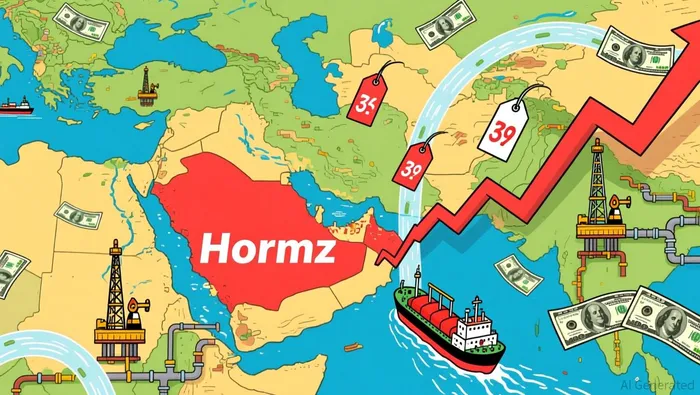
The U.S. dollar’s strength is closely linked to its role as a safe-haven currency during times of global uncertainty. With oil prices climbing and the Strait of Hormuz—a key chokepoint for global energy flows—effectively closed, investors are flocking to the dollar, which insulates the U.S. from some of the energy shocks that are hammering Europe and Asia. This dynamic has pushed the U.S. . At the same time, conflicting signals from Iran and the U.S., including Trump’s praise for Iran’s new leaders and warnings of potential escalation, have dimmed hopes of a quick resolution to the conflict.
This is particularly important for investors to understand: a strong dollar doesn’t just reflect U.S. economic strength but also global risk sentiment. The dollar's performance is influenced by factors like oil prices, inflation expectations, and central bank policy. For example, the euro has faced monthly declines, partly because of expectations of aggressive rate hikes from the European Central Bank, which may not be enough to offset the broader economic headwinds. Similarly, the yen is weak due to its role as a proxy for global , and Japanese authorities have signaled possible intervention if the yen continues to weaken.
How Is Dollar Strength Affecting Global Markets?
A stronger dollar has broad implications for global markets, especially for emerging economies and commodity markets. Emerging market currencies, including the Indian rupee, Indonesian rupiah, and Philippine peso, have all weakened significantly against the dollar as investors shift capital to safer assets. This trend increases import costs and debt servicing burdens for many developing nations, which may face tighter financial conditions as the dollar strengthens. Conversely, U.S. domestic equities and high-yield bonds tend to outperform in these conditions, supported by relatively stable domestic environments and higher yields.
Commodities, particularly oil and gold, are also affected. While the dollar’s strength typically pushes commodity prices lower, supply shocks—like those caused by the Middle East conflict—can temporarily push prices higher. For example, Brent crude has seen its largest monthly rise due to the Strait of Hormuz disruption, despite the dollar’s strength. This shows how geopolitical events can override traditional currency-commodity correlations, creating volatility and uncertainty for investors.
What Should Investors Watch for in the Fed’s Policy and Geopolitical Developments?
The Federal Reserve’s policy path remains a critical factor for the dollar’s trajectory. While the Fed has maintained a pause on rate cuts in 2026, , the dollar has weakened in some cases as traders had already priced in the pause. The broader dollar weakness from January to mid-December 2025 also played a role. However, with the U.S. jobs data expected to influence expectations for future policy, investors should closely monitor upcoming reports like the March payroll data and any statements from Fed Chair Jerome Powell.
Geopolitical developments will also shape the dollar’s path. A prolonged Middle East conflict or a U.S. ground operation in Iran could further reinforce the dollar’s role as a safe-haven asset. Analysts suggest that the market is positioning for continued volatility, with a defensive strategy of selling rallies in risk assets and maintaining volatility hedges. Traders should also watch for any signs of tighter dollar funding conditions, such as widening , which could indicate a stronger dollar and further pressure on risk assets.
Ultimately, the U.S. dollar’s performance is a complex interplay of geopolitical risk, global economic data, and central bank policy. For investors, understanding these dynamics—and how they affect their portfolios—is essential in navigating a market that is increasingly shaped by uncertainty and volatility.

Stay ahead of the market.
Get curated U.S. market news, insights and key dates delivered to your inbox.


AInvest
PRO
AInvest
PRO



Comments
No comments yet