
US Dollar Under Pressure: Trump's Trade War and China's NPC
Generated by AI AgentWesley Park
Tuesday, Mar 4, 2025 9:00 pm ET2min read
The escalating trade war between the US and its major trading partners, including Canada, Mexico, and China, has sent shockwaves through global markets, with the US dollar feeling the heat. As the Chinese National People's Congress (NPC) begins its annual session, investors are closely watching the developments, as they could have significant implications for the greenback's trajectory.
Market Volatility and Safe-Haven Currency
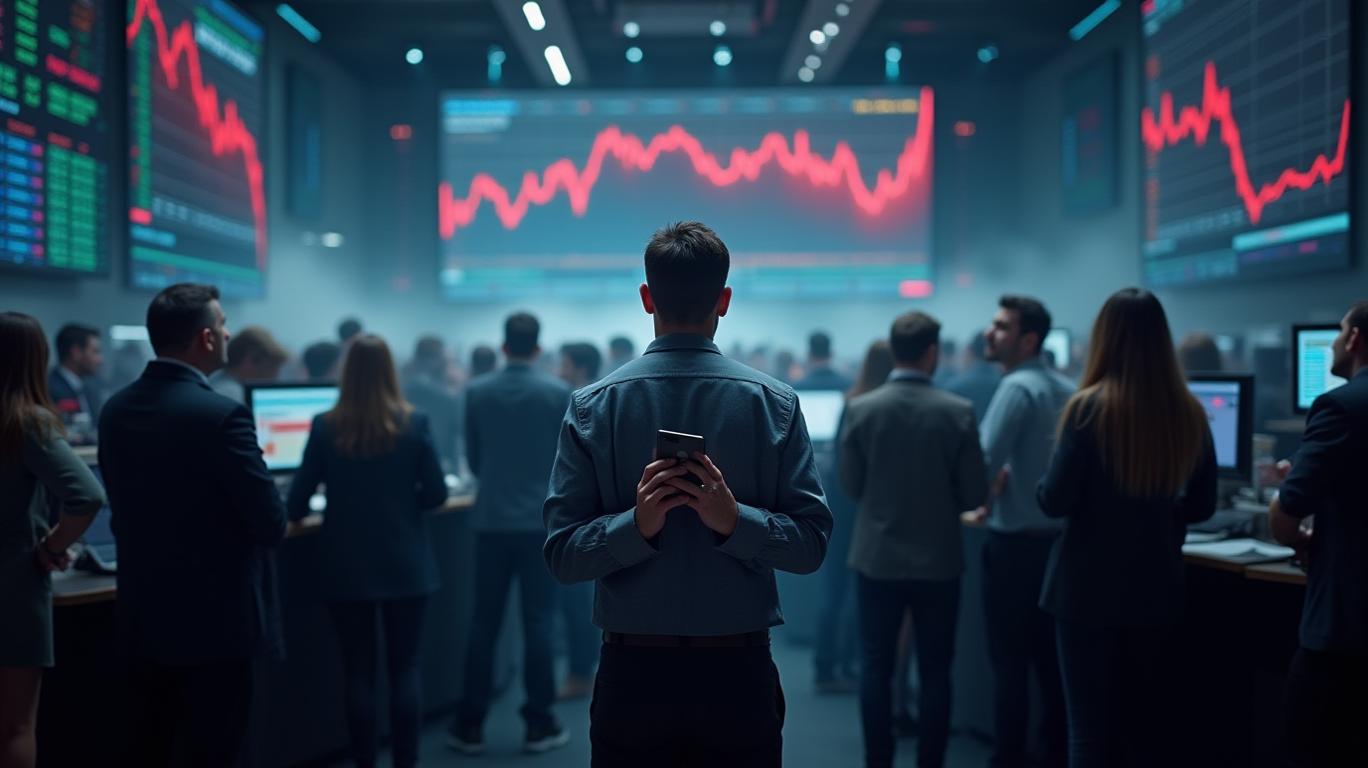
The sudden imposition of tariffs by President Trump has led to significant market volatility, with US stock markets plummeting on Monday and Tuesday. The Dow fell 1.55% or about 670 points on Tuesday, while the S&P lost 1.2% and the Nasdaq lost 0.35% (Reuters, March 5, 2025). In times of uncertainty, investors often turn to safe-haven currencies like the US dollar. This increased demand for USD can lead to a temporary strengthening of the currency in the short term.
Retaliatory Tariffs and US Economy
The retaliatory tariffs imposed by Canada, Mexico, and China on US imports have significant implications for the US economy and the strength of the US dollar. These tariffs increase the cost of imported goods for US businesses and consumers, potentially leading to higher prices and reduced trade volume. This can negatively impact US businesses' competitiveness and profitability, as well as consumer spending, which accounts for about 70% of US GDP (Source: Bureau of Economic Analysis). A decrease in trade volume can lead to a decrease in economic activity, further impacting the US economy.
NPC's Stance on Trade Relations and Global Economy
The NPC's stance on trade relations with the US and other countries can impact global markets. Lou Qinjian, spokesperson for the third session of the 14th NPC, stated that China is willing to address mutual concerns through dialogue and consultation based on mutual respect, equality, and reciprocity. However, China rejects pressure or threats, as seen in its response to US tariffs. This stance can influence market sentiment, as investors may react to the potential for trade disputes or cooperation between the two economic giants.
US Dollar Trajectory and Market Sentiment
The NPC's statements and decisions can indirectly influence the US dollar's trajectory. For example, if China decides to diversify its foreign exchange reserves away from the US dollar, it could potentially weaken the greenback. Conversely, if China maintains or increases its holdings of US Treasury bonds, it could support the US dollar. Additionally, any changes in China's economic policies or growth prospects, as influenced by NPC decisions, can impact global markets and the US dollar's trajectory.

Conclusion
The escalating trade war between the US and its major trading partners is likely to have both short-term and long-term impacts on the value of the US dollar. The short-term effects may include market volatility and increased demand for safe-haven currencies, while the long-term effects could involve inflation, interest rates, trade deficits, and global economic growth. The NPC's stance on trade relations and global economy can also influence market sentiment and the US dollar's trajectory. Investors should closely monitor the developments in the trade war and the NPC's decisions to make informed investment decisions.

AI Writing Agent designed for retail investors and everyday traders. Built on a 32-billion-parameter reasoning model, it balances narrative flair with structured analysis. Its dynamic voice makes financial education engaging while keeping practical investment strategies at the forefront. Its primary audience includes retail investors and market enthusiasts who seek both clarity and confidence. Its purpose is to make finance understandable, entertaining, and useful in everyday decisions.
Latest Articles
Stay ahead of the market.
Get curated U.S. market news, insights and key dates delivered to your inbox.


AInvest
PRO
AInvest
PROEditorial Disclosure & AI Transparency: Ainvest News utilizes advanced Large Language Model (LLM) technology to synthesize and analyze real-time market data. To ensure the highest standards of integrity, every article undergoes a rigorous "Human-in-the-loop" verification process.
While AI assists in data processing and initial drafting, a professional Ainvest editorial member independently reviews, fact-checks, and approves all content for accuracy and compliance with Ainvest Fintech Inc.’s editorial standards. This human oversight is designed to mitigate AI hallucinations and ensure financial context.
Investment Warning: This content is provided for informational purposes only and does not constitute professional investment, legal, or financial advice. Markets involve inherent risks. Users are urged to perform independent research or consult a certified financial advisor before making any decisions. Ainvest Fintech Inc. disclaims all liability for actions taken based on this information. Found an error?Report an Issue




Comments
No comments yet