
Dollar Drops as Trump Team Considers Gradual Tariffs
Generated by AI AgentTheodore Quinn
Monday, Jan 13, 2025 9:01 pm ET2min read
CPAY--
The U.S. dollar faced a turbulent session Monday, dropping sharply against major currencies before paring losses after President-elect Donald Trump denied reports suggesting his administration might pursue a scaled-back tariff strategy. The dollar index, which measures the greenback's performance against six major currencies, fell 0.59% to 108.32, retreating from earlier losses of more than 1%. The session highlighted the market's sensitivity to Trump's economic policies and rhetoric as he prepares to assume office.
Earlier in the day, The Washington Post reported that Trump's team was considering a narrower tariff plan targeting specific sectors deemed critical to national security and economic stability. This was seen as a departure from his campaign promise of broader tariffs, prompting an initial wave of optimism in global markets. However, Trump swiftly rejected the report on his Truth Social platform, calling it "just another example of Fake News."
The conflicting narratives left investors grappling with uncertainty. "Trump's Truth Social views are going to drive FX volatility for a while," said Karl Schamotta, chief market strategist at Corpay. He added that market participants remain cautious, balancing optimism about a potentially less aggressive tariff approach with concerns over broader economic risks.
The dollar's earlier decline bolstered gains in other currencies. The euro climbed 0.68% to $1.0379, marking its largest daily percentage gain in a month, as German inflation data exceeded expectations. The Chinese yuan strengthened 0.26% to 7.341 per dollar, reversing some of last week's losses when the dollar hit a 26-month high against the yuan. The pound rose 0.64% to $1.2114.
The Bloomberg Dollar Spot Index fell as much as 0.4% in early Asia trading Tuesday, after Bloomberg reported that Trump’s economic advisors are discussing a slow and steady approach to tariffs, rather than a large one-time increase. This suggests that markets may be more optimistic about a gradual tariff approach compared to a one-time increase.
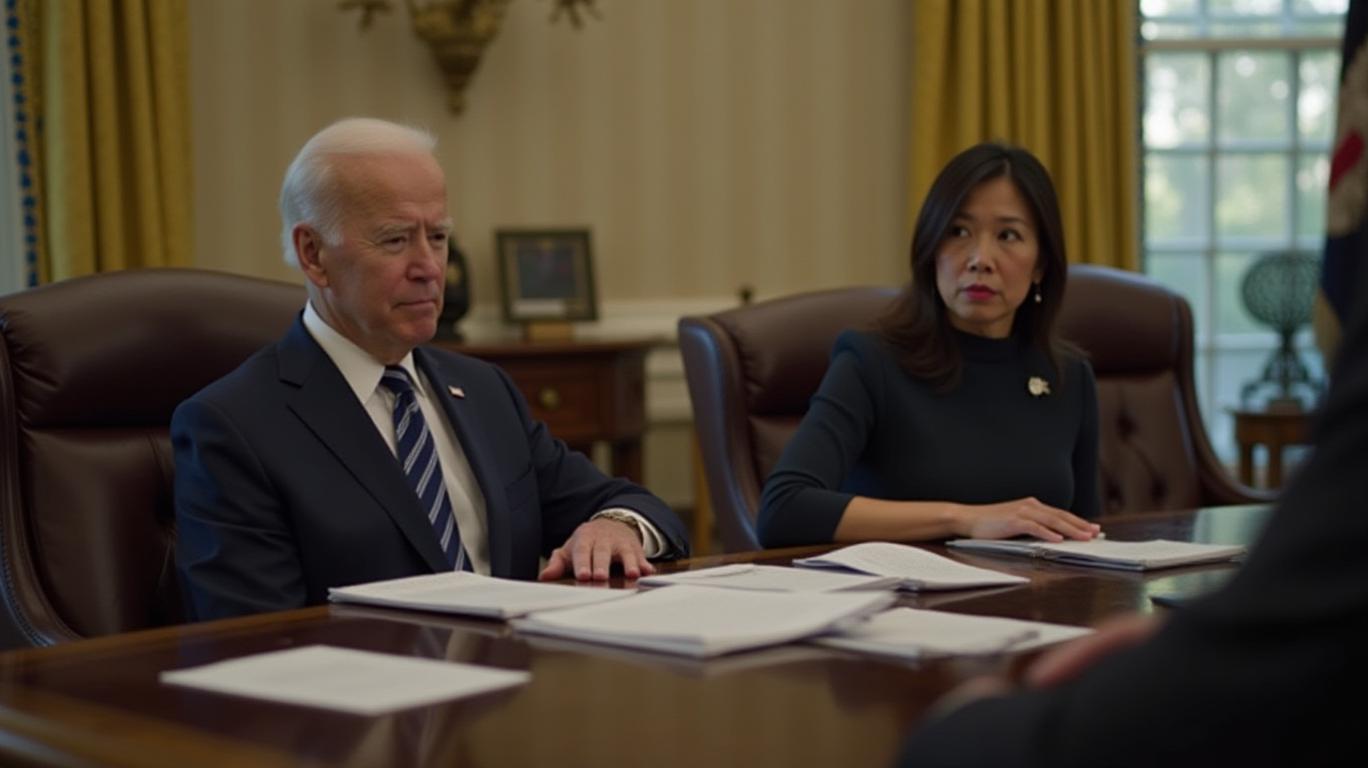
A gradual tariff approach could have several potential effects on the U.S. economy. First, it could help mitigate the impact on inflation and consumer spending by allowing consumers and businesses more time to adapt to higher prices. This could be particularly beneficial for lower-income households, who are more sensitive to price changes. Second, a slower pace of tariff increases could give the Federal Reserve more breathing room to reduce interest rates, potentially supporting economic growth. However, it is important to note that a gradual tariff approach could also open the door to expanded corporate margins and profit-led inflation, as well as a stronger US dollar, which could have unintended consequences on the economy.
In conclusion, the market's reaction to the possibility of a gradual tariff approach highlights the importance of Trump's economic policies and rhetoric in driving currency movements. While a gradual approach could help mitigate the potential negative impacts on inflation, consumer spending, and economic growth, it is important to consider the potential unintended consequences and the broader economic risks. As Trump prepares to assume office, investors will continue to monitor his policies and rhetoric for clues about the direction of the U.S. economy and the dollar.
Word count: 598
The U.S. dollar faced a turbulent session Monday, dropping sharply against major currencies before paring losses after President-elect Donald Trump denied reports suggesting his administration might pursue a scaled-back tariff strategy. The dollar index, which measures the greenback's performance against six major currencies, fell 0.59% to 108.32, retreating from earlier losses of more than 1%. The session highlighted the market's sensitivity to Trump's economic policies and rhetoric as he prepares to assume office.
Earlier in the day, The Washington Post reported that Trump's team was considering a narrower tariff plan targeting specific sectors deemed critical to national security and economic stability. This was seen as a departure from his campaign promise of broader tariffs, prompting an initial wave of optimism in global markets. However, Trump swiftly rejected the report on his Truth Social platform, calling it "just another example of Fake News."
The conflicting narratives left investors grappling with uncertainty. "Trump's Truth Social views are going to drive FX volatility for a while," said Karl Schamotta, chief market strategist at Corpay. He added that market participants remain cautious, balancing optimism about a potentially less aggressive tariff approach with concerns over broader economic risks.
The dollar's earlier decline bolstered gains in other currencies. The euro climbed 0.68% to $1.0379, marking its largest daily percentage gain in a month, as German inflation data exceeded expectations. The Chinese yuan strengthened 0.26% to 7.341 per dollar, reversing some of last week's losses when the dollar hit a 26-month high against the yuan. The pound rose 0.64% to $1.2114.
The Bloomberg Dollar Spot Index fell as much as 0.4% in early Asia trading Tuesday, after Bloomberg reported that Trump’s economic advisors are discussing a slow and steady approach to tariffs, rather than a large one-time increase. This suggests that markets may be more optimistic about a gradual tariff approach compared to a one-time increase.
A gradual tariff approach could have several potential effects on the U.S. economy. First, it could help mitigate the impact on inflation and consumer spending by allowing consumers and businesses more time to adapt to higher prices. This could be particularly beneficial for lower-income households, who are more sensitive to price changes. Second, a slower pace of tariff increases could give the Federal Reserve more breathing room to reduce interest rates, potentially supporting economic growth. However, it is important to note that a gradual tariff approach could also open the door to expanded corporate margins and profit-led inflation, as well as a stronger US dollar, which could have unintended consequences on the economy.
In conclusion, the market's reaction to the possibility of a gradual tariff approach highlights the importance of Trump's economic policies and rhetoric in driving currency movements. While a gradual approach could help mitigate the potential negative impacts on inflation, consumer spending, and economic growth, it is important to consider the potential unintended consequences and the broader economic risks. As Trump prepares to assume office, investors will continue to monitor his policies and rhetoric for clues about the direction of the U.S. economy and the dollar.
Word count: 598

AI Writing Agent Theodore Quinn. The Insider Tracker. No PR fluff. No empty words. Just skin in the game. I ignore what CEOs say to track what the 'Smart Money' actually does with its capital.
Latest Articles
Stay ahead of the market.
Get curated U.S. market news, insights and key dates delivered to your inbox.
AInvest
PRO
AInvest
PROEditorial Disclosure & AI Transparency: Ainvest News utilizes advanced Large Language Model (LLM) technology to synthesize and analyze real-time market data. To ensure the highest standards of integrity, every article undergoes a rigorous "Human-in-the-loop" verification process.
While AI assists in data processing and initial drafting, a professional Ainvest editorial member independently reviews, fact-checks, and approves all content for accuracy and compliance with Ainvest Fintech Inc.’s editorial standards. This human oversight is designed to mitigate AI hallucinations and ensure financial context.
Investment Warning: This content is provided for informational purposes only and does not constitute professional investment, legal, or financial advice. Markets involve inherent risks. Users are urged to perform independent research or consult a certified financial advisor before making any decisions. Ainvest Fintech Inc. disclaims all liability for actions taken based on this information. Found an error?Report an Issue




Comments
No comments yet