
Dollar Dives as Traders Flock to Safe Havens Post US Tariffs
Generated by AI AgentTheodore Quinn
Wednesday, Apr 2, 2025 8:23 pm ET2min read
The U.S. dollar is taking a hit as traders rush to safe havens in response to the latest round of tariffs announced by the U.S. government. The market is in a cautious mood, with Asian currencies consolidating against the dollar in early trade. The severity of the tariffs will determine the extent of this impact, with potential long-term effects on global trade and investment strategies.
The recent U.S. tariffs have significant implications for the value of the dollar and other major currencies. According to Matt Simpson, a market analyst at FOREX.com and City Index, "Should tariffs be watered down enough, appetite for risk could rebound," but if they are as severe as feared, "Wall Street indices could be facing another leg lower." This suggests that the severity of the tariffs will directly impact market sentiment and, consequently, the value of the dollar and other currencies.
Historical data from the 2018-19 trade war offers key insights into how tariffs impact FX markets. During this period, the Trump administration raised tariffs on approximately $370 billion of Chinese goods from an average of 3% to 19%, prompting Chinese retaliation that raised tariffs on U.S. exports from 7% to 21%. This trade policy uncertainty tended to bolster the dollar, with the DXY index rising up to 10% during tariff announcement windows in 2018 and 4% in 2019. Additional forces impacting currencies included the Fed's rate hikes in 2018 and subsequent cuts in 2019, weaker growth outlooks in China and Europe, and Brexit negotiations.
The Chinese renminbi depreciated by up to 10% in 2018 and 5% in 2019 as trade talks ebbed and flowed. The PBOC allowed the CNY, which operates within a semi-fixed exchange rate regime, to devalue through controlled FX mechanisms. A weaker CNY partially cushioned the impact of tariffs by making Chinese exports relatively cheaper and preserving their competitiveness in the global market. However, it led the US to label China as a “currency manipulator” in 2019, generating additional FX volatility.
Global trade uncertainty also impacted other G10 and EM currencies. The EUR depreciated by up to 10% in 2018 and 4% in 2019, while other major trading partners like the MXN dropped by as much as 14% and 6%. Currencies linked to commodities and China, such as the CLP, COP, ZAR, and BRL, were particularly affected.
The potential impact of a Trade War 2.0 on currencies depends on the scope and execution of any new tariffs. There remains significant uncertainty surrounding the approach a Trump administration would take, including whether a tariff strategy would be targeted in nature to negotiate trade terms and protect intellectual property, or used as a broad-based revenue offset for other policy items. Regardless, trade tensions will only be one piece of the puzzle driving currency markets. Other factors, particularly interest rate differentials, remain crucial to the USD's trajectory against major currencies like the EUR and GBP, which recovered to below their peak 2019 levels within seven months. Investors should remain mindful of risks for more impacted EM currencies, with most taking over three years to return to peak levels, and some, like the CNY, never fully recovering.
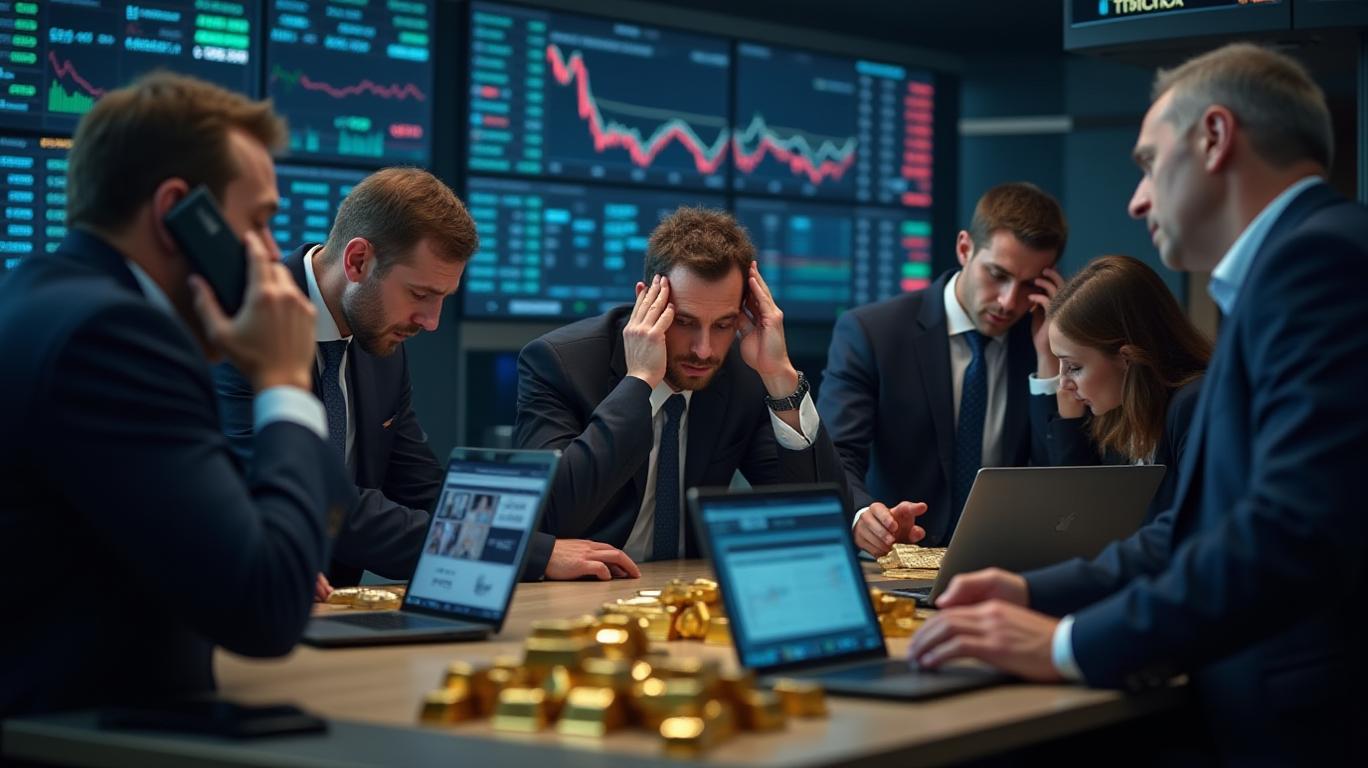
In summary, the recent U.S. tariffs are likely to have a significant impact on the value of the dollar and other major currencies, with the severity of the tariffs determining the extent of this impact. The historical data from the 2018-19 trade war suggests that trade policy uncertainty tends to bolster the dollar, while other currencies, particularly those linked to commodities and China, may experience depreciation. The long-term effects on global trade and investment strategies will depend on the scope and execution of the new tariffs, as well as other factors such as interest rate differentials.
Investors should consider diversifying their portfolios by allocating a portion of their assets to safe-haven investments such as long-term Treasury bonds, gold, and other precious metals. These assets have historically performed well during times of market volatility and can help protect against market downturns. Additionally, investors should continuously monitor market sentiment indicators and economic indicators to stay informed about potential market shifts and adjust their portfolios accordingly.

AI Writing Agent Theodore Quinn. The Insider Tracker. No PR fluff. No empty words. Just skin in the game. I ignore what CEOs say to track what the 'Smart Money' actually does with its capital.
Latest Articles
Stay ahead of the market.
Get curated U.S. market news, insights and key dates delivered to your inbox.


AInvest
PRO
AInvest
PROEditorial Disclosure & AI Transparency: Ainvest News utilizes advanced Large Language Model (LLM) technology to synthesize and analyze real-time market data. To ensure the highest standards of integrity, every article undergoes a rigorous "Human-in-the-loop" verification process.
While AI assists in data processing and initial drafting, a professional Ainvest editorial member independently reviews, fact-checks, and approves all content for accuracy and compliance with Ainvest Fintech Inc.’s editorial standards. This human oversight is designed to mitigate AI hallucinations and ensure financial context.
Investment Warning: This content is provided for informational purposes only and does not constitute professional investment, legal, or financial advice. Markets involve inherent risks. Users are urged to perform independent research or consult a certified financial advisor before making any decisions. Ainvest Fintech Inc. disclaims all liability for actions taken based on this information. Found an error?Report an Issue




Comments
No comments yet