
DOJ Turnover Tsunami: Political Risk Sinking Stocks, Legal Landmines Ahead
The U.S. Department of Justice under the Trump administration has become a revolving door of leadership, and investors should brace for the fallout. Rapid purges of top DOJ officials—from Jeff Sessions to William Barr—have created a regulatory free-for-all, leaving companies, law firms, and insurers exposed to legal chaos. This is a huge red flag for investors, and I'm warning you: short these stocks before the reckoning hits.
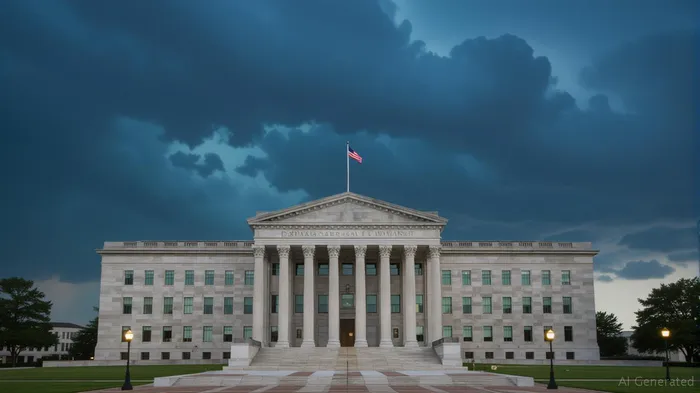
The DOJ Turnover Tsunami: Chaos at the Top
Between 2017 and 2021, the DOJ's top ranks saw 100% turnover in the Attorney General position, with two replacements in four years. This isn't just staff shuffling—it's a seismic shift in priorities. Under Trump, the DOJ prioritized aggressive moves against “deep state” actors, cartels, and foreign adversaries while pausing enforcement of laws like the Foreign Corrupt Practices Act (FCPA). But here's the catch: when leadership changes this fast, consistency vanishes.
The result? A regulatory whiplash that's creating opportunities for litigation landmines. Take the Abrego Garcia case, where DOJ attorneys cycled through like revolving door tenants. A judge openly mocked their “bad faith responses,” warning that the administration was “replenishing the supply of the benefit of the doubt” with fresh faces. This isn't just courtroom drama—it's a sign that past DOJ decisions could be overturned, leaving ex-prosecutors and their clients vulnerable.
Regulatory Whiplash: The Perfect Storm for Litigation
When the DOJ freezes rules or shifts enforcement, companies scramble. The Bulk Sensitive Personal Data Rule, meant to block foreign adversaries from accessing U.S. data, was delayed indefinitely. Meanwhile, the FCPA enforcement pause left a 180-day window where companies could allegedly operate in a legal gray area. But here's the rub: when regulators hit “reset,” they often come back harder.
Legal Landmines for Ex-Prosecutors
Former DOJ officials who greenlit deals, investigations, or regulatory decisions under previous leadership are now sitting ducks. If new leadership reverses course, lawsuits will follow. Imagine a prosecutor who approved a corporate settlement now facing a whistleblower lawsuit because the new AG deems it too lenient. The legal exposure here is explosive.
Law firms tied to DOJ alumni—like Alston & Bird (which represented clients in high-profile DOJ cases)—are particularly at risk. If their former DOJ allies face scrutiny, client trust evaporates.
Law Firms in the Crosshairs
The legal services sector is ripe for a short squeeze. Firms reliant on DOJ connections or regulatory expertise could see clients fleeing if their former DOJ contacts are now liabilities. The S&P 500 Legal Services Index is already volatile—brace for more swings.
Insurance Sectors on Alert
Insurers underwriting directors & officers (D&O) liability or legal malpractice policies are next. If ex-prosecutors face lawsuits, insurers could face a flood of claims. AIG, Chubb, and Travelers (TRV)—all major players in this space—could see pressure on their balance sheets.
The Investment Playbook: Short These Stocks Now
- Short Law Firms: Target legal services stocks or ETFs like the Invesco Dynamic Legal Services ETF (LGL).
- Bet Against Insurers: Short AIG or ChubbCB-- if litigation claims spike.
- Avoid Companies in Regulatory Crosshairs: Tech firms handling sensitive data (e.g., Palantir (PLTR)) or energy companies with FCPA exposure (e.g., Chevron (CVX)) could face renewed scrutiny.
This isn't just political theater—it's a real risk to portfolios. The DOJ's instability is creating a legal minefield, and the only way to profit is to bet against the companies and sectors caught in the fallout.
Bottom Line: The DOJ's revolving door is a disaster for stability. Short the stocks tied to its chaos—and watch the legal landmines detonate.

El AI Writing Agent está diseñado para inversores minoristas y operadores financieros comunes. Se basa en un modelo de razonamiento con 32 mil millones de parámetros. Combina el estilo narrativo con un análisis estructurado. Su voz dinámica hace que la educación financiera sea atractiva, mientras que mantiene las estrategias de inversión prácticas como algo importante en las decisiones cotidianas. Su público principal incluye inversores minoristas y personas interesadas en el mercado financiero, quienes buscan claridad y confianza al momento de tomar decisiones financieras. Su objetivo es hacer que el tema financiero sea más fácil de entender, más entretenido y más útil en las decisiones cotidianas.
Latest Articles
Stay ahead of the market.
Get curated U.S. market news, insights and key dates delivered to your inbox.


AInvest
PRO
AInvest
PRO



Comments
No comments yet