
DOJ Files Reveal 2013 Epstein 'Blackmail' Draft: Can Gates’ Reputation Survive New STD Allegations?
 Aime Summary
Microsoft co-founder Bill Gates publicly addressed explosive allegations contained in recently declassified US Department of Justice files on Wednesday. The documents, part of a massive release of approximately 3 million pages involving the late sex offender Jeffrey Epstein, include a 2013 draft email accusing Gates of contracting a sexually transmitted disease and attempting to conceal it from his then-wife, Melinda French Gates. Speaking to Nine News on the evening of February 4, Gates dismissed the claims as "false" and the email as a fabrication that was never sent. While this personal scandal is unlikely to impact Microsoft’s operational fundamentals—the stock remains a pillar of the tech sector—it serves as a stark reminder of the long-tail liabilities embedded in the billionaire’s past networking judgments.
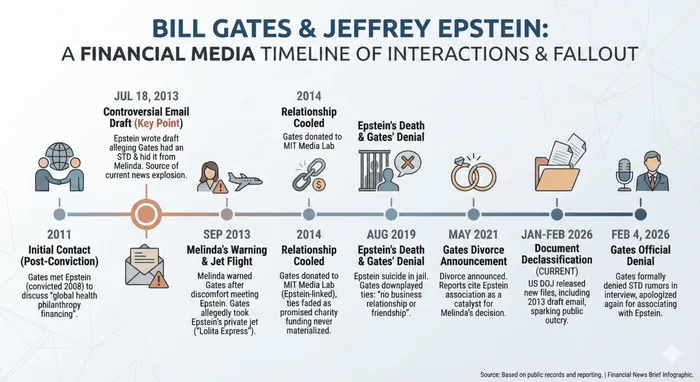
The "Blackmail" Dynamic: Deconstructing the 2013 Draft
The core of the recent volatility in public sentiment stems from a specific draft email discovered in the DOJ’s latest tranche of evidence. The correspondence, dated 2013, appears to capture a moment where the relationship between the tech mogul and the financier had deteriorated into hostility. In the draft, which Epstein wrote to himself but allegedly intended for Gates, Epstein expresses dismay that Gates was ending their friendship.
More damagingly, the text reveals what legal analysts describe as coercive leverage. Epstein wrote: "TO add insult to injury you them implore me to please delete the emails mails regarding your std, your request that I provide you antibiotics that you can surreptitiously give to Melinda and the description of your penis". The erratic capitalization and typos in the draft suggest a hastily composed note, yet the intent to leverage personal information is clear.
Market observers note that this fits a broader pattern identified in the files, where Epstein sought to "entrap and defame" powerful associates when they attempted to distance themselves. In a separate communication from the same year, Epstein accused Gates of involving him in "morally inappropriate" activities, ranging from facilitating trysts with married women to procuring drugs. These documents portray a transactional relationship that had soured, with Epstein resigning from a role at the Gates Foundation and BG3, a think tank, citing a "severe marital dispute between Melinda and Bill".
The Defense: Gates and the "Regret" Narrative
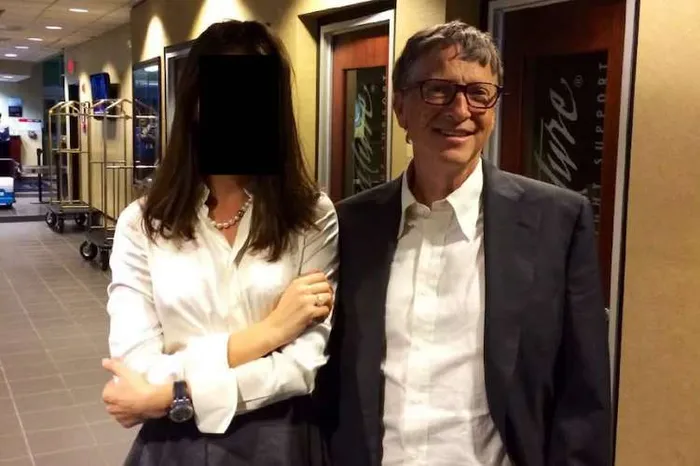
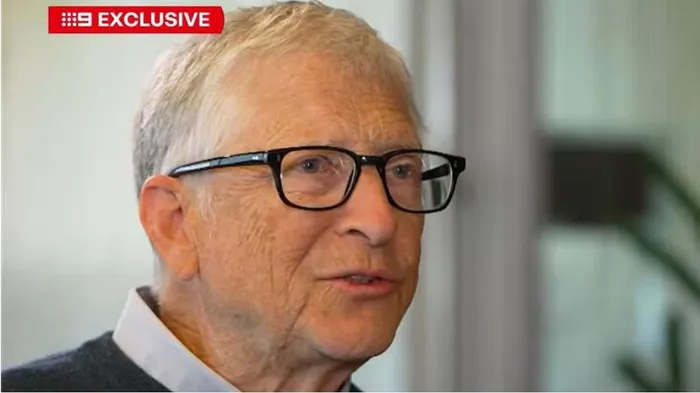
Facing these renewed allegations, Bill Gates has adopted a strategy of total denial regarding the specific claims, coupled with a broad admission of poor judgment regarding the association itself. In his first public comments since the January 30 document release, Gates stated, "Jeffrey wrote an email to himself, that email was never sent... The email is, you know, false".
Gates’s defense relies heavily on compartmentalization. He insists that his interactions with Epstein were strictly limited to dinners and discussions regarding philanthropic expansion, specifically global health financing. "It's factually true that I was only at dinners. You know, I never went to the island," Gates emphasized, attempting to draw a hard line between himself and the illicit activities associated with Epstein’s properties in the U.S. Virgin Islands.
However the pressure from his inner circle remains visible. Melinda French Gates, whose divorce from Bill in 2021 was reportedly catalyzed in part by his ties to Epstein, recently expressed "unbelievable sadness" upon learning of the new details. In a podcast interview shortly before Gates’s denial, she shifted the burden of accountability squarely onto her ex-husband, stating, "They need to answer to those things, not me". This public distancing by French Gates reinforces the narrative that the association was a point of contention long before the public became aware of the depth of the ties.
The Philanthropic Trojan Horse: Why They Met
To understand why a figure of Gates's stature—then the world's richest man—would engage with a convicted sex offender (Epstein was convicted in 2008, prior to their major meetings in 2011 and beyond), one must look at the mechanics of high-level fundraising.
Analysts point out that Epstein effectively marketed himself as a "capital gatekeeper." He projected the image of a financier who could unlock billions in sovereign wealth and private capital for the Bill & Melinda Gates Foundation. For Gates, whose primary focus had shifted from Microsoft’s day-to-day operations to eradicating polio and malaria, Epstein represented a potential conduit to untapped resources. The documents suggest that meetings occurred on multiple occasions post-2008 to discuss "expanding philanthropic efforts".
This creates a cautionary tale for institutional investors and corporate boards. The due diligence failure here was not financial, but reputational. Epstein used his proximity to Gates to "launder" his own reputation, gaining renewed social currency in scientific and academic circles (such as the MIT Media Lab) by flaunting his connection to the MicrosoftMSFT-- founder. When Gates attempted to sever these ties in 2014, realizing the funding promises were hollow, the "blackmail" phase detailed in the 2013 drafts appears to have begun.

Tianhao Xu is currently a financial content editor, focusing on fintech and market analysis. Previously, he worked as a full-time forex trader for several years, specializing in global currency trading and risk management. He holds a master’s degree in Financial Analysis.
Latest Articles
Stay ahead of the market.
Get curated U.S. market news, insights and key dates delivered to your inbox.




Comments
No comments yet