
DOJ Clamps Down on North Korea's Digital Cash Pipeline with $15M Tether Seizure


 Aime Summary
The U.S. Department of Justice has seized $15 million in Tether's USDTUSDT-- linked to North Korean hackers, marking a significant escalation in its campaign to disrupt Pyongyang's cryptocurrency-driven sanctions-busting operations. The move, announced alongside five guilty pleas, underscores a broader strategy to target the intermediaries and infrastructure enabling the regime's illicit crypto activities.
The DOJ's action focuses on North Korea's use of stolen U.S. identities and remote work schemes to siphon funds from American companies. These "domestic helpers" facilitated job placements for North Korean nationals, masked their IP addresses, and routed paychecks to networks tied to the Democratic People's Republic of Korea (DPRK). Assistant Director Roman Rozhavsky warned that such tactics allow Pyongyang to generate millions for its weapons programs while evading sanctions.
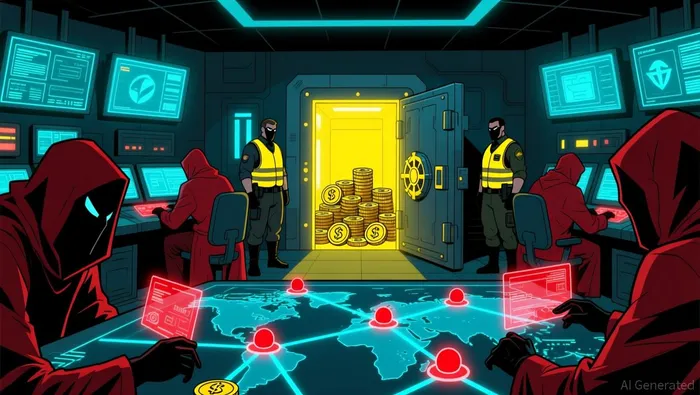 Central to the seizure is the group Advanced Persistent Threat 38 (APT38), which has been implicated in some of crypto's largest heists, including breaches of exchanges and decentralized finance (DeFi) platforms. The $15 million in frozen USDT adds to a growing list of digital assets confiscated by U.S. authorities from state-linked hackers and ransomware crews. This follows a broader "Scam Center Strike Force" initiative targeting Southeast Asian pig-butchering fraud rings, where U.S. agencies recently recovered $80 million in stolen funds.
The crackdown highlights mounting risks for stablecoins like USDT, which remain critical for trading and settlement across offshore venues. Regulators are increasingly scrutinizing their role in illicit finance, with the DOJ's actions demonstrating the vulnerability of on-chain assets to enforcement actions. For markets, the trend of freezing and seizing digital assets creates three key pressures: heightened stablecoin risk, tighter liquidity in certain trading pairs, and a regulatory push for stricter counterparty checks.
Meanwhile, the Trump administration's proposal for a federal "bitcoin strategic reserve"-holding seized crypto as long-term assets-adds another layer of uncertainty. While the plan aims to avoid auctioning illicitly obtained coins, legal hurdles remain, including potential congressional approval. If implemented, such reserves could reduce tradable supply, reinforcing scarcity narratives for bitcoinBTC-- and other cryptocurrencies.
International cooperation is also intensifying. A joint operation between the U.S. and Thailand recently seized $12 million in USDT from a Southeast Asian fraud network, showcasing cross-border efforts to combat crypto crime. Tether's technical support highlighted the role of private industry in enforcement, setting precedents for future regulatory frameworks.
For investors, the DOJ's actions signal a shifting landscape. While short-term volatility and compliance costs may rise, consistent takedowns of state-backed theft could enhance trust in on-chain markets. The North Korea case, however, underscores crypto's entanglement with national security and geopolitical risk-a reality that will shape liquidity, compliance standards, and government holdings of digital assets for years to come.

Stay ahead of the market.
Get curated U.S. market news, insights and key dates delivered to your inbox.


AInvest
PRO
AInvest
PRO



Comments
No comments yet