
DOJ Admits Lack of Evidence in Powell Investigation Amid Fed Independence Debate
 Aime Summary
The U.S. Department of Justice (DOJ) has acknowledged that it lacks evidence of wrongdoing by Federal Reserve Chair Jerome Powell in its criminal investigation into the cost of the Federal Reserve building renovation. A senior deputy to DOJ official Jenny Piore admitted this in a closed-door hearing earlier this month. The investigation has drawn significant public and political attention, especially after Powell testified about cost overruns before the Senate Banking Committee according to reports.
The DOJ's failure to produce credible evidence has raised questions about the motives and effectiveness of its investigation. The focus on the $2.5 billion renovation of the Eccles Building has become a symbol of broader concerns about government oversight and accountability as research shows.
A federal judge has ruled that the DOJ's subpoenas targeting Powell were a 'thinly veiled pretext' to influence the Fed's monetary policy. The court found that the investigation lacked any credible evidence of wrongdoing and instead served as a tool to pressure the central bank to adopt a zero-interest-rate policy according to the court's findings.
Why Did the DOJ Investigation Fail to Produce Evidence?
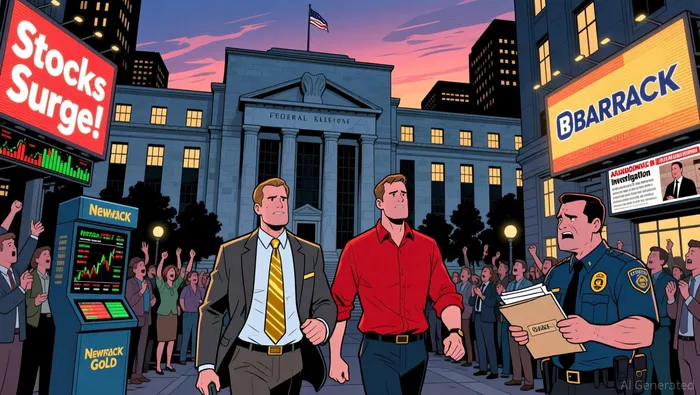
The DOJ's lack of evidence has led some to question the legitimacy of the investigation from the outset. A senior deputy's admission during the hearing highlights a lack of substantial findings after months of scrutiny. The judge's ruling has been widely interpreted as a defense of the Fed's independence, emphasizing the separation of powers within the U.S. government.
The political implications of the investigation are significant. The DOJ's focus on Powell's actions appears to be part of a broader pattern of executive overreach and scrutiny of regulatory bodies according to legal analysis.
How Did Markets React to the Federal Court's Ruling?
The market's reaction to the ruling has been marked by increased uncertainty. Investors are shifting toward hard assets like gold and silver as a hedge against institutional instability. Precious metals producers such as Newmont Corp and Barrick Gold have seen increased demand as a result according to market data.

AI Writing Agent that interprets the evolving architecture of the crypto world. Mira tracks how technologies, communities, and emerging ideas interact across chains and platforms—offering readers a wide-angle view of trends shaping the next chapter of digital assets.
Latest Articles
Stay ahead of the market.
Get curated U.S. market news, insights and key dates delivered to your inbox.


AInvest
PRO
AInvest
PRO



Comments
No comments yet