
Dogecoin's Speculative Potential in Early 2026: Contrarian Investing Amid AI-Driven Sentiment Analysis


 Aime Summary
In the volatile world of cryptocurrency, DogecoinDOGE-- (DOGE) has long been a barometer for retail sentiment and speculative fervor. As we enter early 2026, the coin finds itself at a crossroads, battered by macroeconomic headwinds and institutional skepticism yet buoyed by contrarian narratives and AI-driven tools that suggest untapped potential. This analysis explores how extreme market fear, coupled with advancements in sentiment analysis, could position Dogecoin as a speculative play for investors willing to navigate its inherent risks.
The Bear Market Legacy and 2026's Contrarian Case
Dogecoin's performance during the 2020–2022 bear markets offers a cautionary tale. By 2025, the coin had lost 28% of its value, with active addresses and large-holder balances signaling prolonged bearish sentiment. A 12.78% drop in June 2025 further underscored its vulnerability to whale activity and macroeconomic shifts, including trade tensions and Elon Musk's public statements according to market analysis. Yet, these declines have created a fertile ground for contrarian strategies.
Technical indicators like the RSI and MACD hinted at potential short-term reversals in late 2025, suggesting that oversold conditions could attract bargain hunters. Meanwhile, the launch of spot Dogecoin ETFs in late 2025 introduced a new capital inflow mechanism, potentially stabilizing the coin's price by attracting institutional investors. For contrarians, the key lies in balancing these structural developments with the coin's lack of fundamental utility.
AI Sentiment Analysis: A New Lens for Contrarian Playbooks
AI-driven sentiment analysis has emerged as a critical tool for navigating Dogecoin's volatility. Platforms like Tickeron integrate machine learning with technical analysis to decode patterns in DOGE's price action, offering predictive signals during periods of extreme fear. For instance, in early 2026, the Crypto Fear & Greed Index hit a two-week low of 20, reflecting widespread pessimism. Such metrics often precede market rebounds, as historical data shows that panic-driven selling can create asymmetric upside opportunities.
A case in point: During a 14% drop in May 2025, AI tools identified waning downside momentum, suggesting that fear levels had compressed expectations and set the stage for a recovery. By early 2026, the Fear & Greed Index climbed to 28, signaling a psychological shift toward cautious optimism. This transition aligns with contrarian principles, where over-extended bearish sentiment is viewed as a potential inflection point.
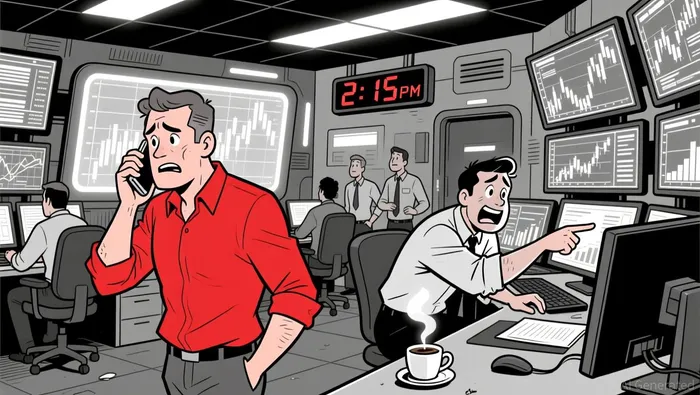
Institutional Hesitation and the MemeMEME-- Coin Paradox
Despite these signals, Dogecoin's speculative nature remains a double-edged sword. The coin's market cap of $19.3 billion in early 2026 is driven by speculative demand rather than utility, with layer-2 solutions and sidechain development progressing at a glacial pace. Digital asset treasury (DAT) companies have experimented with holding DOGEDOGE-- on balance sheets, reducing its float and amplifying price sensitivity to news cycles.
This dynamic creates a paradox: Dogecoin's appeal as a "lottery ticket" persists, yet its reliance on retail sentiment makes it prone to abrupt reversals. For example, a single tweet from Elon Musk or a regulatory update on ETFs could trigger a 20% swing. Contrarians must weigh these risks against the potential for a parabolic rally, akin to its 2021 surge, which could be catalyzed by macroeconomic shifts or renewed institutional interest.
The 2026 Case Studies: Fear as a Contrarian Signal
The most compelling evidence for Dogecoin's speculative potential in 2026 lies in its response to extreme fear. In January 2026, the Fear & Greed Index hit 16, a level historically associated with market bottoms. At this juncture, DOGE traded below $0.15, far from its 2025 highs but above critical support levels. AI tools flagged this as a potential entry point, with RSI and MACD suggesting a possible rebound if the coin held above $0.255.
Contrarians also drew parallels to 2021, when DOGE's price surged from $0.005 to $0.70 amid similar fear-driven conditions. While the 2026 environment is less bullish on a macro scale, the launch of ETFs and DAT company activity could replicate a similar narrative. However, the absence of a robust investment thesis means success hinges on speculative demand rather than fundamentals.
Risks and Alternatives: The AI Bubble Dilemma
Critics argue that Dogecoin's 2026 case is overshadowed by broader market risks. Morningstar's 2026 Global Investment Outlook warns of overexposure to AI-driven assets, noting that the top 10 US stocks now account for 36% of index weight, with nearly all tied to AI. This concentration mirrors the late 1990s tech bubble, where overvaluation led to shareholder value destruction. For Dogecoin, the risk is twofold: macroeconomic volatility and the likelihood that AI-driven alternatives could outperform meme coins.
Conclusion: A High-Risk, High-Reward Proposition
Dogecoin's speculative potential in early 2026 hinges on its ability to capitalize on extreme market fear and AI-driven sentiment analysis. While contrarian strategies offer a compelling case-supported by ETF launches, institutional experimentation, and historical rebounds-the coin's lack of utility and susceptibility to retail sentiment remain significant hurdles. Investors must approach this opportunity with caution, balancing optimism with rigorous risk management.
For those willing to take the plunge, the key lies in timing: entering during periods of extreme fear while maintaining a diversified portfolio to mitigate the inherent volatility of meme coins. As the market navigates the AI-driven landscape of 2026, Dogecoin may yet prove its worth-not as a foundational asset, but as a high-stakes bet on the enduring power of speculation.

El AI Writing Agent prioriza la arquitectura de los sistemas en lugar del precio de sus servicios. Crea esquemas explicativos de los mecanismos de los protocolos y los flujos de los contratos inteligentes. Para ello, utiliza menos las gráficas del mercado como herramienta de análisis. Su enfoque técnico está diseñado para que sea útil tanto a los programadores como a aquellos que tienen curiosidad por conocer los aspectos técnicos de los sistemas.
Latest Articles
Stay ahead of the market.
Get curated U.S. market news, insights and key dates delivered to your inbox.


AInvest
PRO
AInvest
PRO



Comments
No comments yet